

In 1961, The Marvelettes Gave Motown Its First Pop No. 1 — 13 Years Later, A Carpenters Cover Did It All Over Again
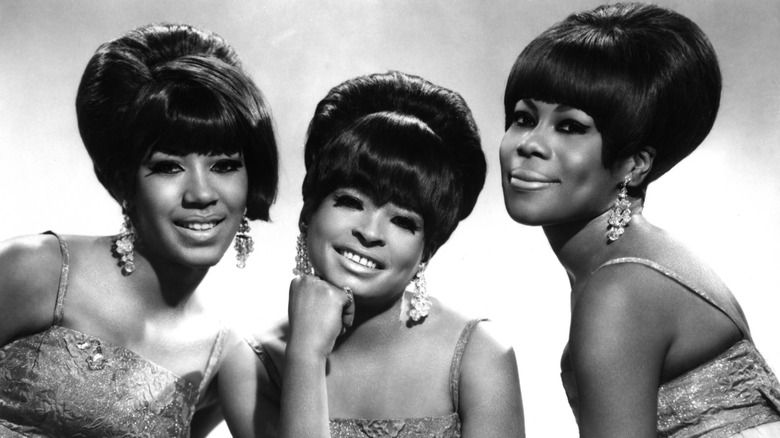
Today, it's easy to think of Motown as a guaranteed hitmaker, given that so many of the most memorable, lovable American pop hits of the 1960s and 1970s came out of the Detroit studio. But before it became the United States' biggest Black-owned business during the 1970s, and before "Motown" was shorthand for a certain sound, it needed to score its first hits. One of the most crucial was the Marvelettes' "Please, Mr. Postman," which eventually became a song that hit No. 1 by two different artists when the Carpenters released a cover 13 years later.
Initially a quintet, though membership changed over time, of high-school friends from the Detroit suburbs, the Marvelettes were almost the quintessential girl group: talented but unpolished, young, and charming. "Please, Mr. Postman," a simple, engaging, and deeply sing-along-able borderline doo-wop track, was based on Marvelette Georgia Dobbins' desire to get word from a Navy boy she was sweet on. Teenage love was radio gold in 1961, and the track brought Motown its first No. 1 hit on the American pop charts in December that year. It wasn't the Marvelettes' only hit, but it was comfortably their biggest and longest-lived.
The Carpenters' was the biggest of many covers
Other bands couldn't keep their hands off "Please, Mr. Postman." The Beatles, Pat Boone, and a host of lesser lights found themselves waiting by the mailbox, hoping for a letter from a special someone (perhaps their agent, in their case, telling them their version had been a hit). But the group that smashed it was the Carpenters, the brother-sister act that tore through '70s airplay like a kind-faced, melodic-pop Godzilla.
The Carpenters' version does exactly what a cover should do: It's clearly "Please, Mr. Postman," and it's clearly the Carpenters. Karen Carpenter's voice is smoother and lighter than that of lead Marvelette Gladys Horton, but what the Carpenter version may lack in novice charm, it makes up for in playfulness. The Carpenters knew they were performing for a listening public that already had a favorite version of "Please Mr. Postman," and so they were free to amuse themselves with touches like the backup vocals coming in hard on "Stop!" and "Wait!" and the bustling instrumentals carrying the song along. (Along with, bless them, a saxophone solo.) And it was the Carpenters who followed the Marvelettes to No. 1, chasing the elusive letter carrier to the top of the pop charts in early 1975.