

Sentimental '60s Songs That Instantly Take Boomers Back To Childhood
Plenty of baby boomers would probably love to revisit childhood, and there are few better ways than by turning to the music of the 1960s, an era most associated with monumental change and dazzling leaps forward in pop culture. But while the decade did give the world the British Invasion, Motown-style R&B, and psychedelic rock, the sentimental styles of yesteryear didn't quite die out.
Prior to the tumultuous '60s, popular music in the United States was categorically pleasant. After all, nice and gentle songs resonated with listeners, who could see their own experiences or wishes reflected back to them. Some of that music may seem corny from a 21st-century lens, but it's music that entertained millions and made them feel good. And as the more abrasive and objectively more exciting styles of the '60s took off, there remained an audience for such material, as well as plenty of acts from both the old and the new school happy to provide it.
Quite a few of the biggest hits of the decade felt like they came from another time, when songwriters and performers unabashedly proclaimed their emotions in songs that still sound warm and fuzzy, capable of making those who were around in the '60s feel a lump in their throat or heart. Whether they were the theme tune to a beloved childrens TV show or a cheerful radio hit played in childhood homes, these are some of the most engrossing and sheerly sentimental songs of the 1960s that are almost certain to transport a boomer back to when they were kids.
Theme from A Summer Place
As the first wave of rock music captivated boomers in the late 1950s and early 1960s, a completely instrumental and orchestral track became one of the biggest hit singles of all time: "Theme from 'A Summer Place,'" Billboard's No. 1 song of 1960 that spent nine weeks atop the pop chart. The romantic, violin-led track was composed for "A Summer Place," a 1959 relationship drama that wasn't particularly popular with audiences. But "Theme from 'A Summer Place'" sure was.
It captured a feeling that maybe 'A Summer Place' failed to: the giddiness and all-encompassing sensations that come with first love. Boomers old enough to have been in one of their earliest romantic relationships felt the emotional wallop conveyed by composer Max Steiner, bandleader Percy Faith, and an army of studio musicians. The song is epic, with soaring highs and quiet moments, alternating lilting bits with grandeur and pomp. "Theme from 'A Summer Place,'" even divorced from the mostly forgotten movie that spawned it, feels like young love, and that's why it's still going to send boomers into a pleasant mental place over 65 years later.
Stranger on the Shore
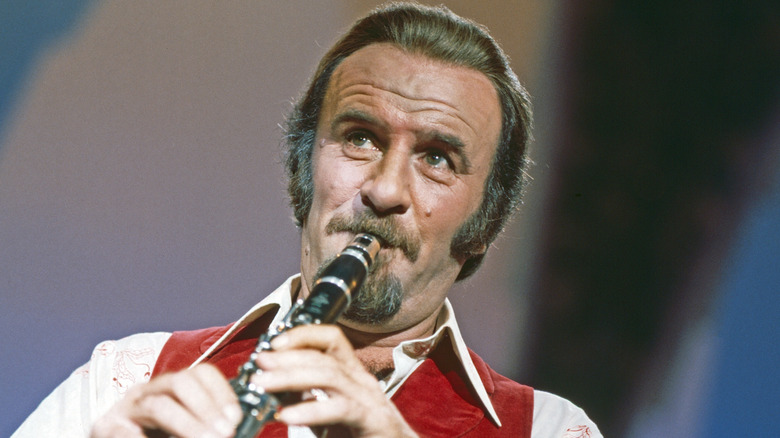
The very first U.K. musician to top the U.S. pop charts wasn't a British Invasion act: It was clarinet player Mr. Acker Bilk, and with an instrumental, too. Bilk's sleepy ballad and throwback soft jazz piece, "Stranger on the Shore," was always inherantly sentimental, having been written as a tribute to one of his daughters. Originally called "Jenny," the song's clear and expressive clarinet tone provides a wistful, melancholic, and bittersweet vibe. When the BBC selected "Jenny" to be used as the theme song for a kids' show called "Stranger on the Shore," the song was renamed thusly, and many now-grown-up British kids would go on to associate the song with pleasant memories of watching TV in the early '60s.
"Stranger on the Shore" hit No. 1 in the U.S. in May 1962, and so effectively swelled the hearts of Americans that Billboard named it the biggest song of the entire year. And that's all from a lyric-free, lightly jazzy song that seemed to appeal more to older adults' early 20th-century tastes than it did to the record-buying kids of the 1960s. Boomers were in their teenage years or younger when "Stranger on the Shore" first hit, so this song is likely to conjure nostalgia for their youthful days when they heard their parents or grandparents playing it. It's so instantly evocative of the long ago that it's been used for that purpose on dozens of movies and TV shows since the 1960s.
California Dreamin'
Sentimentality can present in many forms, including idealizing. That's what's going on in "California Dreamin'," a Top 5 hit in 1966 for the four-part vocal group the Mamas and the Papas, a collective with a tragic history. Riding the line between the '60s folk rock movement and the burgeoning hippie counterculture, the Mamas and the Papas used rich harmonies to propel poetic, emotionally driven lyrics such as those in "California Dreamin'." It's a song about a person in crisis, stuck in a rut on many levels, who believes that life would be a whole lot better in a romanticized warm and sunny California.
The yearning, hopeful, and a little bit maudlin melody of "California Dreamin'" is provided by acoustic guitar, woodwinds, and propulsive drumming that all feel distant and out of reach — as far away as California on a rainy East Coast day, even. "California Dreamin'" is all about wishing for improvement and fantasizing about the proverbial grass being greener on the other side. Such patterns are a kind of heavily sentimental and urgent nostalgia, and now, about 60 years later, the song takes on another layer of hope and pining for boomers, specifically for their youthful days of the 1960s, when "California Dreamin'" was all over the radio.
Puff, the Magic Dragon
Boomers may hold "Puff, the Magic Dragon" more dearly than many other songs of the 1960s because it was written just for them. After all, it's a song for children, and the youngest members of the generation were very young when it was released in 1963 and quickly became a hit. Peter Yarrow of blockbuster folk trio Peter, Paul and Mary adapted a poem by Leonard Lipton to craft a family-friendly story song about a friendly mythical creature. Hailing from the magical realm of Honalee, Puff and a little boy named Jackie Paper become the best of friends until the latter ages out of the need for an imaginary friend.
When they were children, boomers could enjoy the song on its surface level, as a tale about a special friendship with touches of the supernatural and the power of imagination. Now on the other side of childhood, boomers may acutely feel the painful themes of the song — particularly the end of childhood and its creative, idealistic spirit.
When I'm Sixty-Four
Long before he was in the Beatles, Paul McCartney's life story included many songwriting attempts. The Beatles' 1967 album "Sgt. Pepper's Lonely Hearts Club Band" included "When I'm Sixty-Four," based on a melody that McCartney had pretty much completed when he was about 16 years old. Forward-facing nostalgia but nonetheless heavily sentimental, the piece is about nearing retirement age and the anxieties that may come along with that milestone passage of time.
"When I'm Sixty-Four" takes on a different dimension today: it's a song about being old, yet it reminds boomer listeners of being young when they first heard it performed by a band that led the youthful charge of '60s music. Furthermore, McCartney purposely wrote the song to sound like a music hall selection, the kind of thing his parents or grandparents may have enjoyed when they, too, were young. Already oozing with layers of nostalgia, the sense of lost time and lost youth is palpable in "When I'm Sixty-Four," both in the text and the subtext. Boomers may feel heard and seen with the lyrics about graying hair and grandchildren, while simultaneously remembering their carefree '60s Beatlemaniac days.