

Music Icons Whose Debut Album Flopped Hard
We may receive a commission on purchases made from links.
For many acts that have gone on to rock stardom, a debut album is akin to a musical mission statement — a demonstration of talent that sets the tone for what's to come. These can sometimes be massively successful; artists ranging from Led Zeppelin to Hootie and the Blowfish have skyrocketed to success based on that first LP. On the other end of the spectrum are artists who became big despite releasing debuts that utterly tanked and are now considered quirky oddities in the otherwise stellar careers of the stars who released them.
Coming back from a terrible first album is no mean feat. For those artist who struck out after that first crucial time at bat and receive a rare second chance, it requires steely determination and an uncompromising vision to right what went wrong the first time around.
Those who've found redemption after disappointing debuts include some of the music industry's most popular artists. Read on for a rundown of music icons whose debut album flopped hard.
Alice Cooper - Pretties for You (1969)
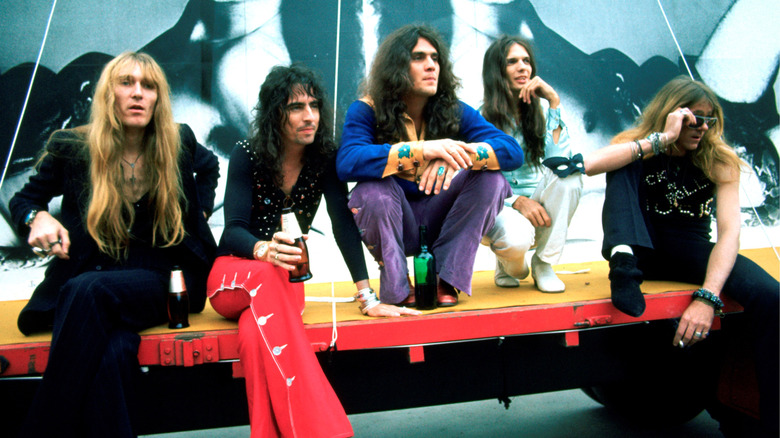
The Alice Cooper Band left its native Arizona and headed to Los Angeles during 1967's now-iconic "Summer of Love." In LA, the band's bizarre onstage theatrics didn't exactly jibe with the era's peace-and-love vibe — but did catch the attention of Frank Zappa, who signed the group to his label, Straight Records. "Frank Zappa liked us because he would say, 'You've got five songs here that are two minutes long, and there's 38 changes in each one of them!'" frontman Alice Cooper (then known as Vince Furnier) told The Guardian. "The great compliment was, he would go, 'I don't get it — that's great, that's why I'm signing you.'"
The band's debut album, "Pretties for You," was released in 1969. Co-produced by Zappa, the album is a disjointed, chaotic collection of psychedelic hippie weirdness, boasting off-kilter time changes and weird sound effects. The album was rejected by listeners while confounding critics; reviewing the album for Rolling Stone, legendary rock writer Lester Bangs found it to be "totally dispensable."
It wasn't until the band's third album, 1971's "Love It to Death," that Alice Cooper broke out and its signature hard-rock style emerged, with the single "Eighteen" cracking the Top 40. After the band broke up in 1975, the crazy real-life story of Alice Cooper continued when Furnier carried on as a solo act, legally changing his name to Alice Cooper.
Genesis - From Genesis to Revelation (1969)
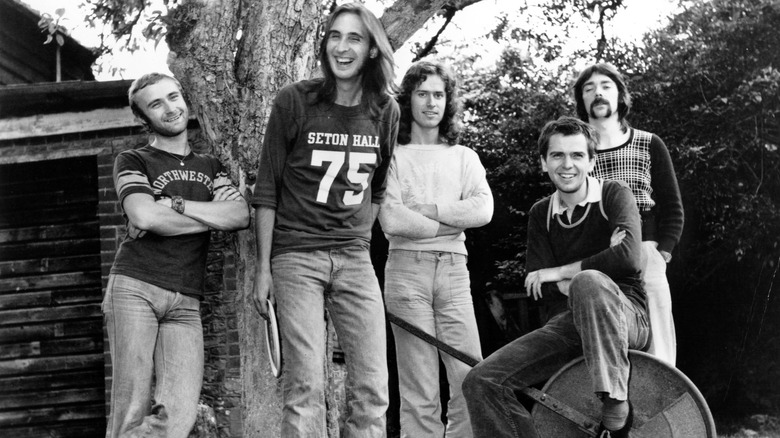
A group of students attending Britain's elite Charterhouse School formed Genesis, the result of two teenage bands — Anon and the Garden Wall — merging. Impressed by their demo, Decca Records signed the group and got them into the studio to record their 1969 debut, "From Genesis to Revelation."
While the band later blazed a trail as progressive rock pioneers, "From Genesis to Revelation" is rooted in pop, with a heavy Bee Gees influence. "I was trying to imitate Robin Gibb," original frontman Peter Gabriel recalled in the book "Genesis: Chapter and Verse."
The songs are rife with biblical imagery; the Garden of Eden-inspired track "The Serpent," for example, contains such lyrics as "Creator prepares for the dawn of man." That was partly why the album sold a measly 650 copies, with confused staffers in record stores stocking it in the section earmarked for religious music. Subsequent albums established the band's prog-rock sound, culminating in the 1974 concept album "The Lamb Lies Down on Broadway." After that, Gabriel left Genesis to embark on a successful solo career, while drummer Phil Collins took over lead vocals — and, by pushing the band in a more pop-friendly direction, delivered a string of top-10 hits during the 1980s.
Van Morrison - Blowin' Your Mind! (1967)
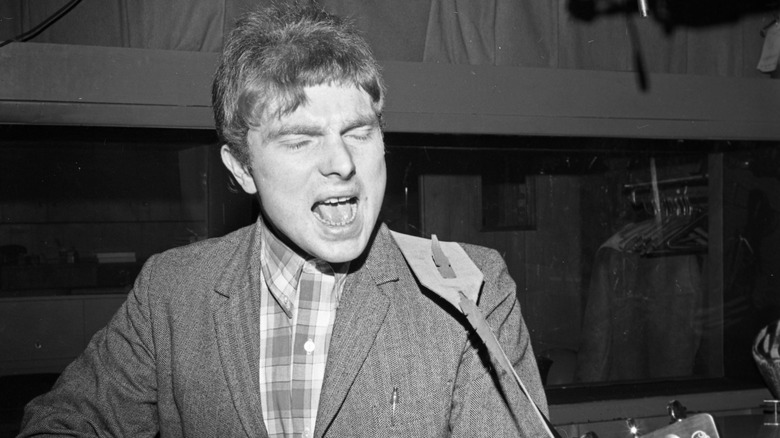
Belfast band Them had racked up a few hit singles prior to frontman Van Morrison's 1966 departure. Producer Bert Berns, who'd written Them hit "Here Comes the Night," had enlisted Morrison to record a single for his label, Bang Records: 1967's "Brown-Eyed Girl." When that song became a hit, Morrison recorded more songs, intending to release them as follow-up singles.
Instead, Bern released everything as an album titled "Blowin' Your Mind!" with zero input from Morrison — who didn't even learn the album had come out until a friend told him he'd seen it at a record store. Plus, its centerpiece was the harrowing 10-minute "T.B. Sheets," and it's fair to say that a song chronicling death by tuberculosis didn't exactly strike the flower-power zeitgeist of 1967. "I wasn't really happy with it," Morrison said, via Johnny Rogan's book "No Surrender."
To be released from his Bang contract, Morrison recorded more than 30 additional songs — but was stubbornly determined to produce nothing of any commercial value, simply recording whatever popped into his head while strumming a barely tuned guitar. The result: songs about suffering from ringworm, offering someone a danish, and complaining that his royalty check had yet to arrive in the mail. The track "Blow in Your Nose" is Morrison's middle finger to Bern, re-enacting a phone call informing him about the release of his debut album. "It's got a psychedelic jacket / And it's called Blowin' Your Nose," Morrison mumbles. "It's groovy."
Elton John - Empty Sky (1969)
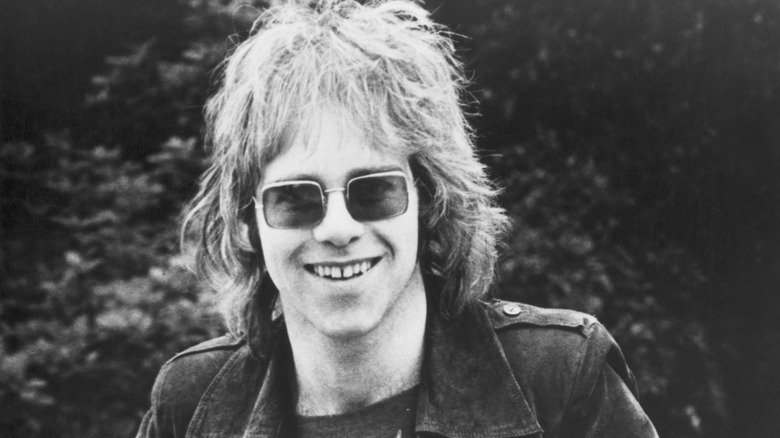
Aspiring songwriter and session pianist Reg Dwight met lyricist Bernie Taupin when they were teamed up after both responded to a record company's add seeking new talent. That led to one of the most fruitful and successful partnerships in music history, although that wasn't necessarily clear when Dwight, renaming himself Elton John, released his debut album in 1969. Initially released only in the U.K., the "Empty Sky" album is full of promise — but not full of hits. (It wasn't released in the U.S. until 1975, after he'd become a superstar.)
The best song on the album is undeniably "Skyline Pigeon," which represented a turning point for John and Taupin by defining a sound rather than mimicking what was in vogue at the time. "I think the song that Elton and I always go back to is 'Skyline Pigeon,'" Taupin told Rolling Stone. "Bear in mind, this is before Elton was a performing artist, before we even realized that he was going to become the artist that was going to perform our songs ... we literally found our voice."
While "Empty Sky" pales in comparison to what came after, it set the table for the following year, when John released the self-titled "Elton John" album and then "Tumbleweed Connection." He later rerecorded "Skyline Pigeon" as the B-side for his 1973 single "Daniel." Decades later, he remained enamored of his first album's title track. "I love it to death," he told Rolling Stone in 2013.
Lou Reed - Lou Reed (1972)
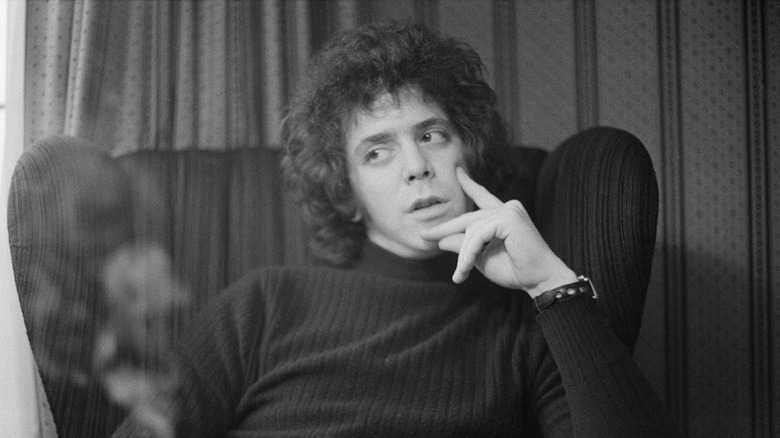
The Velvet Underground now holds legend status, but it never saw commercial success during its initial run. The band's debut album sold less than 60,000 copies, and when frontman Lou Reed left in 1970, he'd become so disillusioned by the music business that he quit entirely, working as a typist for his father's company. "I'd had it," Reed told Rolling Stone. "So I was a typist for two years."
Yet he continued writing and returned to the studio to produce his self-titled 1972 debut album. Recorded in London, "Lou Reed" featured an incongruous collection of studio musicians that included Rick Wakeman and Steve Howe of Yes. In addition to some new songs, such as the brooding "Berlin" and "Ocean," Reed rerecorded a few Velvet Underground tunes ("Walk and Talk It," "I Can't Stand It," and "Lisa Says") that didn't match up to the originals. Aimless and overproduced, the album is mired in mediocrity, although the proggy "Ocean" would likely find favor with Yes fans. The album managed to land in the top 200 but just barely, peaking at No. 189.
Later that same year, Reed made a stunning return to form when he partnered with producer David Bowie for his second solo album, "Transformer." That album has continued to loom large in the untold truth of Lou Reed, still among the most popular LPs in his canon.
Warren Zevon - Wanted Dead or Alive (1969)
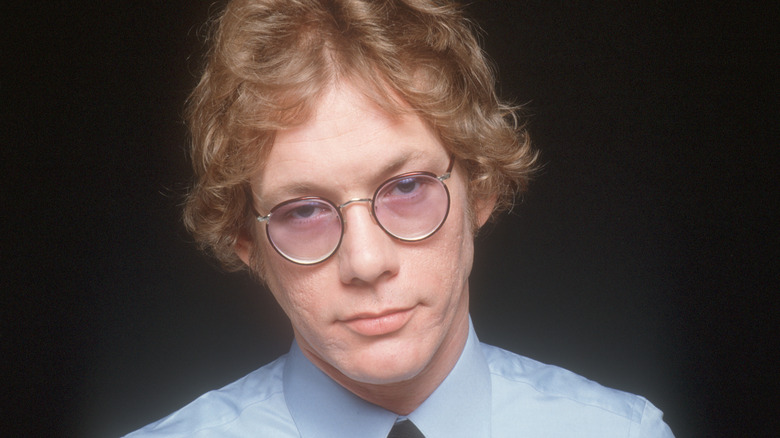
Warren Zevon had been a songwriter (his composition "Outside Chance" was recorded by the Turtles) and half of a folk duo when he was discovered by music impresario Kim Fowley. Fowley began producing Zevon's debut album, "Dead or Alive," but exited the project after the two men clashed. "While we were making the record, I had a sudden attack of taste and told Kim that I wanted to finish the album myself," said Zevon, via "I'll Sleep When I'm Dead: The Dirty Life and Times of Warren Zevon."
"Warren's songs were very good — very memorable," recalled his friend and fellow singer-songwriter Jackson Browne, "but I don't remember thinking [the album] was as good as he really was." Released with little fanfare, the album tanked. "'Wanted Dead or Alive' was released to the sound of one hand clapping," Zevon ruefully recalled. Figuring he'd blown his shot, Zevon took a job as musical director for the Everly Brothers, tried his hand at writing commercial jingles, and even pursued a record deal in Spain.
Eventually, Browne helped Zevon land a deal with Asylum Records. When he returned to the studio for his 1976 follow-up, "Warren Zevon," Zevon had a wealth of songs in his pocket. His third album, 1978's "Excitable Boy," yielded the hit single "Werewolves of London."
John Mellencamp (as Johnny Cougar) - Chestnut Street Incident (1976)
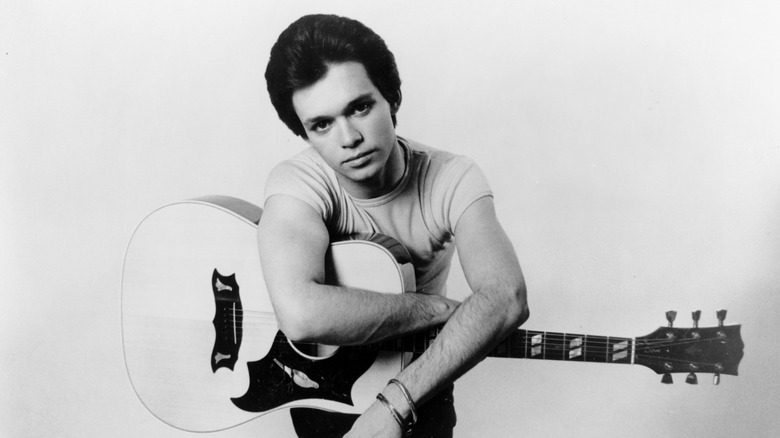
When examining the untold truth of John Mellencamp, one must go back to his 1976 debut album, "Chestnut Street Incident" — credited not to Mellencamp but to Johnny Cougar, the name he was saddled with by MainMan Management head Tony Defries. Defries, who'd once managed David Bowie, was impressed by the Indiana rocker's demo but insisted nobody would buy a record by some guy named Mellencamp. Mellencamp thought the "Johnny Cougar" moniker was ridiculous, but he was desperate, and who was he to disagree with the guy who'd made Bowie a star? "I would have signed anything — I would have signed the bottom of a shoe," Mellencamp told Rolling Stone in 2013.
He should have trusted his instincts. "I started out as Johnny Cougar and there was nobody in the world, in 1976, gonna take that seriously," Mellencamp mused in an interview with the London Sun. Mellencamp was not wrong, and the album — a lame collection of bar-band cover songs and a few unmemorable originals — was dead on arrival, selling less than 12,000 copies. Eventually, he ditched the name, morphing to John Cougar, then John Cougar Mellencamp, and then finally dropping the "Cougar" altogether.
Mellencamp's resentment toward Defries eventually lessened. "Now that I'm an older gentleman, I kind of appreciate it," he told Indianapolis Monthly, "because without that noose around my neck, I don't know that I would have tried so hard."
Billy Joel - Cold Spring Harbor (1971)
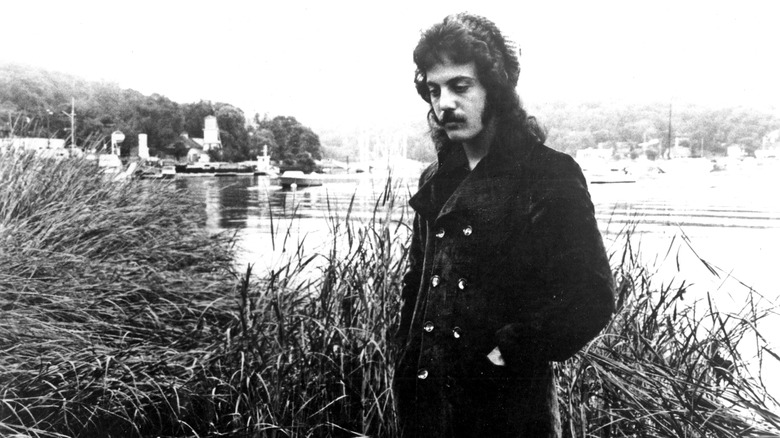
Prior to striking out as a solo artist, Billy Joel was in a heavy-metal band dubbed Attila. It broke up after putting out one flop album, which Joel (per Allmusic) described as "psychedelic bulls***." Desperate for a second chance, Joel gave away the rights to all his publishing when he signed a solo deal with Artie Ripp, which led to recording his first album, 1971's "Cold Spring Harbor," with Ripp as producer.
The songs Joel recorded for "Cold Spring Harbor" hinted at his songwriting prowess, with two tracks ("She's Got a Way" and "Everybody Loves You Now") clearly standouts. However, a technical glitch when transferring the master tape to the acetate sped up the recording. "The album was mastered fast," Joel explained during a Q&A at Hobart & William Smith Colleges (via YouTube), joking that he sounded "like the Bee Gees ... like Alvin and the Chipmunks."
The album failed to chart, and Joel retreated to Los Angeles to figure out what to do next, making ends meet by playing requests at piano bars. Unbeknownst to Joel, a live recording of a new song, "Captain Jack," began receiving radio play in Philadelphia, which led to a new record deal and a second album. That album, "Piano Man," became a breakout hit, while the title track — written about his experience playing piano in LA bars — became his signature song.
Tori Amos - Y Kant Tori Read (1988)
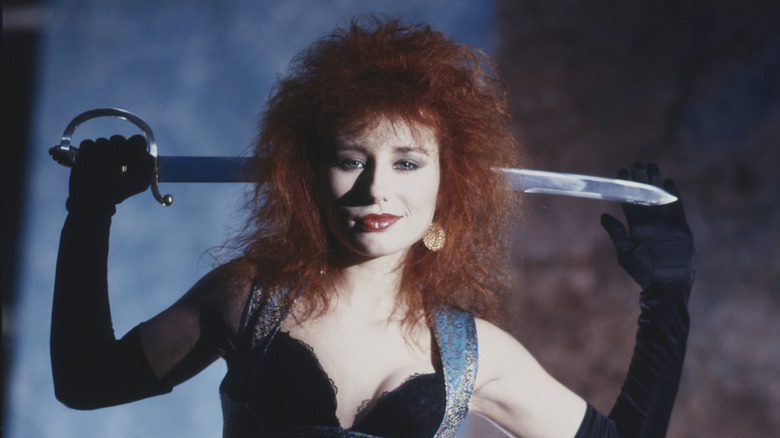
A child prodigy, Tori Amos began playing piano at age 2 and was just 5 when she won a scholarship to the Peabody Institute, making her the youngest person to ever attend the prestigious music conservatory. In her early 20s, she founded a synth-pop group called Y Kant Tori Read, and their self-titled debut was released in 1988. The album proved to be a critical and commercial disaster. Both the album and its cover — depicting her as a pirate brandishing a sword, her hairsprayed coif teased sky-high — quickly became a music-business laughingstock that derailed her career.
Speaking with Innverviews, Amos claimed sole responsibility for the fiasco. "That album cover, the fact that I didn't stand up for the band or the songs ... I allowed it to happen," she said. The album's abject failure led Amos to do some major soul-searching. "After the failure of Y Kant Tori Read, I had to get through the shame and the blame and the embarrassment, just being disgusted with myself for betraying the dream I had, and asking myself, How do you go from prodigy to bimbo?" she told The New Yorker.
That ultimately led her to ditch the synthesizer and return to piano when she re-emerged four years later with her first actual solo album, 1992's "Little Earthquakes," a critical and commercial success. "It took me four years to really write about my betrayal of my instrument," she said.
Jimmy Buffett - Down to Earth (1970)
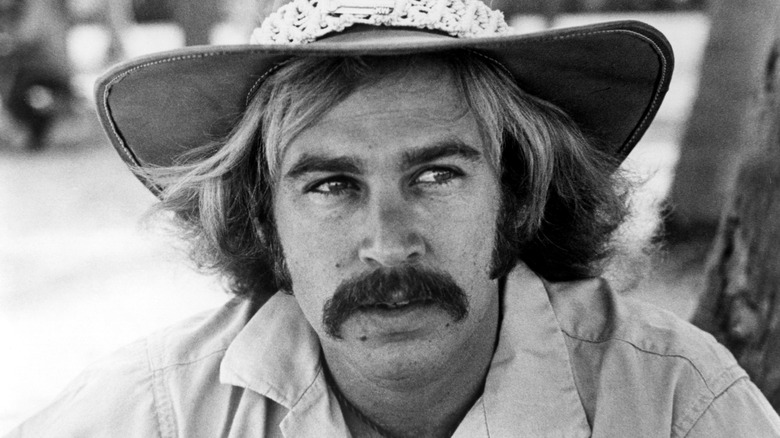
Before skyrocketing to fame for wastin' away in Margaritaville, Jimmy Buffett launched his career with 1970's "Down to Earth." A somewhat maudlin country-folk album, "Down to Earth" was hardly an auspicious debut, selling just 374 copies. Buffett, however, was unperturbed; the album was recorded for a small label, Barnaby Records, and the $500 he was paid was enough to buy a new guitar.
Buffett's style at that point was a world away from the sun-drenched, Caribbean-inspired sounds to come. "This was still the time of flower power and hippie children, so most of Jimmy's songs had that flavor," Travis Turk, a Nashville recording engineer who'd helped Buffett record numerous demos in 1969, told Rolling Stone. "He was influenced a lot by Gordon Lightfoot ... he fashioned a lot of his playing and singing after that."
It wouldn't be until his 1973 album "A White Sport Coat and a Pink Crustacean" that Buffett would begin to home in on his signature sound, while also infusing his sense of humor into his songwriting. And, as any true Parrothead knows, it was with 1977's "Changes in Latitudes, Changes in Attitudes" that Buffett really broke through.
Jefferson Airplane - Jefferson Airplane Takes Off (1966)
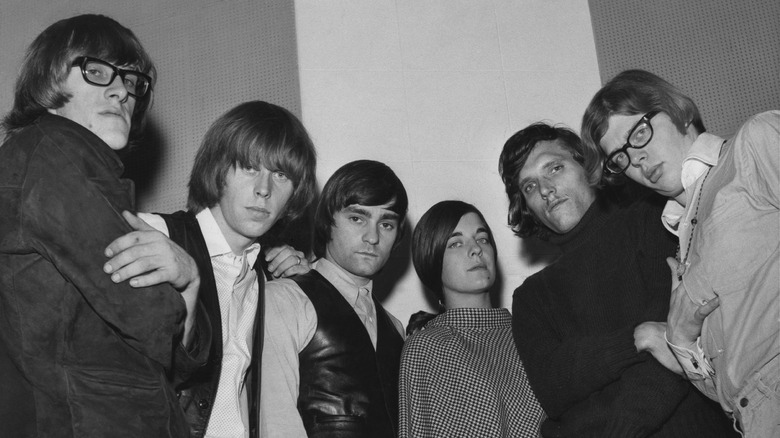
During the mid-1960s, record labels scrambled to sign acts from the hotter-than-hot psychedelia-fueled San Francisco music scene that launched the likes of Janis Joplin, the Grateful Dead, and Jefferson Airplane. When the latter's debut album, "Jefferson Airplane Takes Off," was released in 1966, the band was still in its infancy. "The band got together in August of 1965, and we had a record deal with a major label in our city before the year was out. How many people does that happen to?" recalled guitarist Jorma Kaukonen in an interview with People.
The album was essentially a studio-recorded version of the set they were playing at the time in local clubs. Along with a few blues standards, "Takes Off" also contained a few originals written and sung by frontman Marty Balin. Ultimately, the album sold few copies beyond the Bay Area.
A lineup adjustment changed everything when Grace Slick joined, bringing with her some songs she'd written for her previous band, the Great Society: "White Rabbit" and "Somebody to Love." Those songs, buoyed by Slick's distinctive voice, became rock classics, with the album charting at No. 3. "When we got Grace in the band, everything really changed," added Kaukonen. "For me, it was all uncharted territory, and it was a quantum leap, really, from 'Jefferson Airplane Takes Off' to [1967's] 'Surrealistic Pillow.'"
David Bowie - David Bowie (1967)
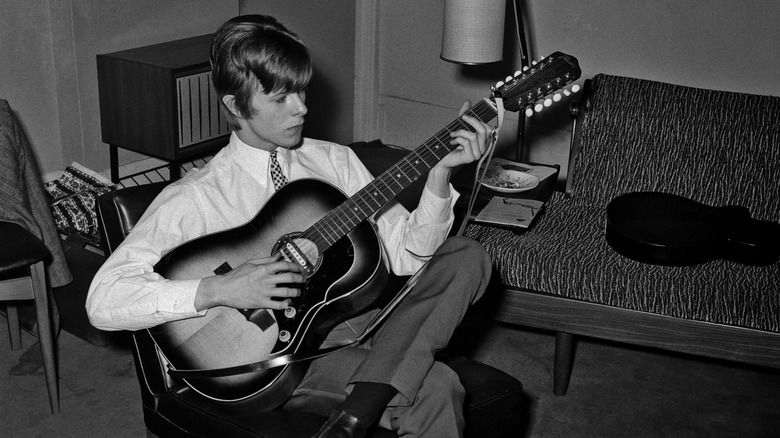
David Jones had been kicking around the London music scene for years, but with little success. After a surname change (to avoid confusion with Davy Jones of the Monkees), he emerged as David Bowie and recorded his self-titled 1967 debut for the Deram label. The album found him essentially imitating crooner Anthony Newley in such weird tracks as "Sell Me a Coat" and "Please Mr. Gravedigger."
"Aarrggh, that Tony Newley stuff," Bowie reflected in the book "In the City: A Celebration of London Music." "How cringey. No, I haven't got much to say about that in its favor ... Musically it's quite bizarre. I don't know where I was at. It seemed to have its roots all over the place, in rock and vaudeville and music hall and I don't know what."
Meanwhile, the album had the misfortune of being released on the same day as the Beatles' "Sgt Pepper's Lonely Hearts Club Band" and quickly disappeared, peaking at No. 125 on the U.K. charts. Bowie retreated, going off to perform with a mime troupe before re-emerging in 1969 with the single "Space Oddity." When the song became a surprise hit, Bowie began the creative journey that would lead to rock stardom with 1972's "The Rise and Fall of Ziggy Stardust and the Spiders from Mars."