

5 Classic Record-Collecting Mistakes Every Beginner Makes
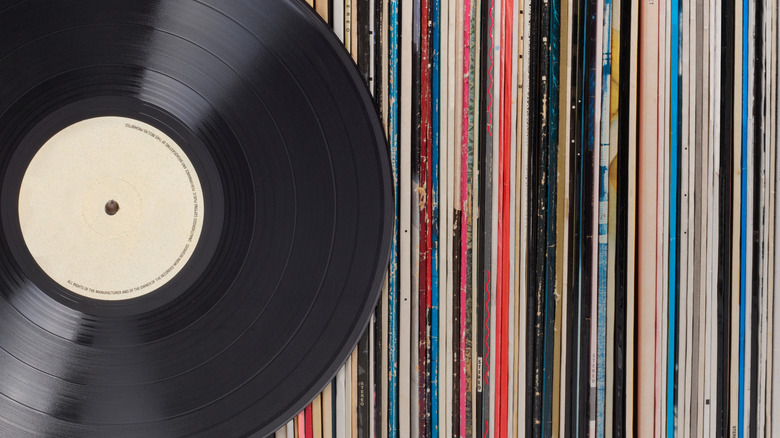
There was a time when a lot of people just weren't interested in buying vinyl records, probably thinking they needed to be left in the past. But there's been a huge vinyl resurgence lately, with sales of vinyl records growing over the last 19 years globally and hitting $1 billion in 2025, per the Recording Industry Association of America. Many are now starting to buy records for the first time, so we've listed the top mistakes that beginners make when building their vinyl collection.
We chose these tips because they're easy to follow and can be implemented right away. The hard part, if there is one, is sticking to our suggestions consistently without cutting corners. That's because these recommendations won't just keep you from destroying your favorite albums; they'll also help your wallet, keep you from buying records that you might not play, and assist you in staying away from those releases that have horrible sound quality.
Not being familiar with grading systems
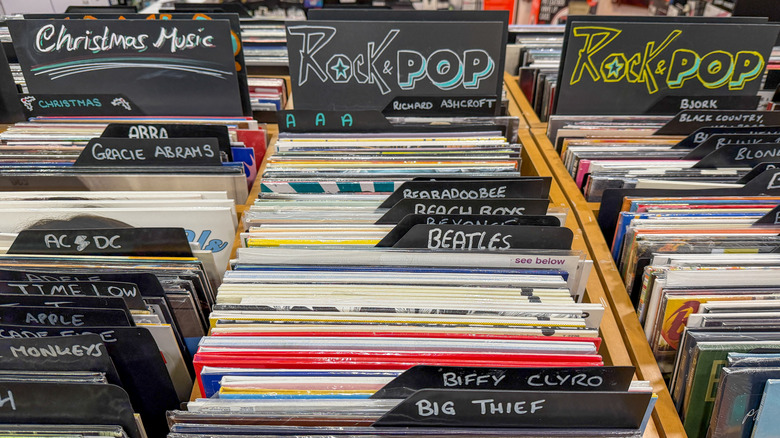
When people start assembling their vinyl collection, the first records they'll probably buy are their favorite albums; buying never-before-heard records to discover new music will likely come later. Out of sheer excitement, a vinyl newbie may grab the first used record they see that's on their list without checking out its condition. Sure, some may do a quick glance to see if there are any obvious scratches, but the best way to know if a record is worth your hard-earned dollars is to become familiar with one of the vinyl grading systems.
The Goldmine Standard, created by Goldmine Magazine in the mid-'70s, is the most popular grading system used by those who buy, sell, and collect vinyl. The grade is solely based on a record's physical appearance, not sound, and grades go from Mint (M) for a record in flawless condition, to Poor (P) or Fair (F) when a record is tattered due to scratches, chips, or another type of damage. There are also two grades for records: one for the vinyl, and another for the sleeve.
You'll see the grade in different places, depending on how you're buying your vinyl. On Discogs, for example, the grade can be seen under the title and category number, and on eBay, it's beneath the title. In brick-and-mortars, some records will have the grade placed on the price tag or sticker. If not, it's a good idea to ask a staff person.
Not storing records properly
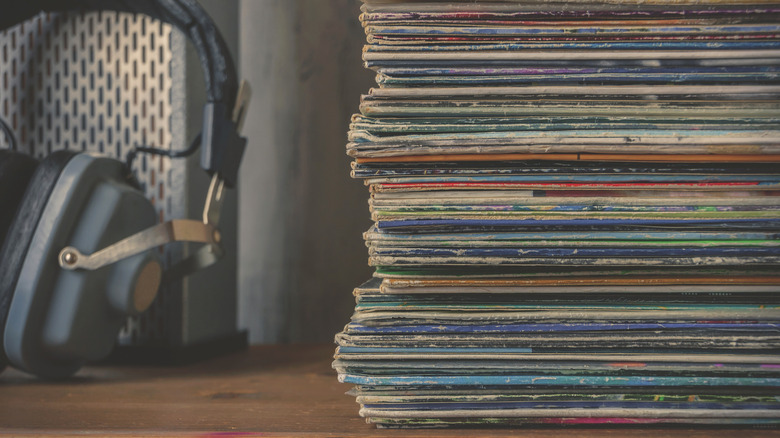
Once you start building your collection, you'll have to find the right place to store your vinyl. One mistake a lot of beginners make is stacking their records one on top of the other like pancakes. That can easily warp a record that sits in the middle or bottom of the stack. Piling your records can also leave a circular scuff mark on the jacket and affect the temperature of the vinyl, which can also cause deformity.
The best thing to do is store your records vertically, side by side, which allows for easier reading of the titles since the spine will be facing you. It's also important to keep your vinyl clean, so purchasing a record brush and one of the many record cleaning solutions on the market will be a smart investment.
Once your records are placed vertically, make sure not to jam too many of them together since that can cause them to warp as well. That means getting the proper case for storage is crucial instead of using something makeshift. You also want to keep sunlight from beaming down on your records from a window, as that too can damage them, and so can humidity. Storing your records in a place that's cool and dry will help your vinyl last a lifetime.
Not establishing a budget
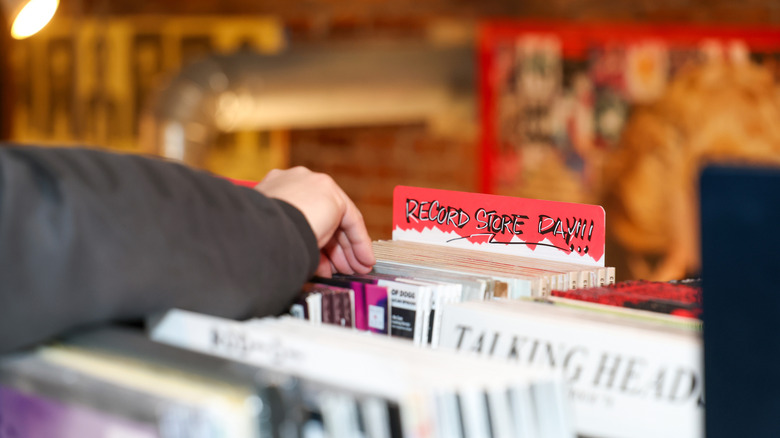
You've probably heard the saying that your eyes shouldn't be bigger than your stomach, meaning that you shouldn't pile more on your plate than you can handle just because the food looks tasty. The same reasoning applies to buying vinyl records, because you can be easily seduced by an album you've been wanting to buy without factoring in how much disposable income you have. Sure, sometimes you could buy used vinyl for just a few dollars, but the cost of new records, as well as newly dropped re-releases and rare classics, can be hefty.
One thing to do, according to the founder of the YouTube channel Devoted to Vinyl, who just goes by "Michael," is to prioritize the albums you really want instead of purchasing the ones that aren't that important to you. "The price really does start adding up when you're buying brand new vinyl records, records that can be anywhere from $20 to $30 to $40 or $50, and then of course there are people that love vinyl record clubs, love vinyl record subscriptions and those prices continue to rise and rise and rise," cautioned Michael. He recommends being selective about your purchases and putting your vinyl budget toward your favorite records while buying "lower-echelon albums" in less-expensive formats.
Buying records just because they're inexpensive
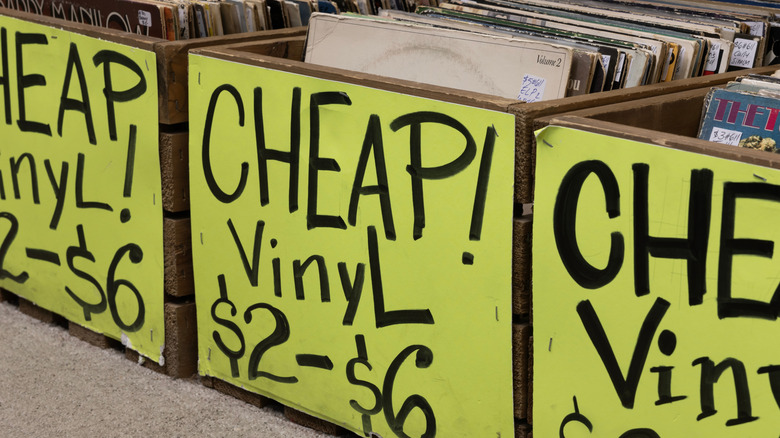
Now that you've got your budget in place, you may want to look for those bargain records that are priced extremely low. However, that isn't always a solid gameplan, as they may be priced low because of poor sound quality or other reasons. Not every cheap release that you see in a thrift store or in the $3 used record bin at your local vinyl shop is worth taking home with you.
In fact, a lot of serious vinyl collectors say that having a smaller collection of quality records is better than having a massive collection of cheap, poor-quality ones that'll just sit around. You may only have a certain amount of space for your collection as well, so you don't want to create clutter in your home with records that you'll probably stare at more than anything. It'll also be hard to sell those records later. Of course, you can find some gems in the cheap vinyl section of record stores, but be judicious in your search.
Not handling your records properly
Okay, so you started to build your collection, and it's coming together nicely. Maybe you scored some classics, like an early Prince record or one of the Beatles' albums. Now, you have to make sure not to damage your records while handling them and getting them onto the turntable.
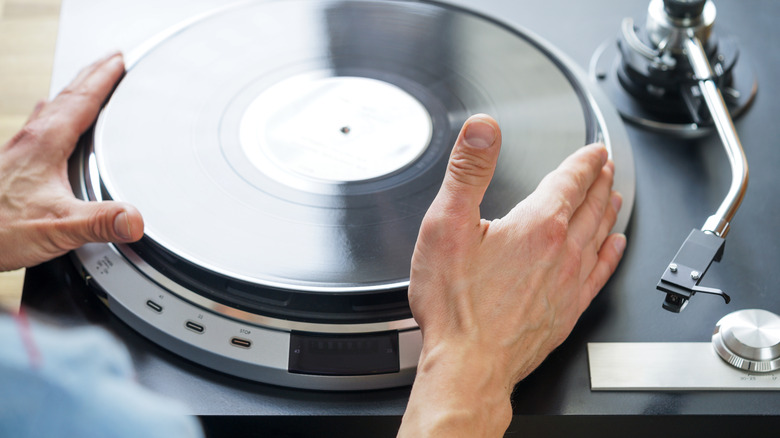
The first thing to remember is to handle your records with clean hands to avoid getting smudges, dirt, and the natural oil from your skin on them. Gently pull the record out of the sleeve and hold the vinyl on its edges with your palms, instead of putting your fingers on the playing surface where you see the grooves. There's nothing worse for a music lover than when he or she is completely immersed in a song and gets yanked out of it when the record jumps or skips.
It's also important to be careful when putting vinyl onto the turntable, so you'll want to place it on there gently. Be just as delicate when lowering the tonearm — the part of the record player that has the needle. If your turntable has a cue lever, which is a piece that stands near the tonearm and allows you to drop it onto the record slowly, be sure to use it each time. Doing that will allow you to play your records for a lifetime and keep them intact if you'd ever like to sell them or pass them on to the next music lover in your family.