

5 Classic Rock Songs That Capture The Many Faces Of Grief
Grief comes in strange packages, and it doesn't play by anyone's rules but its own. It's also made a compelling inspiration for musicians from the beginning of humanity. Some of the most resonant and relatable depictions of the many faces of grief have appeared in classic rock music, a tangible piece of the emotional puzzle songwriters have grappled with. And the melodic packages in which the music world's biggest names have turned that pain into art are just as varied.
We examined the various songs released by classic rock artists that encapsulate the array of expressions grief can take, from anger and confusion to loneliness and regret. Every form of it is received and experienced differently, but thanks to the creativity of the genre's most talented songwriters and musicians, there's a collection of songs that express the myriad ways in which the phenomenon arises and the tangle of emotions it inspires. These five stand as our favorite examples of how the grieving of artists can become musical coping tools for anyone who needs to know they're not alone in their feelings — no matter how those feelings present themselves.
All My Love — Led Zeppelin
One of the most tragic details in the career of Led Zeppelin and its members is the death of Robert Plant's five-year-old son, Karac, who died suddenly while the band was on its 1977 tour. Understandably, Plant questioned whether he would continue with the band or even with music at all. Ultimately, he chose to record one final album before closing up the Led Zeppelin years. The unimaginable anguish Plant endured emerged as "All My Love," a heart-wrenching 1979 single that showed off a new direction for the band. The arrangement was awash in synthesizers and put forth a more commercial sound that softened the hard rock character that made them iconic.
Without knowing the inspiration, long-time listeners and devoted fans could have written it off as an attempt to sell more records by catering to pop culture. But the lyrics were classic Zeppelin, a contemplative, poetic attempt to make sense of the cruelest pain. "Yours is the cloth, mine is the hand that sews time / His is the force that lies within," Plant sings, "Ours is the fire, all the warmth we can find / He is a feather in the wind." It's a solemn, almost prayer-like rumination on the ephemeral nature of life, capped off with a plaintive wail of "All of my love, all of my love / All of my love to you child." Once you understand the back story, it's hard to hold back tears.
Wish You Were Here — Pink Floyd
When Pink Floyd co-founder and front man Syd Barrett began battling serious mental health issues in 1968 and stepped away from the unit he helped create, his bandmates felt the weight of the loss. Their classic song "Wish You Were Here" became a haunting admission of how much Barrett's absence had impacted the group. Guitarist Roger Waters put his feelings into words against a riff from David Gilmour and conjured a tale of turmoil and alienation, topics familiar to anyone who's experienced a sudden separation resulting in unexpected grief.
It's Gilmour's soothing voice that sings the song, weighing in mournfully on the chorus, "How I wish, how I wish you were here / We're just two lost souls swimming in a fishbowl, year after year." It's a succinct and affecting sentiment that shows a broken connection between two people with a singular bond forged in friendship and the strangeness of their growing fame. With Barrett taking his leave, Waters and the others were left to continue alone, a tragic reality for Pink Floyd that the band turned into art as a way to cope. Years later, Waters would confide to Dan Rather in an interview that there were shades of losing his father in the song, too, doubling the need for an artistic release.
American Pie — Don McLean
The dense lyrics of Don McLean's epic "American Pie," are about grieving the stunning, too-soon deaths of three young rockers — Buddy Holly, Ritchie Valens, and The Big Bopper — in a single 1959 plane crash. The chorus even references Holly's well-known "That'll Be the Day" with a heart-wrenching twist. But in a grander sense, it's also an up-tempo, semi-autobiographical dirge to the loss of innocence American youth like McLean were beginning to undergo with the ending of the '50s and the advent of the tumultuous '60s, with the John F. Kennedy assassination and the looming Vietnam tensions blossoming into a horrific war.
What McClean does much more overtly with this classic is deliver a musical mourning revue in which the confusing swing of emotions show up in the chords and tempo changes. The deceptively cheerful verses that speak of awkward teen insecurity come to a dramatic minor key pulse at the pre-chorus. McLean slows the final chorus to the pacing and spare arrangement of a pub sing-along — a sorrowful signal that the good times are over and a grief cocktail is now the specialty of the day.
Everything I Own — Bread
From the softer side of the rock spectrum, the Bread favorite "Everything I Own" is often mistaken for a romantic love song. The generality of loss in the lyrics certainly supports that assumption. In reality, the song is about the bargaining stage of grief and wanting the one you've lost back at any cost. Written about the death of songwriter and lead singer David Gates' father, which occurred years before its release, "Everything I Own" is one of the most confessional rock songs regarding the complex feelings loss forces everyone to face.
The lyrics tenderly explore the influence Gates' father had on his life, even as a quiet force: "You never said too much / But still you showed the way / And I knew from watching you." Then Gates' voice rises for the chorus as he proclaims, "And I would give anything I own / Would give up my life, my heart, my home / I would give everything I own / Just to have you back again." Anyone familiar with the five stages of grief made famous by psychiatrist Elisabeth Kübler-Ross knows exactly what this sort of bargaining signifies. It comes just before the final stage of acceptance, but it deserves a classic rock song as powerful and lovely as this.
Paint It Black — The Rolling Stones
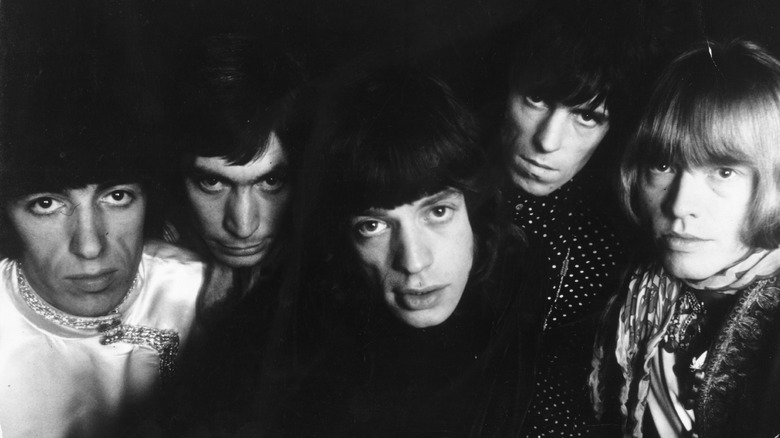
The overwhelming anger and sorrow that arises with grief is graphically summarized in the iconic "Paint It Black" by classic rockers the Rolling Stones. It tapped a surging vein of pain in 1966, the era of the Vietnam draft that led young men to their death and changed the tone of the whole country. The fact that this became one of the most successful songs of the year attests to the cathartic need for a bleak expression that spoke for a generation, with more complexity than other bands could muster. While the Beatles were singing about love, the Stones were singing about rage and anguish.
Mick Jagger may have created it, but he doesn't consider it to be a classic rock song; to him, it defies an easy label. The all-encompassing darkness in the lyrics centers on a narrator whose lover has died, stripping the color from his world: "No more will my green sea go turn a deeper blue / I could not foresee this thing happening to you." It's beat poetry that reaches within and pulls out the ugly stuff, set to a jaunty, melodramatic melody and a vocal from Jagger that shifts from a numb drone to an angry growl, depending on the section. On all fronts, it captures the emotional whiplash grief can put you through as you move from anger to sorrow to depression.