

'90s Rock Icons That Tarnished Their Own Legacy
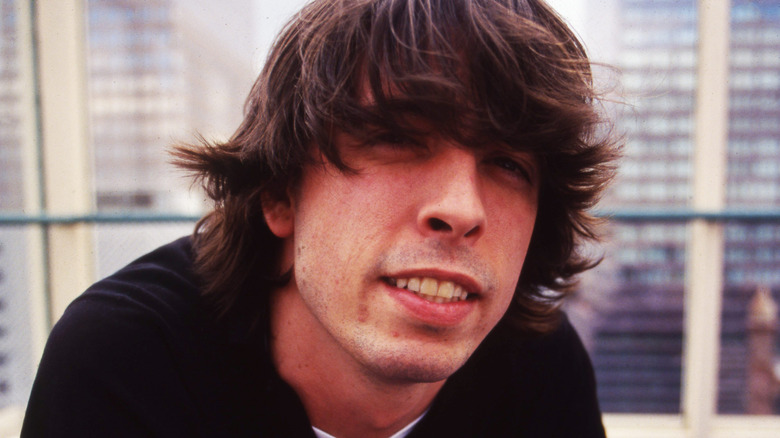
The 1990s had its own generation of rock stars with its own set of standards. Unlike the rock lords of the 1970s and 1980s — infallible, self-aggrandizing, and celebrated for their libertine actions — the people wielding guitars and microphones in the 1990s had different expectations thrust upon them. With the arrival of grunge specifically and alternative rock as a whole, music became darker and more honest and earnest. Fans expected their '90s rock stars to be different — to be good, caring people who exhibited artistic and personal integrity at all times. That created a parasocial bond between audience and performer that fueled the rise of numerous rock stars of the era.
After their heyday, many of the 1990s' biggest and best-selling musicians remained in the spotlight, or maybe they had to cling to it by making some noise in other ways. They kept making headlines, but not for their music or for anything positive. Many of the decade's most fondly remembered rock stars made choices that perhaps permanently damaged their stellar reputations. Once considered cool and noble, they subsequently appeared to be hateful, cruel, scheming, sexist, or, perhaps worst of all to some fans, sellouts. Here are five of the most vital rock stars from the '90s who later damaged their own image and left the world doubting if they were ever even that good to begin with.
Billy Corgan
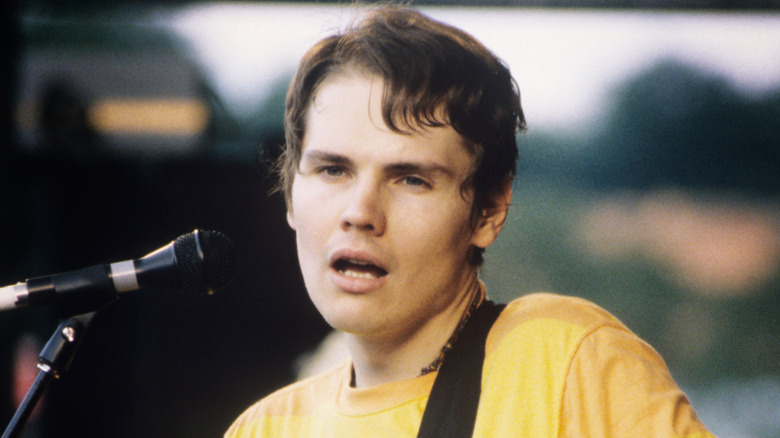
In the 1990s, Smashing Pumpkins combined screaming guitars, baffling lyrics, and snarling vocals, with most of those things the responsibility of Billy Corgan — the band's main songwriter, frontman, and only continuous member. The group rode the highs of grunge with songs like "Cherub Rock" and "Today" before getting grand and progressive with its double LP "Mellon Collie and the Infinite Sadness" and then splintering in the early 2000s. Smashing Pumpkins fell from its peak because Corgan continuously alienated and fired his bandmates before he became a habitual utterer of hate speech.
Corgan revealed on his Livejournal blog in 2005 that he'd once spent the evening in the intimate company of a woman. He used that same blog to publicly threaten violence against the woman after he learned that she was transgender and had been telling people she'd been with Corgan. Six years later, transgender rights activist and custom guitar pedal builder Devi Ever wrote on a message board that Corgan had never paid her for her work. Corgan lashed out on social media with anti-trans slurs, threatening her with violence and insisting he would file a lawsuit so severe it would put her out of business forever.
Liz Phair
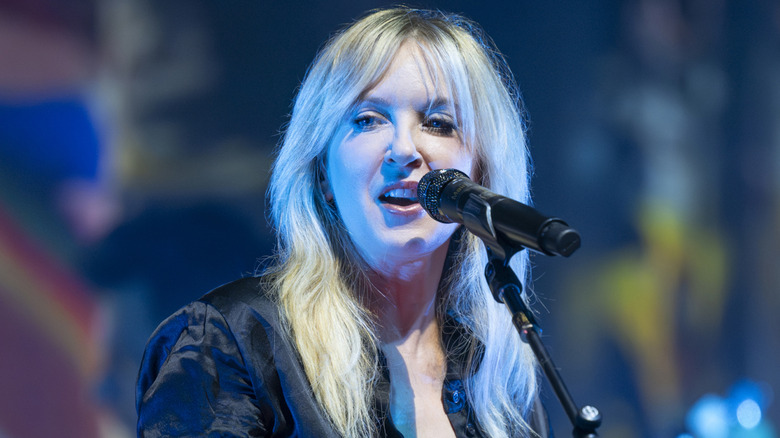
Following some crunchy underground cassettes released under the name Girly-Sound, Liz Phair came out with "Exile in Guyville" under her own name in 1993. It was highly influential to a generation of sexually frank, confessional, guitar-driven female singer-songwriters and female-fronted bands of the '90s, and Phair followed it up with a few more like-minded albums by decade's end. While Phair received plenty of critical acclaim, commercial success proved elusive. In 2003, Phair teamed up with the producers and songwriters behind the success of teen-punk singer Avril Lavigne, and her catchy, radio-friendly single "Why Can't I?" did exactly what it was intended to do: Phair hit the Top 40 for the first and only time.
To her longtime fans and acolytes, Phair had committed the ultimate sin of authentic artists: She'd "sold out." Few '90s rock stars had to endure a more severe fall from grace, as perceived by the most stringent hipsters and gatekeepers. "What is Liz Phair thinking?" Slate critic Mim Udovitch rhetorically asked at the time. A particularly devastating blow came when influential music blog Pitchfork issued a vitriolic 0.0 (out of 8.0) review of Phair's 2003 self-titled album. "Liz has finally managed to achieve what seems to have been her goal ever since the possibility of commercial success first presented itself to her: to release an album that could have just as easily been made by anybody else," wrote Matt LeMay.
Dave Grohl
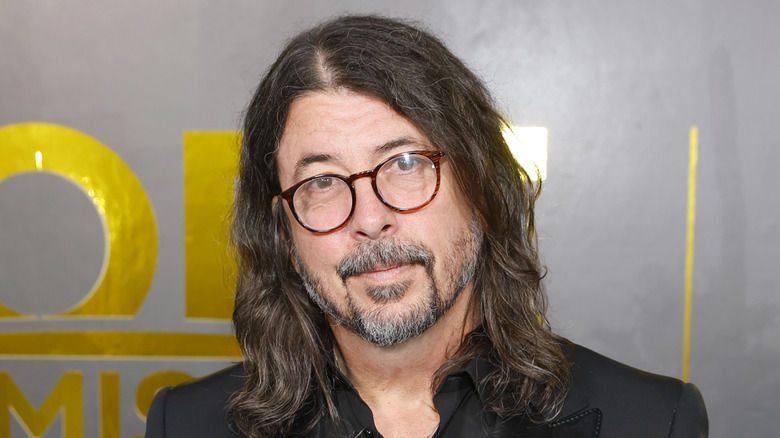
The tragic real life story of Nirvana came to an end with the 1994 death of frontman Kurt Cobain. Drummer Dave Grohl switched gears and emerged as the singer, songwriter, and guitarist for a new project called Foo Fighters. After dominating post-grunge alternative rock for the rest of the '90s, Foo Fighters evolved into one of the most popular mainstream rock 'n' roll bands of the 21st century. All the while, Grohl enjoyed a reputation as one of rock's good guys, injecting humor into Foo Fighters' videos and shows, waging good-natured drum battles with children, and living out a public bromance with bandmate Taylor Hawkins.
It came as a shock to fans in August 2024 when Grohl revealed that he hadn't been such a good guy as far as his 21-year marriage to Jordyn Blum was concerned. "I've recently become the father of a new baby daughter, born outside of my marriage. I plan to be a loving and supportive parent to her," Grohl wrote on Instagram. "I love my wife and my children, and I am doing everything I can to regain their trust and earn their forgiveness." The band canceled some tour dates and announced it would take a break of an unknown length while Grohl, pretty much constantly famous since 1991, lay low for a while.
Ed Kowalczyk
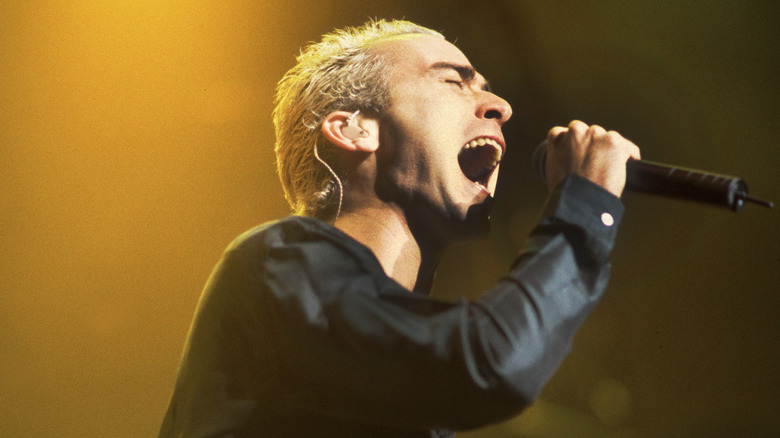
Live sold 8 million copies of its 1994 album "Throwing Copper," full of moody, philosophical, and tormented alternative rock hits like "I Alone," "Selling the Drama," and "Lightning Crashes." A healthy band dynamic was shattered after a popularity drop-off in the 2000s, all because lead singer Ed Kowalczyk began acting like he was the star and his bandmates and old friends were not. In 2009, Kowalczyk decided that Live ought to break up, and he told the band as much via email. By that point, Kowalczyk's behavior had gotten so egregious that the other members of Live welcomed the split. "We all responded in about 30 seconds and went, 'Great idea,'" guitarist Chad Taylor told Rolling Stone.
Kowalczyk embarked on a solo career, releasing two albums, "Alive" and "The Flood and the Mercy," both of which sold so poorly that they didn't make the Billboard 200 album chart. Clearly, the public had tired of the music and actions of Kowalczyk. The musician who left his band and went crawling back organized a Live reunion tour in 2016 and continued to act as he had before. He negotiated for himself a 40% revenue share, while the other three members of Live got 30%, 15%, and 15%. In 2022, Kowalczyk revved up band tensions once again, telling his bandmates that he'd finagled a controlling interest in the band. With the actual power he'd always sought, he fired everyone and began touring as Live with hired backing musicians.
Phil Anselmo
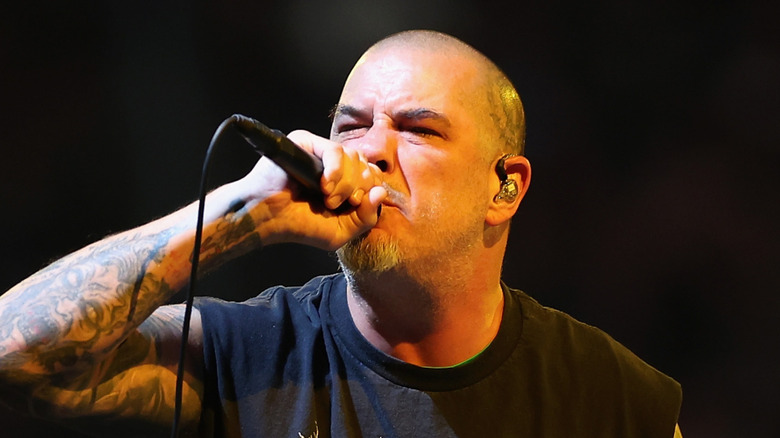
When grunge dominated the 1990s, most metal bands around since the 1980s faded into obscurity, but not Pantera. It got harder and edgier and became even more successful, selling millions of copies of its early 1990s albums "Vulgar Displays of Power" and "Far Beyond Driven." The mainstream popularity of Pantera made its energetic frontman, Phil Anselmo, a certified rock star. The singer's publicly and frequently aired grievances with other members of Pantera led to a split in the early 2000s, and Anselmo shouldered the blame. His feud with guitarist "Dimebag" Darrell Abbott had grown so intense that when Abbott was murdered in 2004, the deceased's family told Anselmo not to attend the funeral.
While that helped erode Anselmo's fanbase, the frontman reconciled with his former bandmates to reform Pantera, which he sabotaged with his on-stage behavior at a January 2016 Abbott tribute show. At the end of Pantera's set, Anselmo yelled out a white supremacist slogan and performed a Nazi salute. Anselmo apologized with a social media video, but the damage would affect Anselmo and Pantera for years to come. FortaRock, a festival in the Netherlands, told Anselmo that his other band, Down, wouldn't be allowed to perform. Even three years later, promoters in New Zealand heard about the 2016 incident and called off some planned Pantera shows, as did promoters in Germany as late as 2023.