

Rockers Who Fell Victim To The Dreaded Sophomore Slump
We may receive a commission on purchases made from links.
There's a unique phenomenon in popular music, and fans have seen it play out time and time again. We're talking, of course, about the dreaded sophomore slump. Put simply, this is when a hot new act unveils a superb debut album that rockets to the top of the charts — only to disappoint with an underwhelming second album that flops hard by failing to impress critics or selling poorly.
There are myriad reasons for why this tends to occur. The most common, of course, is also the most obvious: An artist has spent years compiling material for that first album before heading into the studio. When that album hits, the demand for a follow-up becomes intense and immediate. Now, said artist is facing a ticking clock and a firm deadline to come up with a new batch of hits — all while touring from city to city, promoting the first album, and coping with the life changes from the sudden fame that record brought about.
The stress is unimaginable, and you've got to hand it to those who've delivered a second album better than the first. Yet the sophomore slump has happened to the best of them. The phenomenon has not only cursed so-called one-hit wonders, who faded back into obscurity after a chart-topping debut, but also acts that went on to become well-established hitmakers after recovering from that second-album stumble. Here's a look at some rockers who fell victim to the dreaded sophomore slump.
U2 — October
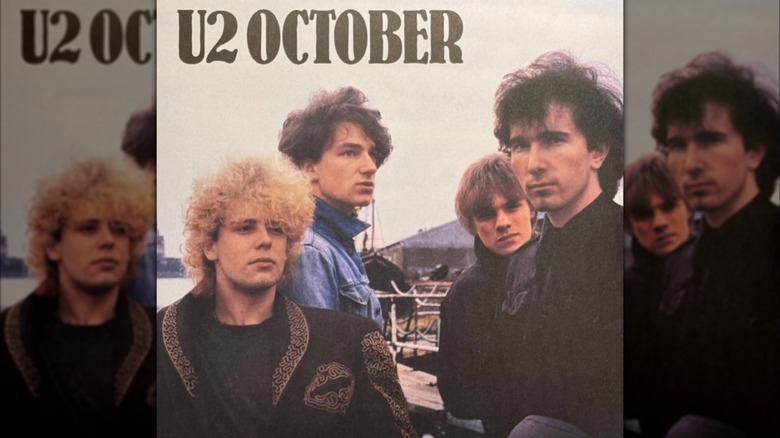
When looking back at the untold truth of U2, the saga truly began with the release of the Dublin quartet's debut album, 1980's "Boy." Led by the plaintive vocals of singer Bono, The Edge's jagged guitar, and shimmering production from Steve Lillywhite, the album (and its jarring lead single "I Will Follow") announced the arrival of rock's next big thing — a post-punk outfit bursting with energy and attitude to spare. Reviews were through the roof, with Rolling Stone's David Fricke praising the album as "precociously magnificent." Understandably, expectations for the band's next album were sky high.
Arriving in October 1981, "October" proved disappointing. Making the album was no picnic — relations between the band members had become so strained that The Edge briefly quit before having a change of heart and returning to the band. The album's first single, which was released a few months prior to the record's release, was "Fire." Fans and critics alike responded with a collective "meh," and even the band now considers it to be the group's lowest point. "'Fire' was not a very good song," Bono observed in the book "U2 by U2." The Edge concurred, adding, "It was high in potential but actually not very high in content." Thankfully, U2 recovered with its third offering, "War," with hit singles "Sunday Bloody Sunday," "New Year's Day," and "Two Hearts Beat as One" paving the way for the decades of success that followed.
Meat Loaf — Dead Ringer
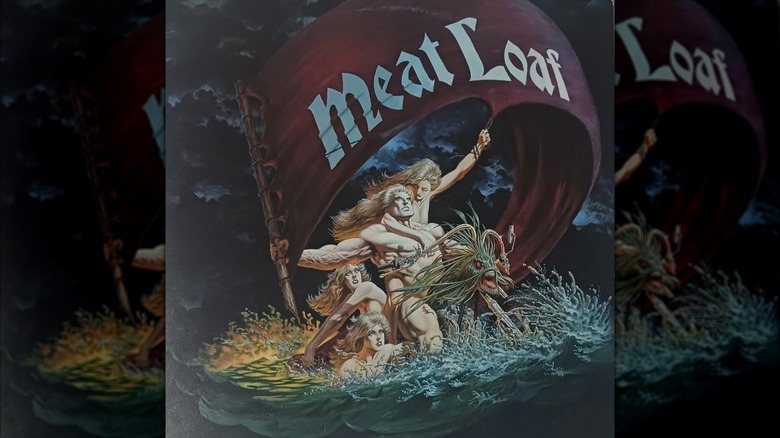
After Marvin Lee Aday ditched his real name to go by the moniker Meat Loaf, he exploded onto rock radio with the release of 1977's "Bat Out of Hell." With Meat Loaf's bombastic voice tackling the rock-opera compositions of Jim Steinman, the album was bolstered by a string of hits — including "You Took the Words Right Out of My Mouth" and "Paradise By the Dashboard Light" — and sold a staggering 43 million copies to become one of the biggest-selling albums in rock history.
The follow-up, "Dead Ringer," didn't arrive until 1981. The reason the album took so long was because the singer had blown out his voice while touring for "Bat Out of Hell" and didn't feel confident enough to return to the studio. Reviews were scathing. "His vocals here are alarmingly awful," snarked Rolling Stone's Parke Puterbaugh. The single "I'm Gonna Love Her for Both of Us" stalled at No. 84 on the Billboard Hot 100, and the album tanked. "It's not one of my favorites, because I was in the middle of a nervous breakdown when we were recording it," Meat Loaf told Broadway World, admitting he'd seriously considered rerecording the album.
Meat Loaf's next few albums fared little better. It wasn't until he reunited with Steinman for the clumsily titled "Bat Out of Hell II: Back Into Hell" that he charted his first No. 1 hit, "I'd Do Anything for Love (But I Won't Do That)."
Tom Petty and the Heartbreakers — You're Gonna Get It!
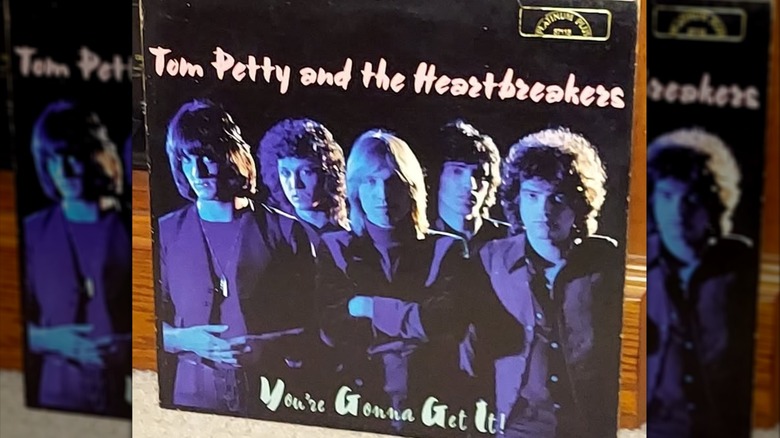
After Mudcrutch morphed into Tom Petty and the Heartbreakers, the band's self-titled debut album slowly grew into a hit after its 1976 release. Tracks like "Breakdown" and "American Girl" garnered big radio play and remained staples of the band's repertoire (in fact, the latter was the final song Petty performed before his 2017 death).
Released in 1978, the Heartbreakers' second album, "You're Gonna Get It!" didn't build on the success of the first album, but neither did it do much damage. Instead, it sent the band into a holding pattern, and while the collection was devoid of hits, it did demonstrate frontman Tom Petty's maturing evolution as a songwriter. NME (via Rock's Backpages) summed it up best by observing that "'You're Gonna Get It!' was released to widespread critical apathy." Looking back on that LP in 1980, Petty told Rolling Stone. "That album just wasn't done the way we should've done it. It was like this incredible apathy invaded the band; we were trying to keep up fronts to each other. By the time we started to work on the third album, we couldn't even play in a groove."
As we all know, the Heartbreakers did get its groove back. The band's third LP, "Damn the Torpedoes," was nothing short of a blockbuster. It's what really put the band on the map, musically speaking, and remains the quintessential Heartbreakers album.
Dire Straits — Communique
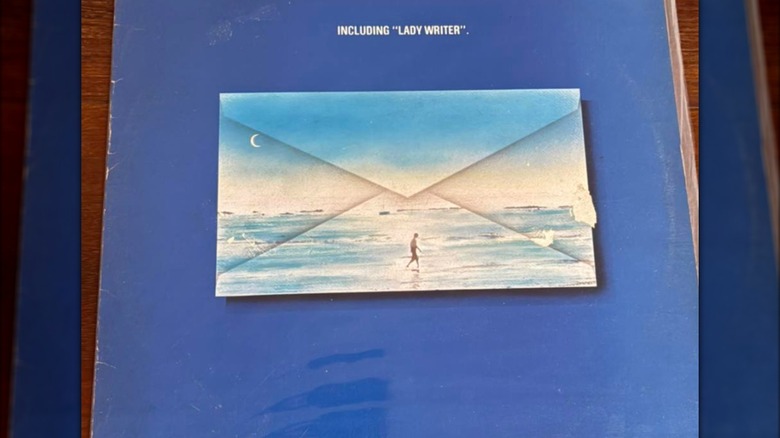
When Dire Straits' "Sultans of Swing" began garnering radio play in 1979, the single from the British group's self-titled debut album sounded like little else at the time. The saga of a working-class jazz band, slogging away in beer-soaked London clubs, melded jazz, blues, rock, and guitarist-songwriter-frontman Mark Knopfler's distinctive guitar playing into something altogether unique that was more than just the sum of its parts. The single hit No. 4 on the Billboard charts and remained in the ranking for 15 weeks, and to this day, it's the band's highest-charting single.
For fans, the "Dire Straits" album was a musical masterclass that featured some stunning songs, including "Six Blade Knife" and "Water of Love." However, the release of "Communiqué" dashed expectations that the band's second album would be even bigger. Despite some brilliant tracks — "Once Upon a Time in the West" and "Lady Writer" were standouts — critics bashed the LP for essentially being a rehash of the first.
Knopfler and company, however, kept moving forward, charting minor hits until the release of 1985's "Brothers in Arms," which delivered such hits as "Walk of Life," "So Far Away," and the band's sole No. 1, "Money for Nothing." Looking back at "Communiqué" when speaking with Bill Flanagan for his book, "Written In My Soul," Knopfler was quick to point out that the album did fairly well everywhere but the U.S. "But having said that, I still don't think it was a very good record," he confessed.
The Knack — ... But the Little Girls Understand
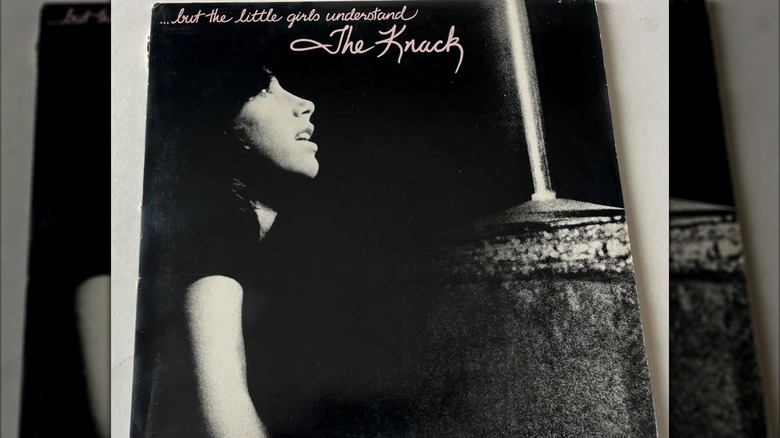
Anyone listening to the top-40 radio during the summer of 1979 would have probably been singing along to "muh-muh-muh-my Sharona." That single, "My Sharona," hit No. 1, as did the debut album from the band that produced it, The Knack. Written by frontman Doug Fieger and guitarist Berton Averre, the song became 1979's top-selling U.S. single, remaining at No. 1 for an impressive six weeks. The song's ubiquity is evident by being parodied by "Weird Al" Yankovic with "My Bologna" (legend has it that The Knack helped "Weird Al" land his first record deal).
With that level of success, it seemed that The Knack's second album would be even bigger. Yet when that LP — "... But the Little Girls Understand" — was released in 1980, it was met with a collective shrug and, in some cases, outright disdain. The Knack never recovered and was assigned to one-hit wonder status.
Interestingly, Fieger revealed in an interview with Intermittent Signals that he'd fought for "Get the Knack" to be a double album, but he was overruled by the record label. When the album exploded, the label cobbled together the leftover songs for the second album. "If we had released a double album, we wouldn't have been slagged by people as if '...But The Little Girls Understand' was an inferior product — when it was really just ... a record of stuff that just had to be left off the first album," he explained.