

Rock Stars That Sabotaged Other Artists' Big Breaks
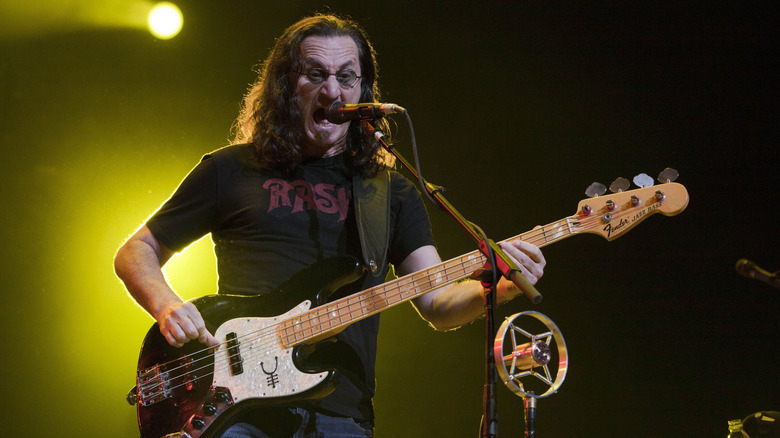
As much as rock 'n' roll might be about freedom, sex, love, emotions, or artistic expression, it's also a business. It's competitive, even cold-hearted, and like all creative industries, it's in constant flux. Tastes and styles change, and if any band or artist can rise from obscurity to fill arenas or sell millions of albums, then no established musician's status or position in the pecking order is safe. Factor in good old-fashioned jealousy or fragile egos, and you understand why some rock stars have tried to undermine or outright sabotage artists on the cusp of success.
Journey tried unsuccessfully to boot a rising Van Halen off tour, and Sly and the Family Stone dropped Bob Marley and the Wailers after only five dates. Fiercely competitive, Rick James locked horns with a young, rising Prince, and Deep Purple's roadies turned AC/DC's first major festival slot into a debacle. An unimpressed Rush pulled juvenile pranks during the Runaways' opening set, leading to a near accident and lasting bitterness.
These episodes of rock 'n' roll sabotage represent the less savory, darker side of the music industry. But luckily, the more veteran rock stars didn't succeed, and sometimes, their efforts even backfired, propelling the new artists further. In each case, a bigger fish, perhaps unaware of where the tide was headed, nipped at a smaller one.
Journey tries to ditch Van Halen
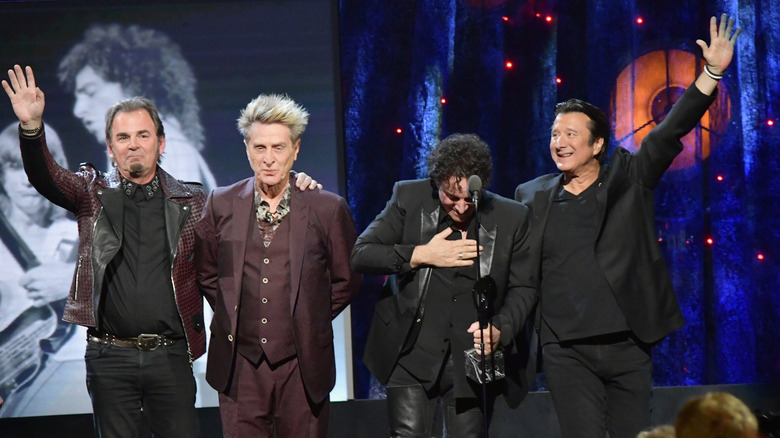
In 1978, Van Halen put the pedal to the metal, with a hot-selling self-titled debut album and a reputation for ferocious live shows propelling them to the national stage. It helped that the California rockers had one of rock's greatest lead guitarists and most outrageous performers: Eddie Van Halen. As rising stars, the band scored an opening slot on a U.S. tour headlined by Journey. Barreling down the fast lane, the upstarts blew audiences away night after night. As Journey singer Steve Perry admitted to Ultimate Classic Rock in 2020, "They cleaned our clock plenty of times... They were so focused and so on fire that they were just relentless."
Impressive as it must have been, that relentlessness and undeniable stage presence became an issue. Before long, Van Halen received the classic rock 'n' roll hazing ritual. Journey would have their road crew change the settings on the opening act's PA, destroying the sound mix to trip up the younger band. Welcome to the big leagues. But according to Van Halen bassist Michael Anthony, it went further. In an interview on Sirius XM's "Trunk Nation" (via Ultimate Classic Rock), he claimed, "[Journey] were trying to kick us off the tour every week on that one." It didn't happen — the youngsters were too hot, too clearly on the rise — and that run of shows proved that Van Halen was ready to take the wheel.
Rick James refuses to recognize Prince's crown
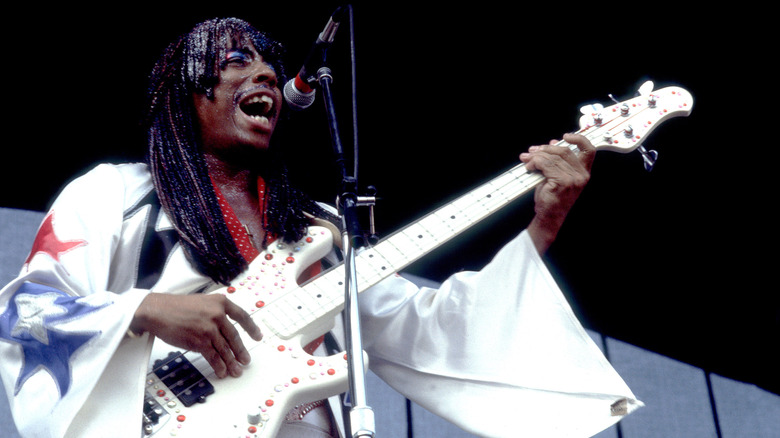
Rick James' "Fire It Up" tour in 1980 gives us an incurable case of FOMO. The veteran funk rocker was at the height of his powers — his biggest hit, "Super Freak," would come out the following year — and he brought along a hungry, 21-year-old Prince as the opener. The concerts became legendary not only for their elaborate stage show and fiery performances, but also the bitter rivalry they bred between headliner and support act. "Prince was giving me hell on the road," James admitted in the documentary "Bitchin': The Sound and Fury of Rick James" (via Daily Beast). That competition forced both artists to step up their respective games, and it became a musical boxing match that almost got physical.
According to those who were there, James became incensed because he thought Prince's style and stage moves were a little too similar to his. A specific bone of contention was a call and response with the audience — a highlight of the older musician's set — that the younger artist started breaking out. The situation deteriorated quickly. As Parliament Funkadelic bassist Bootsy Collins recalled in the documentary, "[T]hey would pull plugs on each other, getting ready to go to blows." Whether or not a stage holler can be copyrighted, it's clear the veteran both admired and resented the Purple One. James was no doubt seeing what everyone else was: that the younger artist's star was on the rise, and that there would never be another like Prince.
Deep Purple's crew tries to unplug AC/DC
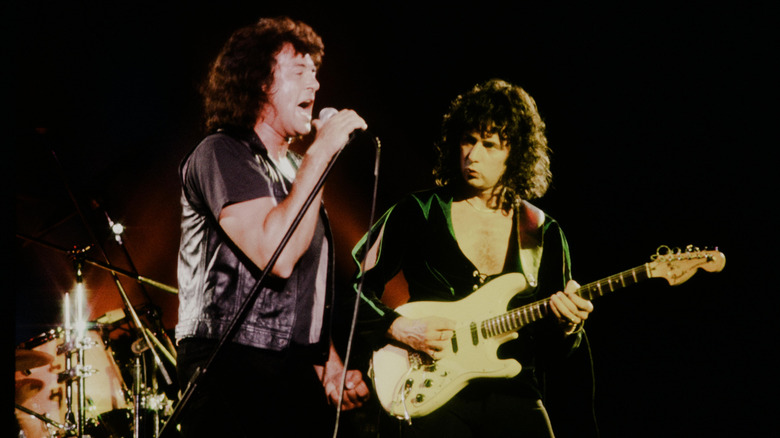
In 1975, Australian rockers AC/DC had recently hired singer Bon Scott and were still cutting their teeth in local clubs. After a pub gig, a huge opportunity fell into their lap: a last-minute slot at the Sunbury Pop Festival, a Woodstock-like multi-day concert. In addition to rainy weather, tensions flared between the emerging act and headliners Deep Purple. An altercation between one of the fledgling band's managers and a roadie for the more veteran act erupted into a full-on backstage brawl that found AC/DC and their crew squaring off against Deep Purple's road crew and security staff.
Order returned with the agreement that the younger band would go on after the headliners. But that's when there was sabotage. When it was time for their set, AC/DC found their gear had been taken off stage, leading to more fighting. Ultimately, the Australian band never played the festival, missing out on a chance to perform alongside internationally established acts for thousands. But rather than sink them, this episode buoyed their hard rock reputation. In an interview with the Australian Broadcasting Corporation, AC/DC guitarist Angus Young recalled, "the next day that was all you read about: 'AC/DC in brawl with Deep Purple.' In the end it elevated us" (via Ultimate Classic Rock).
Sly drops Bob Marley from the tour
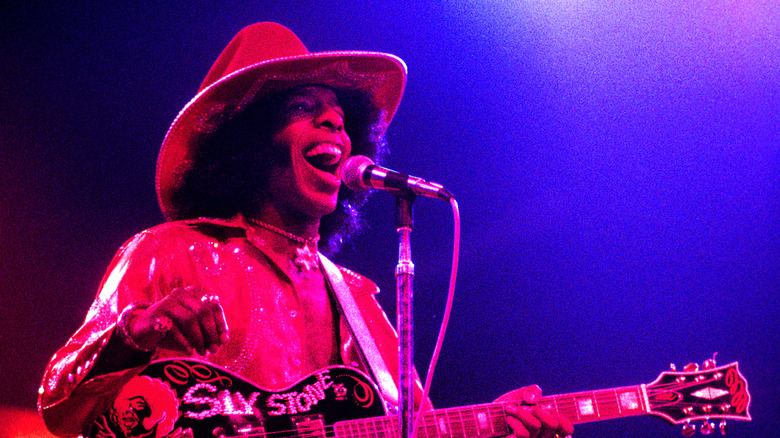
Before the dorm room posters and t-shirts, Bob Marley and his band, the Wailers, were invited to open for Sly and the Family Stone on a 17-date leg of a 1973 tour. At the time, the Jamaican artists had put out their first album, "Catch a Fire," but weren't well known in the U.S. A pairing with the legendary psychedelic, soul, and R&B act was a golden opportunity to change that. But within five stops, the up-and-comers were kicked off the bill.
As to why it happened, there are at least two sides to the story. According to some, Marley, Peter Tosh, and the other Wailers were so impressive that Sly Stone got jealous: another case of a veteran band feeling threatened by upstarts. However, others maintain the audiences didn't (yet) know what to make of the Jamaicans' reggae and roots rhythms. In Eddie Santiago's biography, "Sly: The Lives of Sylvester Stewart and Sly Stone," Marley's tour manager Lee Jaffee explains, "We just played and everybody sat there" (via Boundary Stones). It's hard to imagine.
Whether due to professional envy or perceived necessity, the big break with state-side audiences that Marley and the Wailers sought was deferred. But not for long. By the end of that year, they'd release the "Burnin'" album, featuring "I Shot the Sheriff," marking their true arrival as reggae stars.
Rush tries to make the Runaways slip
We all know that rock in the '70s was a boys' club. That added to the many challenges faced by hard rockers the Runaways. As an all-female group, their music was often dismissed by critics, and their playing underrated. On the "WTF" podcast, guitarist and vocalist Joan Jett recalled one of her guitar teachers putting it bluntly, telling her, "Girls don't play rock 'n' roll" (via Open Culture). Sexist attitudes like that sometimes put the band in the crosshairs of larger, more established — and male — acts. In an interview with Juice Magazine, Jett recalled, "[T]here were definitely bands that had a problem with us." That likely fed into an infamous case of rock 'n' roll sabotage at a Rush concert in Detroit, Michigan, in 1977.
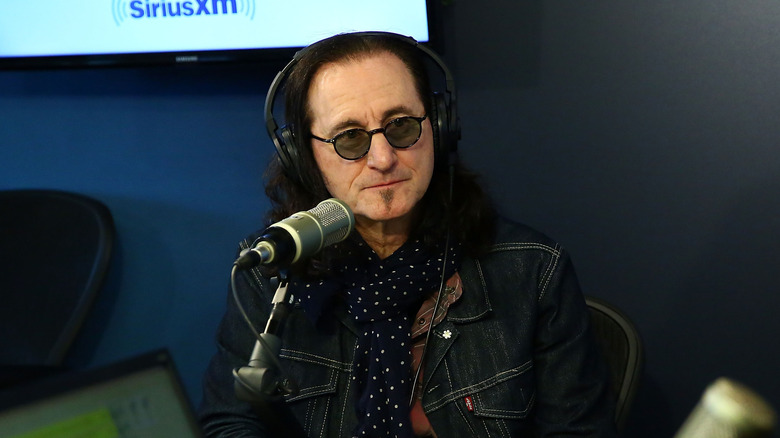
During the Runaways' opening slot for the Canadian prog rock giants, lead singer Cherie Currie remembers the headliners cackling and throwing sheets of paper on stage. As she landed a stage jump in platform boots, she slipped on one of the sheets, almost tumbling into an orchestra pit full of photographers. "I could have been paralyzed. I'm not exaggerating," she told The Metal Voice. "So that's why Joan and I in particular don't care much for them." In an interview with Prog in 2013, Rush's Geddy Lee maintained he "had no bias against them because they were girls" (via Far Out). But he added that he wouldn't have been at the side of the stage anyway because the Runaways weren't even worth checking out. It seems time can't heal some rock 'n' roll wounds.