

Rock Stars That Sabotaged Other Artists' Big Breaks
As much as rock 'n' roll might be about freedom, sex, love, emotions, and artistic expression, it's also a business. It's competitive, even cold-hearted, and like all creative industries, it's in constant flux. Tastes and styles change, and if any band or artist can rise from obscurity to fill arenas or sell millions of albums, then no established musician's status or position in the pecking order is safe. Factor in good old-fashioned jealousy or fragile egos, and you understand why some rock stars have tried to undermine or outright sabotage artists on the cusp of success.
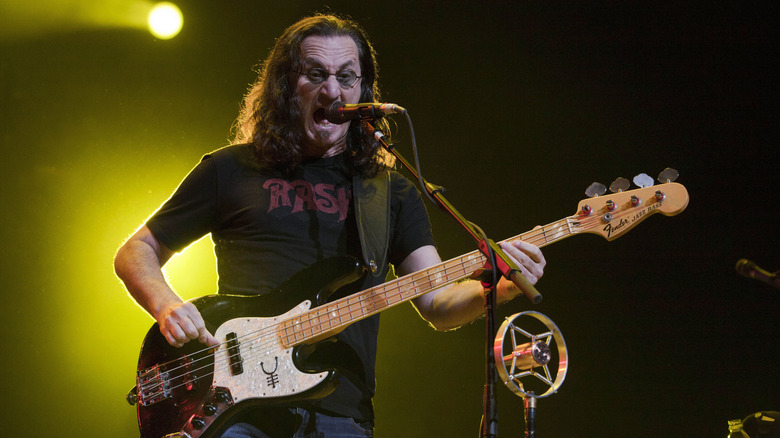
Journey tried unsuccessfully to boot a rising Van Halen off tour, and Sly and the Family Stone dropped Bob Marley and the Wailers after only five dates. Fiercely competitive, Rick James locked horns with a young, rising Prince, and Deep Purple's roadies turned AC/DC's first major festival slot into a debacle. An unimpressed Rush pulled juvenile pranks during the Runaways' opening set, leading to a near accident and lasting bitterness.
These episodes of rock 'n' roll sabotage represent the less savory, darker side of the music industry. But luckily, the more veteran rock stars didn't succeed, and sometimes, their efforts even backfired, propelling the new artists further. In each case, a bigger fish, perhaps unaware of where the tide was headed, nipped at a smaller one.
Journey tries to ditch Van Halen
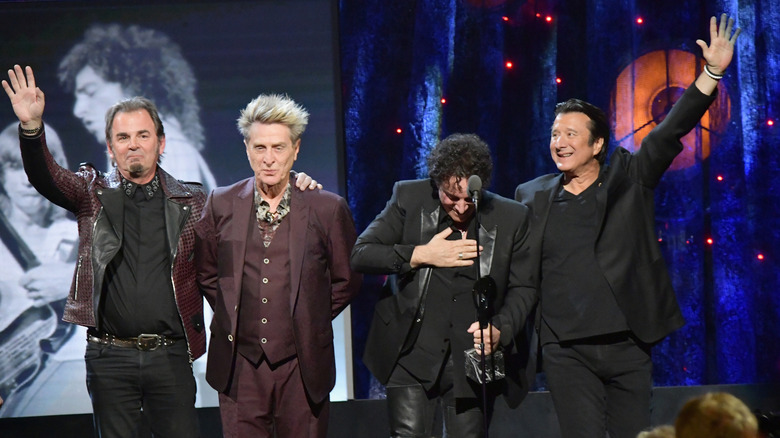
In 1978, Van Halen put the pedal to the metal, with a hot-selling self-titled debut album and a reputation for ferocious live shows propelling them to the national stage. It helped that the California rockers had one of rock's greatest lead guitarists and most outrageous performers: Eddie Van Halen. As rising stars, the band scored an opening slot on a U.S. tour headlined by Journey. Barreling down the fast lane, the upstarts blew audiences away night after night. As Journey singer Steve Perry admitted to Ultimate Classic Rock in 2020, "They cleaned our clock plenty of times... They were so focused and so on fire that they were just relentless."
Impressive as it must have been, that relentlessness and undeniable stage presence became an issue. Before long, Van Halen received the classic rock 'n' roll hazing ritual. Journey would have their road crew change the settings on the opening act's PA, destroying the sound mix to trip up the younger band. Welcome to the big leagues. But according to Van Halen bassist Michael Anthony, it went further. In an interview on SiriusXM's "Trunk Nation" (via Ultimate Classic Rock), he claimed, "[Journey] were trying to kick us off the tour every week on that one." It didn't happen — the youngsters were too hot, too clearly on the rise — and that run of shows proved that Van Halen was ready to take the wheel.
Rick James refuses to recognize Prince's crown
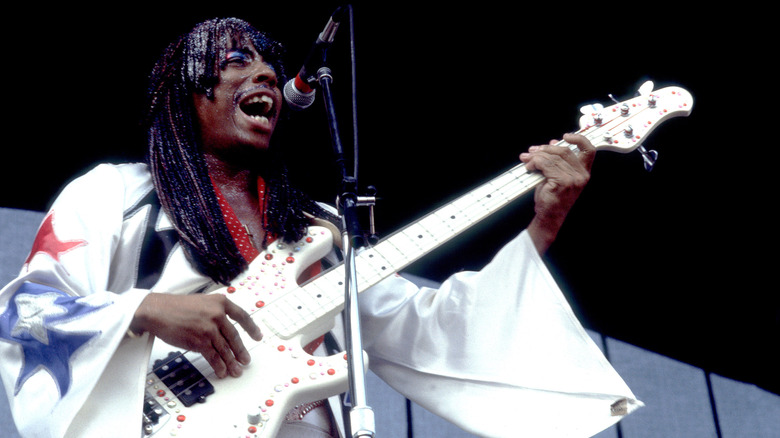
Rick James' "Fire It Up" tour in 1980 gives us an incurable case of FOMO. The veteran funk rocker was at the height of his powers — his biggest hit, "Super Freak," would come out the following year — and he brought along a hungry, 21-year-old Prince as the opener. The concerts became legendary not only for their elaborate stage show and fiery performances, but also the bitter rivalry they bred between headliner and support act. "Prince was giving me hell on the road," James admitted in the documentary "Bitchin': The Sound and Fury of Rick James" (via The Daily Beast). That competition forced both artists to step up their respective games, and it became a musical boxing match that almost got physical.
According to those who were there, James became incensed because he thought Prince's style and stage moves were a little too similar to his. A specific bone of contention was a call and response with the audience — a highlight of the older musician's set — that the younger artist started breaking out. The situation deteriorated quickly. As Parliament Funkadelic bassist Bootsy Collins recalled in the documentary, "[T]hey would pull plugs on each other, getting ready to go to blows." Whether or not a stage holler can be copyrighted, it's clear the veteran both admired and resented the Purple One. James was no doubt seeing what everyone else was: that the younger artist's star was on the rise, and that there would never be another musician like Prince.
Deep Purple's crew tries to unplug AC/DC
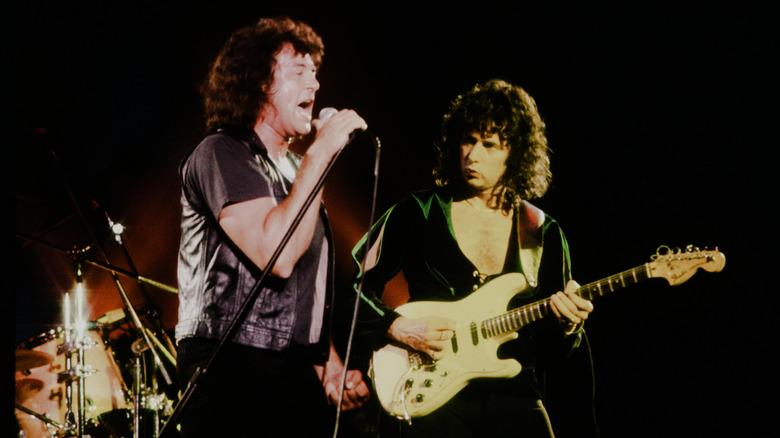
In 1975, Australian rockers AC/DC had recently hired singer Bon Scott and were still cutting their teeth in local clubs. After a pub gig, a huge opportunity fell into their lap: a last-minute slot at the Sunbury Pop Festival, a Woodstock-like multi-day concert. In addition to rainy weather, tensions flared between the emerging act and headliners Deep Purple. An altercation between one of the fledgling band's managers and a roadie for the more veteran act erupted into a full-on backstage brawl that found AC/DC and their crew squaring off against Deep Purple's road crew and security staff.
Order returned with the agreement that the younger band would go on after the headliners, but that's when there was sabotage. When it was time for their set, AC/DC found their gear had been taken off stage, leading to more fighting. Ultimately, the Australian band never played the festival, missing out on a chance to perform alongside internationally established acts for thousands. But rather than sink them, this episode buoyed their hard-rock reputation. In an interview with the Australian Broadcasting Corporation, AC/DC guitarist Angus Young recalled, "... the next day that was all you read about: 'AC/DC in brawl with Deep Purple.' In the end it elevated us" (via Ultimate Classic Rock).
Sly drops Bob Marley from the tour
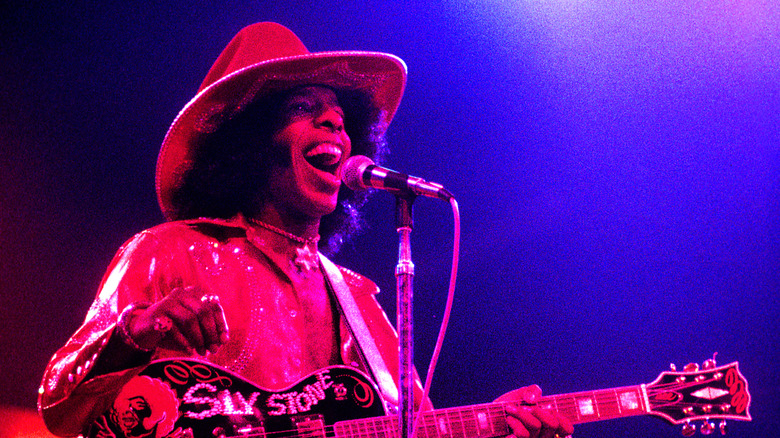
Before the dorm-room posters and T-shirts, Bob Marley and his band, the Wailers, were invited to open for Sly and the Family Stone on a 17-date leg of a 1973 tour. At the time, the Jamaican artists had put out their first album, "Catch a Fire," but weren't well-known in the U.S. A pairing with the legendary psychedelic, soul, and R&B act was a golden opportunity to change that. But within five stops, the up-and-comers were kicked off the bill.
As to why it happened, there are at least two sides to the story. According to some, Marley, Peter Tosh, and the other Wailers were so impressive that Sly Stone got jealous — another case of a veteran band feeling threatened by upstarts. However, others maintain the audiences didn't (yet) know what to make of the Jamaicans' reggae and roots rhythms. In Eddie Santiago's biography, "Sly: The Lives of Sylvester Stewart and Sly Stone," Marley's tour manager, Lee Jaffee, explains, "We just played and everybody sat there" (via Boundary Stones). It's hard to imagine.
Whether due to professional envy or perceived necessity, the big break with state-side audiences that Marley and the Wailers sought was deferred. But not for long. By the end of that year, they'd release the "Burnin'" album, featuring "I Shot the Sheriff," marking their true arrival as reggae stars.
Rush tries to make the Runaways slip
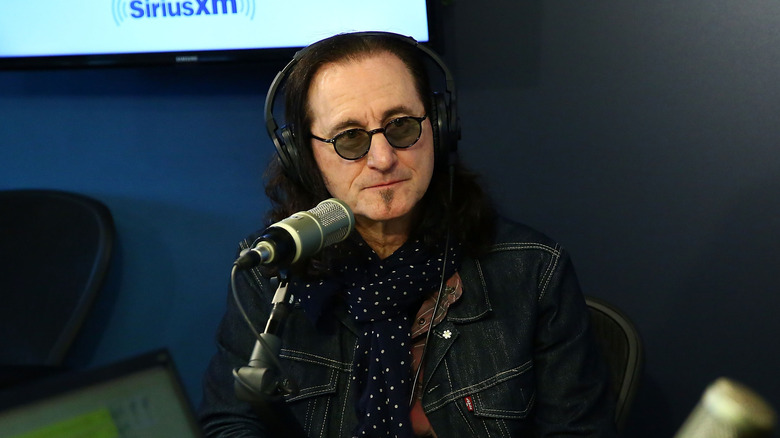
We all know that rock in the '70s was a boys' club. That added to the many challenges faced by hard rockers the Runaways. As an all-female group, their music was often dismissed by critics, and their playing underrated. On the "WTF" podcast, guitarist and vocalist Joan Jett recalled one of her guitar teachers putting it bluntly, telling her, "Girls don't play rock 'n' roll." Sexist attitudes like that sometimes put the band in the crosshairs of larger, more established — and male — acts. In an interview with Juice Magazine, Jett recalled, "[T]here were definitely bands that had a problem with us." That likely fed into an infamous case of rock 'n' roll sabotage at a Rush concert in Detroit, Michigan, in 1977.
During the Runaways' opening slot for the Canadian prog rock giants, lead singer Cherie Currie remembers the headliners cackling and throwing sheets of paper on stage. As she landed a stage jump in platform boots, she slipped on one of the sheets, almost tumbling into an orchestra pit full of photographers. "I could have been paralyzed. I'm not exaggerating," she told The Metal Voice. "So that's why Joan and I in particular don't care much for them." In an interview with Prog in 2013, Rush's Geddy Lee maintained he "had no bias against them because they were girls" (via Far Out). But he added that he wouldn't have been at the side of the stage anyway because the Runaways weren't even worth checking out. It seems time can't heal some rock 'n' roll wounds.
Aerosmith tries and fails to cut Kansas's power
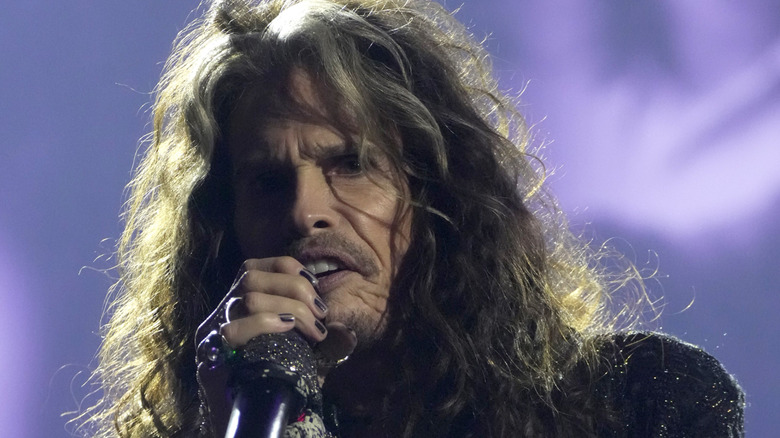
Opening for Aerosmith in the mid '70s as the band surged into the spotlight could be a tough gig. For one thing, the Boston rockers were hitting their stride with audiences: an act that'd be hard to upstage. But for another, lead singer Steven Tyler "had a problem sometimes with the [opening] bands going over a little too well," guitarist Richard Williams told AXS TV, adding, "We were told that sometimes, he will come out and unplug the band." It sounds like he may have been a rock star you wouldn't want to meet in life, at least back then. So when Williams' band Kansas scored that perilous support slot on the "Toys In The Attic" tour in 1975, they were prepared.
A tour stop in the band's namesake state — in front of a rapturous crowd of homegrown fans — set the Aerosmith singer over the edge. Cue the sabotage. Mirroring the complicated riffs and song structures that define their progressive rock sound, Kansas was downright crafty. "So, what we did was, we ran dummy lines to where he could get to. And we ran our main power to another direction," Williams explained to AXS TV, "[Tyler] came out there to stop our show, and it didn't work." There was a lot of competition in '70s rock 'n' roll; it was an especially cut-throat, dog-eat-dog business back then. But in a wayward way, Kansas figured out how to carry on.
Courtney Love rains on Kathleen Hanna's Lollapalooza
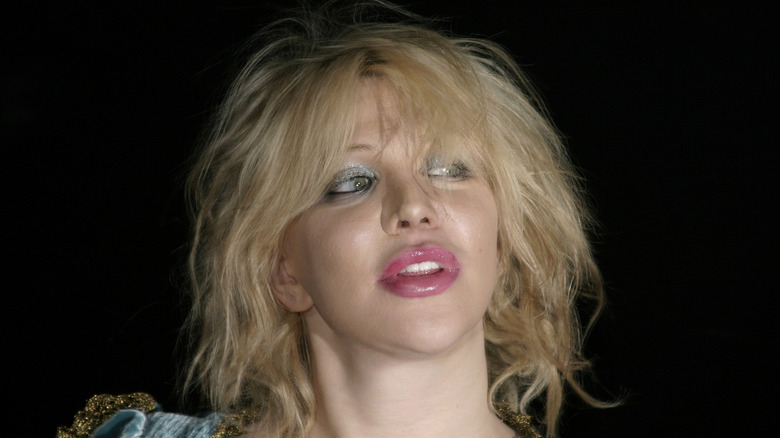
Courtney Love has never shied away from being provocative and confrontational with other musicians. Often overshadowing her music and songcraft with Hole were bitter feuds like those with exes Trent Reznor of Nine Inch Nails and Smashing Pumkins' Billy Corgan, with Nirvana and the Foo Fighters' Dave Grohl, and with fellow female rockers. One of the bitterest of these is with Kathleen Hanna of Bikini Kill and Le Tigre. The smoke from their infamous run-in backstage at the first stop of the Lollapalooza Tour in 1995 — with Hole at the peak of their popularity, and Bikini Kill emerging from the underground — still billows.
The darkest cloud for Love at the time was the loss of her husband Kurt Cobain the year before. "Courtney was obviously ... going through a lot of stuff emotionally, and mourning publicly in everybody's face," Hole guitarist Eric Erlandson told the Washington Post. As to what exactly happened that 4th of July, Erlandson remembered Love throwing candy at Hanna and a half-hearted slap "in the direction of her face." Bassist Melissa Auf der Mauer added there "may have been a shove," but mostly recalled that the riot girl "screamed at the top of her lungs: 'I challenge you to a feminist debate in any university in America!'"
Whatever happened, the rock star and the feminist punk rocker didn't click. And the beef, perhaps overcooked, still simmers. According to Stereogum, when Bust Magazine excitedly posted on Instagram about Bikini Kill's reunion tour in 2023, Love sniped: "Biggest hoax in history of rock 'n' roll," before calling Hanna a "diy nonsense dilettante." Ouch.
Kurtis Blow disses Roxanne Shante
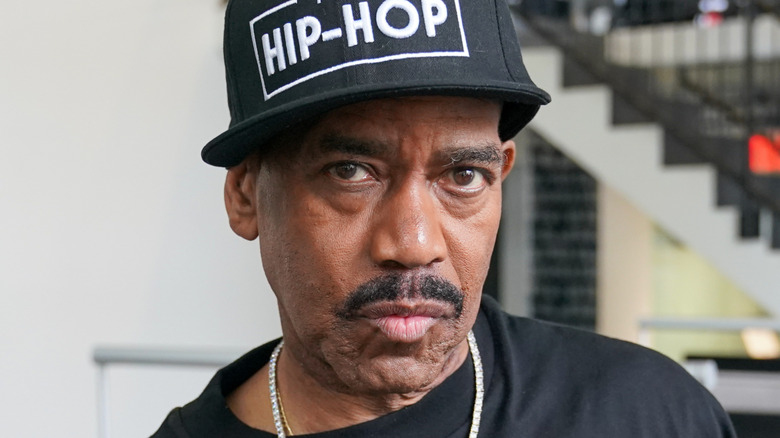
File this one, from hip-hop's early days in the '80s, in the "sabotage due to sexism" file. Hailing from Harlem, New York, Kurtis Blow, aka Kurtis Walker, is one of the culture's trailblazers. At just 20 years old, he became the first rap artist to sign to a major label, and in 1985, he hit a commercial peak with the classic hit "If I Ruled the World." No doubt, this made Blow — who'd also make a name producing acts like the Fat Boys — a gatekeeper in the young but growing world of hip-hop.
Enter Roxanne Shante, a 15-year-old emcee with a reputation for eviscerating her rivals in street rap battles. When she found herself in the final round of the MC Battle for World Supremacy, a contest to best freestyle rapper, Blow was sitting on the panel of judges. By all accounts, she bested her older and more-established opponent, Busy Bee, but the final scores showed otherwise. Blow rated her low — a 4 out of 10 — robbing her of hip-hop glory.
Years later, Shante confronted him about the snub. In the documentary "Roxanne, Roxanne," she remembers him telling her that in a time when rap artists were just breaking into the mainstream, "For the sake of hip-hop, there was no way that a 15-year-old girl could be the best" (via Vice). That night, she clearly was, even if older heads weren't ready to admit it.
Porter Wagoner picks on his protege Dolly Parton
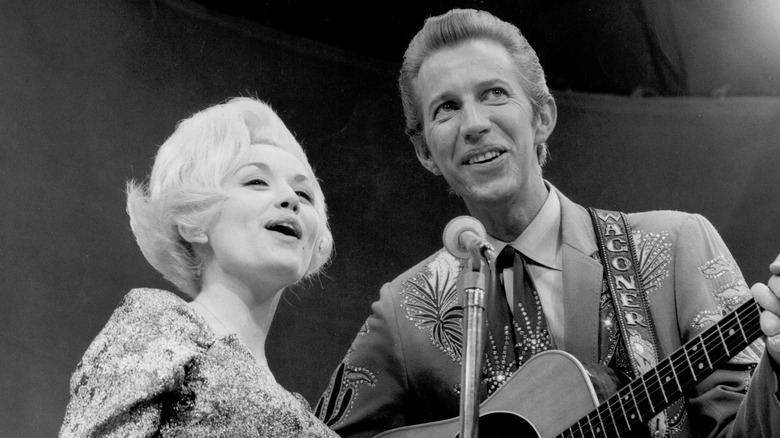
It's hard to believe Dolly Parton ever played second fiddle. But an iconic country superstar and glass ceiling breaker isn't born this way; she had to fight to get there. In 1967, many first got to know Parton as a singer regularly featured on country star Porter Wagoner's comedy and music TV show. On air and in recording studios, the two hit it off and took over. Parton's first duet with Mr. Grand Old Opry (as he was known), "The Last Thing on My Mind," hit No. 7 on the Billboard Hot Country Singles charts in 1968, kicking off a remarkable run of chart successes.
But behind the scenes, there was jealousy on Wagoner's part, and, according to Dolly, good old-fashioned sexism. "I don't mean this in a bad way, so don't play it up that way," she told the LA Times in 2008, "but he very much was a male chauvinist pig." With his own string of country hits dating back to the early '50s and control of the show she worked on, Wagoner was stifling throughout their seven years working together. There was a pecking order Parton didn't like, which led to tension and shouting matches. "I'd pitch a damn fit. I wouldn't care if it killed me," she recalled to the LA Times.
In 1974, when Parton's solo career was taking off, she left the show and ended the partnership, and the two became estranged. Five years later, Wagoner sued for breach of contract, eventually settling out of court. Bad as it got, the two did reconcile, and Dolly was with him when he passed in 2007.
Nas skips the recording session and gains a beef with Jay Z
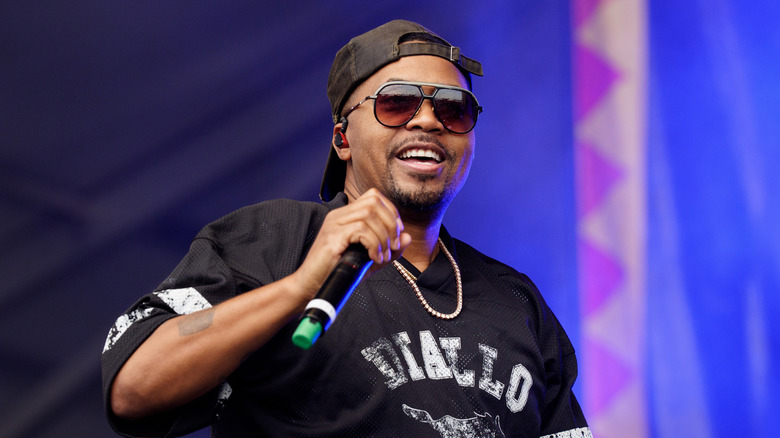
While one-upmanship drives all forms of musical and creative expression, it's undeniably part of hip-hop's DNA. Even as the art form continues to evolve from its origins in '70s street parties and rap battles, it will always be an outlet for the creative (and sometimes personal) rivalries that scholars call "beef." Queens-based rapper Nas lyrically left a trail of lesser emcees on his climb to the zenith of New York City hip-hop, which he hit in 1994 with his iconic debut album "Illmatic." But the meat was just starting to cook.
We don't know why he skipped the recording sessions for Jay-Z's 1996 debut "Reasonable Doubt," but we do know that this slight set things off. The blow-by-blow you hear in diss tracks and rap references. Producer Ski Beatz sampled from "Illmatic" on the track "Dead Presidents II" on Jay's album. In turn, Nas referred to the younger emcee's ride (a Lexus with a TV) with an apparent lack of respect on his follow-up "It Was Written." The verbal jousting continued for years.
In 2001, Nas released the song "Ether" on Jay Z's birthday, setting a benchmark for lyrical disrespect. Within a week, Jay shot back with a freestyle "Super Ugly (I Got Myself a Gun)" that included lines about Nas's partner at the time, Carmen Bryan: real below-the-belt stuff. It was so explicit that, as Jay Z told New York's Hot 97 radio station, "Mom put in a call and said, 'That went too far'" (via Complex). He listened.
Cheetah Chrome tries to bully Mark Mothersbaugh and gets kicked
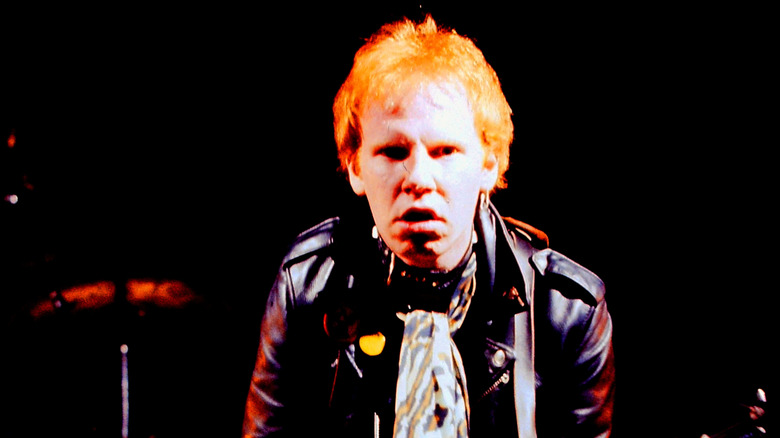
Devo and Dead Boys had a lot in common. Both bands were from Northeastern Ohio and channeled nonconformism and rebellion in their music. But the very different ways each did that underscore how much separated them, and a rivalry developed. It had schoolyard characteristics. Dead Boys were the upper-classmen jocks: gritty, first-wave punk that rocketed from Cleveland in 1976 to become the cream of the CBGB's crop of bands. To guitarist Cheetah Chrome, the quirky, arty quartet in early Devo and their perky, devoted early fans were weird and pretentious college kids. They were nerds.
"It looked strange and a little cultish ... I have to admit I just didn't get it," he said of the first time the two bands gigged together during a National Library Week talk in 2007. When they played again not long after at a 1976 New Years' show at Akron, Ohio's Crypt Club, Chrome got carried away during a rendition of early Devo classic "Jocko Homo." "I just went up front and pulled down his gym trunks, and a bunch of his fans started hitting me," he recalled in a 2010 interview with the Phoenix New Times, "It's been blown way out of proportion over the years." That may be true, but it looks like that night, the nerds got revenge.
50 Cent cans the Game live on air
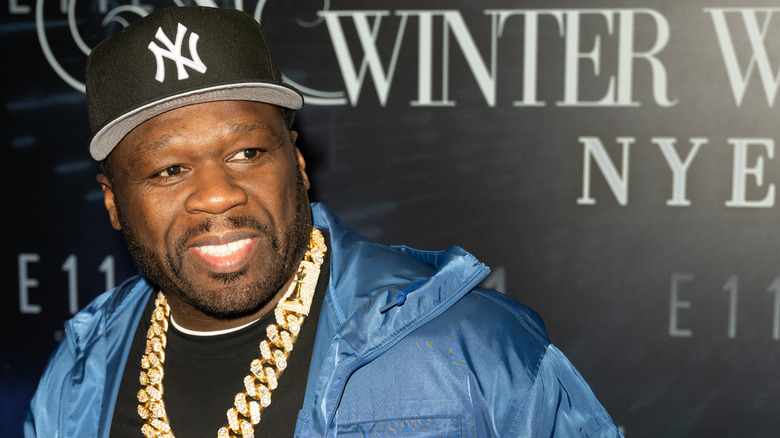
It wasn't an easy road to hip-hop superstardom for the Queens, New York native 50 Cent (Curtis James Jackson III). Before rapper Eminem signed him to his label and kick-started his career, he'd been incarcerated, shot multiple times, and had his first album "Power of the Dollar" shelved. But by 2003, he and his crew of emcees, G-Unit, had established themselves. Recently signed to their label, Compton, Calif. rapper The Game (Jayceon Terell Taylor), was put under their wing.
A big part of the G-Unit gig was full loyalty and support for 50 Cent in his various (and numerous) rivalries with other artists. But that's where issues arose. When their leader put out "Piggy Bank," a song lashing out at Fat Joe, Nas (often a target), and others, The Game wasn't feeling it. That didn't sit right with 50 Cent, who proceeded to kick the younger rapper out while they were live on air on Hot 97. It got even uglier, as shots rang out outside the studio involving members of The Game's entourage.
The beef that followed — between East and West coast rappers, no less — flared up both in barbed lyrics and sometimes violent altercations. "I was almost 100% sure that me and 50 was gonna die in that," The Game told Vibe. Thankfully, the two survived, and, at a press conference in an LA strip club in 2016, they announced they'd made peace. No doubt, reconciliation tasted better than beef.