

5 Classic Albums That Define Folk Rock
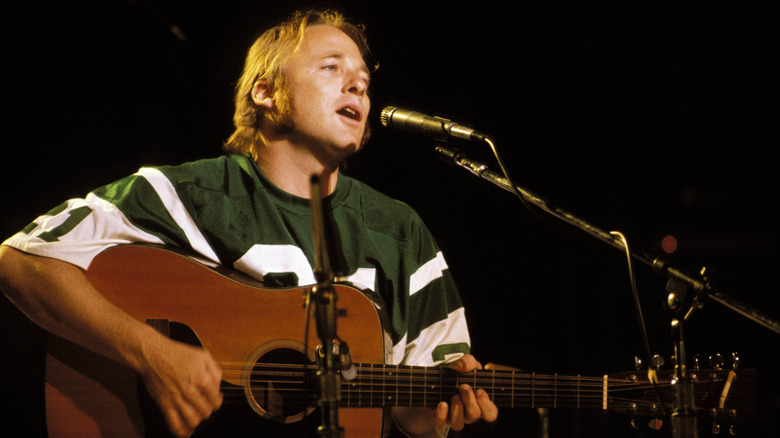
Folk rock emerged in the 1960s and early '70s as an essential subset of rock 'n' roll. And though there are dozens of notable works across the genre's now storied history, there can only be so many albums that truly defined the genre. Folk rock's claim to fame is blending multiple distinct styles into a cohesive whole, creating a movement that mixed genres, instruments, and philosophies of music that took off with seasoned fans and emerging listeners of rock 'n' roll alike.
In terms of remembered greatness, the genre yielded results both after its rise in popularity and over time. For this list, we're looking back on some of folk rock's most memorable and storied albums that each have a part to play in turning the style into how we view it today. Some of these albums from rock 'n' roll legends went down in history or topped charts, and some have become more cult classics, but each of these five selections showcases a distinct, important side of folk rock, helping to define what the genre is and can be.
Blonde on Blonde — Bob Dylan
Though a number of his mid- to late-'60s albums could be considered for this list, Bob Dylan's most essential contribution to the genesis of folk rock is 1966's "Blonde on Blonde." The sound-shifting album was conceived and recorded in Nashville, and he incorporated a variety of sounds into this record that has become an undeniable classic. "Blonde on Blonde" blends some of the most rambunctious, fun, and silly music Dylan recorded with some of his most colorful and poetic, all while maintaining a calculated pace and feel throughout the track list. It's the home of some of the best folk rock love songs, notably with underrated tracks like "Sad-Eyed Lady of the Lowlands" or hits like "I Want You."
Dylan's free-flowing voice is all over the place on this album. With that said, its ventures are certainly fruitful, and his unique sound among the many excellent songs of this album (which notably include "Stuck Inside of Mobile with the Memphis Blues Again" and "Visions of Johanna") has left a distinct mark. This style inspired a number of artists that followed, including George Harrison of the Beatles, and its landmark influence on pop and folk rock music alike, particularly where they mix, is hard to understate.
All Things Must Pass — George Harrison
Perhaps partially inspired by hearing "Blonde on Blonde," though it came four years after the album and just a few months after the breakup of the Beatles, George Harrison released his third solo record, "All Things Must Pass." The 1970 album featured the hit "My Sweet Lord," one of Harrison's most iconic solo songs, which spent four weeks at No. 1 on the Billboard Hot 100. "All Things Must Pass" brought a fresh sound to folk rock, mixing popular Beatles-sounding material with Harrison's more relaxed, singer-songwriter evolution.
"All Things Must Pass" is simultaneously chilled out and philosophical over its lengthy runtime, which is about two regular albums in length. Harrison's blend of soft rock with his many folk and traditional influences created a lush, gentle sound that became its own lane of folk rock. Standout tracks on the album include "I Live for You" and "Behind That Locked Door," but there's truly not a moment wasted on this exceptional LP. "All Things Must Pass" is perfect for a meditative, easy listen at any time you need a moment to yourself, and Harrison's innovative songwriting and composing still feel fresh to this day.
The Band — The Band
The rock 'n' roll group known as the Hawks broke onto the recording scene with its 1968 album "Music from Big Pink." But the band cemented its place in folk rock history with its LP one year later, a self-titled album under a new name, the Band. There are many shades of folk rock classics on this album, most notably the original edition of "The Night They Drove Old Dixie Down," written by Robbie Robertson, which would later become a Top 3 Hot 100 hit for Joan Baez.
On the album itself, "Up on Cripple Creek" and "Rag Mama Rag" both also charted well, as fans of the time certainly appreciated the unique blends of roots and folk that found their way into the Band's rock 'n' roll. The album is vocally unique, instrumentally live, and captures this late '60s moment of Americana that still feels alive today, thanks to the music. There's not a group as synonymous with folk and roots rock as the Band, and this self-titled record helped define the years of the genre to come.
Déjà Vu — Crosby, Stills, Nash & Young
Crosby, Stills, Nash & Young, folk rock's resident supergroup, reformed with the addition of its fourth member and released its debut album in the spring of 1970. But it wasn't a first attempt for the members of this now renowned band. "Déjà Vu" was perhaps always destined to leave its mark in folk rock, especially with Neil Young and Stephen Stills being former members of formative '60s band Buffalo Springfield, David Crosby hailing from the Byrds, and Graham Nash from the Hollies.
This group and album were the natural evolution of folk rock, and early '70s fans agreed. The LP spawned a trio of successful singles — "Our House," "Woodstock," and "Teach Your Children" — and hit the No. 1 spot on the U.S. Billboard's albums chart. The sound of Crosby, Stills, Nash & Young is simultaneously twangy and sweet, with nearly sleek moments built upon its often lax, live feel. "Déjà Vu" is the pinnacle of the musicians' work as a collective, and the sounds the supergroup cultivated on this 1970 record helped inspire many artists and styles to follow.
Bookends — Simon & Garfunkel
Simon & Garfunkel blended many elements of pop, rock 'n' roll, and traditional folk across the band's reign as the ultimate duo of the '60s, but it was the short 1968 album that best made clear the pair's affluence for folk rock. "Bookends" was the album that really cemented the act's influence after its earlier 1960s success, and it spent a stellar seven weeks at No. 1 on the Billboard albums chart in '68. It was also headlined by one of Simon & Garfunkel's three No. 1 hit singles, "Mrs. Robinson," a folk rock turned pop masterpiece that topped the charts for three weeks. This song itself represents the importance of the album, in particular the folk rock style it used in harmony with its catchy pop chorus to immense levels of popularity.
"Bookends" is filled with other quality songs, including "America" and "A Hazy Shade of Winter," and doesn't waste a moment across its 30-minute runtime. The duo's soft and light vocals shine over the mostly acoustic instrumentation and gorgeous production, and their emotional effects are boosted by the record's emphasis on an overarching narrative. This album is among the peaks of Simon & Garfunkel, an essential part of bringing folk rock to the masses, and an undoubted classic that holds up to this day.