

The No. 1 Song On July 28, 1984 Sounds So Much Cooler Today
We may receive a commission on purchases made from links.
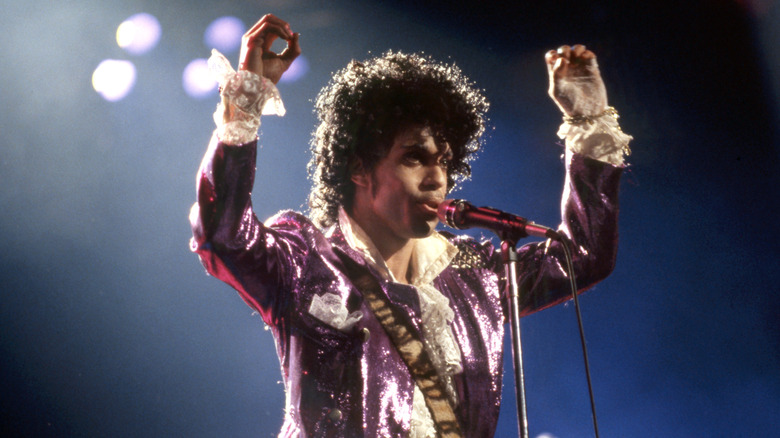
"Why do we scream at each other? / This is what it sounds like / When doves cry." This part never gets old. Maybe that's why Prince's conflicted love song held the No. 1 spot the longest in 1984. As it so happens, "When Doves Cry" was also the top dog on the Billboard Hot 100 on July 28, 1984. Sure, the '80s produced enough cheese for an all-you-can-eat fondue, but there are classics such as this one that forged a connection with the human soul that only gets stronger as time passes.
Spending five weeks at No. 1, "When Doves Cry" lays a strong claim to being Prince's greatest song — and there are many Princelings who would agree. The track comes off Prince and the Revolution's 1984 album "Purple Rain," which climbed to the top of the Billboard 200 chart and spent a jaw-dropping 24 weeks in that position. Lest we forget, this record produced hit singles like "Purple Rain," "Let's Go Crazy," and, of course, "When Doves Cry."
While it's difficult to pinpoint a bad Prince song — since he was one of the most talented musicians ever — there's something extra special about "When Doves Cry." Unlike the track's topic, which is about a tumultuous relationship, this is the perfect union of music and lyrics.
The lyrics of When Doves Cry
Listening to Prince's "When Doves Cry," it isn't too difficult to gauge what it's about. This is the emotional unloading of what happens when love falls apart. The song's protagonist relates this decaying relationship to his parents' own rocky marriage with lines like: "Maybe I'm just too demanding / Maybe I'm just like my father, too bold / Maybe you're just like my mother / She's never satisfied," essentially asking if this couple is doomed to repeat the same mistakes. The track also features in a scene from the "Purple Rain" movie, starring Prince, which showcases these exact events play out while "When Doves Cry" simmers in the background.
According to Per Nilsen's "Dance Sex Music Romance: Prince: The First Decade," the song is rooted in reality and based on Prince's relationship with musician Susan Moonsie. Nilsen quoted one of Moonsie's friends who said, "He had seen a lot of people, but Susan was always kind of his number one. She was always around. Prince and Susan had a big argument, a falling-out, and she cried, and it was very, very sad. That's when they sort of officially decided to break up."
Whenever it comes to the topic of love, the actors change, but the plots stay largely the same. That's why Prince's exploration of its messiness and complexity transcends generations. Everybody who has ever been in love can relate to these feelings and questions that he poses in "When Doves Cry."
The music of When Doves Cry
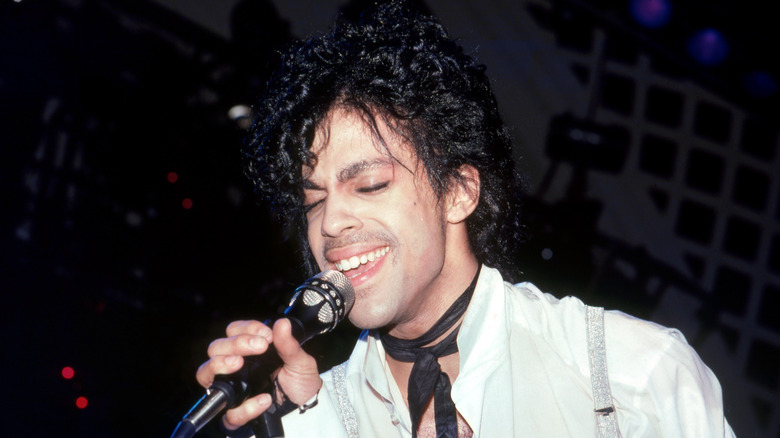
As a talented multi-instrumentalist, Prince possessed the uncanny ability to do it all himself and find the specific sound that danced in his head. From a structural perspective, "When Doves Cry" isn't the most technical song that Prince ever composed. However, it's a track that understands less is more, being driven by a basic drum track and Prince's soulful voice, as other elements, such as the keyboard notes, pop in and out of the song sporadically.
There's also something distinctively missing from "When Doves Cry": the bass line. It had been recorded, however, Prince felt something was off, according to sound engineer Peggy McCreary's comments in "Dance Sex Music Romance: Prince: The First Decade." "Something was bothering him about it, but he couldn't put his finger on it at first," McCreary said. "Finally, he reached over and punched out the bass track. That's when we knew we had something special. He said something like, 'Nobody would have the balls to do this. You just wait, they'll be freaking.'"
It turned out to be a stroke of genius, as this made the other parts of "When Doves Cry" stand out more. All of a sudden, it sounded different to everything else around it — and to this day too, since much modern music relies on bass. While "When Doves Cry" might have been one of the biggest Grammy snubs of the '80s, it's an enduring classic showcasing an artist who became a symbol of music.