

5 Recording Studios Every '70s Diehard Would Give Anything To See
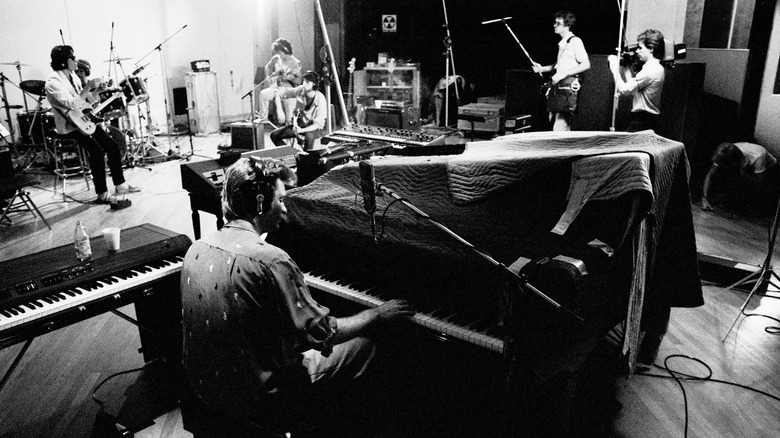
To the music production devotee, there's nothing more tempting than a peek inside the modern recording studios where some of the most iconic records of the '70s were created. These temples of song hold more than just the mechanical inner workings of the record-making process. They also store the memories and energy of the musicians who hunkered down for weeks on end, fine-tuning their performances and honing their sounds while turning their tunes into physical products that shaped the industry. For music fans who've followed along for decades, it's almost as if you can capture the magic if only you could get beyond the doors — and if they all were still in business.
Naturally, a few of these studios are situated in California, where music recording is a stock industry. But NYC, Memphis, and London have always been part of the recording scene too, which gives them prime studios used by some of the biggest names in the business have produced historic works we all still listen to today. And in instances like Jimi Hendrix's Electric Lady and the Beatles-famous Abbey Road, the studios have become synonymous with the acts who favored them. For those who have turned off the control panel for good, legends and memories of the musical greatness created there are all that's left — in addition to the recordings that live on.
Abbey Road
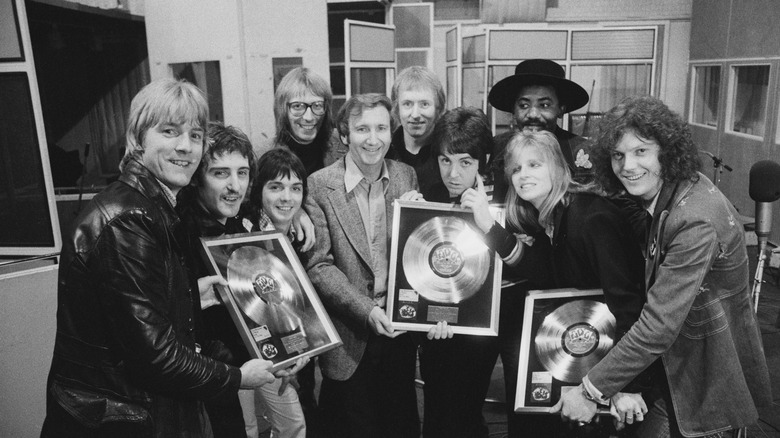
One of the most renowned recording studios anywhere in the world, London's Abbey Road Studios cracked open its doors in 1931 and has been rolling tape ever since. It was originally a nine-bedroom residence that was purchased by The Gramophone Company and renovated it over the course of two years, transforming it into the world's first recording studio. This was where the Beatles fostered sounds that made them worldwide superstars, a large yet nondescript building that holds the distinction of being the world's first recording studio. Of the Fab Four's 210 recorded songs, 190 were produced at Abbey Road, making this the band's official rock 'n' roll headquarters.
Through its nearly 100 years in operation, Abbey Road has hosted top-tier acts like Pink Floyd and their multi-layered '70s masterpiece "Dark Side of the Moon." Deep Purple and Elton John have also turned knobs and twisted dials to hone their sounds while producing some of their finest works. More recently, movie scores and video game soundtracks have also been captured here, expanding the studio's capability to immerse the world in music from all directions.
But the studio has an even deeper connection to the culture of rock music. The crosswalk outside the studio was immortalized on the historic Beatles "Abbey Road" album, with Paul McCartney walking barefoot through the street. Recreating the photo as safely as possible is a pinnacle moment for any rock fan who makes the pilgrimage to this production tabernacle.
Sunset Sound
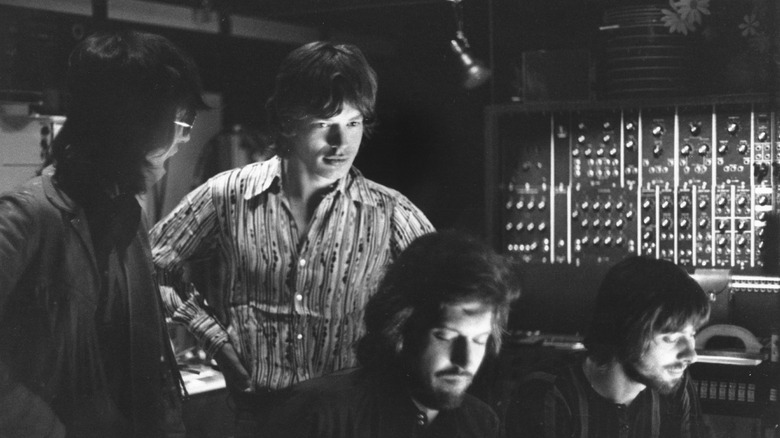
The historic Hollywood studio Sunset Sound was started in 1960 by Salvador Camarata, a Disney sound director who took on the task when Walt Disney himself signaled interest in starting a dedicated sound studio. Camarata found an old mechanic's garage that had ideal interiors to become a premium recording facility and turned it into an oasis for audio artworks. Initially, movie soundtracks for Disney classics like "101 Dalmatians" and "Mary Poppins" were crafted there. By the '70s, the greats of the rock world were flocking to Sunset to lay down tracks, drawn to the quality of the equipment and the sense of privacy offered by the studio.
The studio's website boasts a Who's Who of rock 'n' roll A-listers, pinpointing the rooms in which these peak '70s acts conjured some of their most stellar works. Van Halen, Tom Petty, the Beach Boys, and Jackson Browne are some of the names who hunkered down in Studio I, while Bob Dylan, Led Zeppelin, and Neil Young made sweet music in Studio II. And in Studio III, legends like Dolly Parton, Fleetwood Mac, and Earth, Wind & Fire made trailblazing music that still lights up the world.
Rock fans dying to see behind the curtain don't have to trek all the way to Hollywood for a peek. There's a 360-degree video tour of all three rooms available on the Sunset Sound website. You can glide through the halls and imagine your favorite acts hard at work on the tunes you love.
The Record Plant
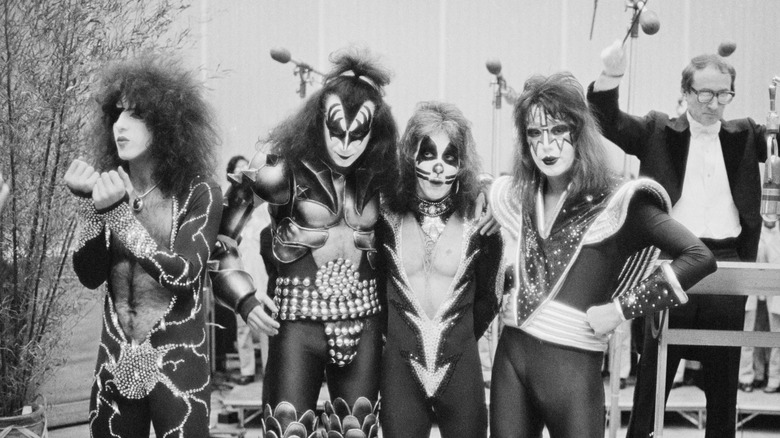
The Record Plant launched in 1968 as a premium space for capturing the sounds of the time and quickly became a go-to rock production haven. The studio lays claim to churning out the most Grammy-winning music and hit tunes of any studio anywhere. With locations in Sausalito, Los Angeles, and NYC, this high-tech wonderland has welcomed acts of all stripes and sounds in its decades of top-shelf production service. The Sausalito site was where golden rock queen Stevie Nicks wrote her masterpiece — and Fleetwood Mac's only No. 1 hit — 1977's "Dreams," while on a break from recording vocals for the band's tempestuous "Rumors" album.
The artists who've made albums here are as diverse as the flavors of rock music. Kiss recorded "Love Gun" at the NY studio in 1977. "Bruce Springsteen cranked up his catalog here with his timeless "Born to Run" album from 1975 (however, the song "Born to Run" was recorded at 914 Sound Recording Studios in NY). The Eagles cobbled together their 1976 "Hotel California" album, and Debby Harry led Blondie into new wave celebrity with their trailblazing "Parallel Lines" recordings in 1979. Chances are, if you've spun a disc or queued up a track by your favorite '70s musical act, they've been part of the Record Plant legacy at some point.
Sadly, the Record Plant shuttered its LA location, the last of the chain, in 2024, citing modern tech as a studio-crusher. But that can't erase the all-consuming collection of rock classics that were created there, or the proper '70s music fan's burning desire to have a look inside. Online photos will have to suffice.
Electric Lady
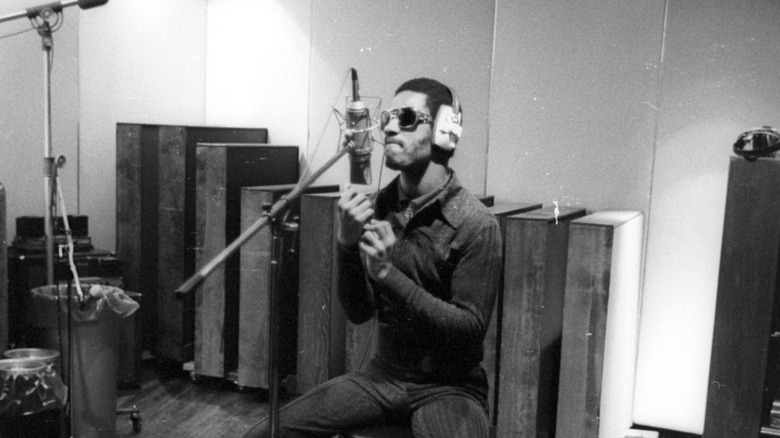
In 1968, rock god Jimi Hendrix bought a Greenwich Village club called the Generation, a spot where he used to join in on jam sessions. His intention was to revitalize it as a spot for live music, but his advisors convinced him to go in a different direction and turn it into a recording studio instead. Two years later, Electric Lady became the sole studio anywhere that was owned by a recording artist — and one of the all-time rock music greats, at that. Icons like Patti Smith, Ron Wood, and Steve Winwood were on hand at the newly launched studio, which would become a haven for musical creativity.
Of course, Hendrix recorded his music at Electric Lady in the years before his tragic death, as did world-class acts like the Rolling Stones, who partially assembled their classic "Tattoo You" album there; David Bowie crafted "Young Americans" in the studio too; and Led Zeppelin mixed some of their quintessential '70s tracks on-site. The history of the studio is papered with the diverse names who've passed through Electric Lady on the way to '70s musical stardom, everyone from Kiss and Frank Zappa to Hall and Oates and Stevie Wonder.
If you're in the Big Apple, you're out of luck if you're hoping to check out Electric Lady. The studio is closed to the public, available only for recording in one of the five state-of-the-art rooms. You'll have to close your eyes as you revisit your '70s L.P.s and imagine what the sessions recorded there looked like.
Muscle Shoals
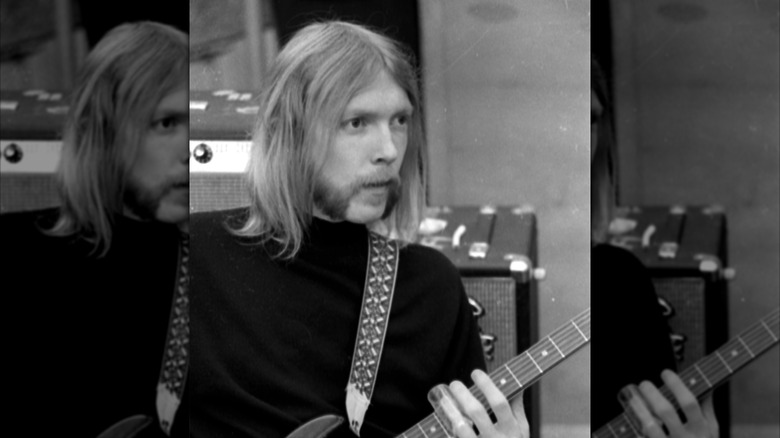
This Alabama-based studio was founded in 1969 by the legendary Muscle Shoals Rhythm Section, a backing group of studio musicians who made their services available to anyone who recorded there. These players had made a name for themselves backing up R&B maestros like Wilson Pickett and Aretha Franklin. No other studio musicians owned and operated a recording studio, which gave Muscle Shoals an edge in the industry. Not only could artists set up their sessions there, they could book one of the finest combos to lay down tracks as their band if they wanted to.
What sorts of '70s tunes were recorded at Muscle Shoals? How about the Rolling Stones' 1971 classic "Wild Horses" and Paul Simon's 1973 hit "Kodachrome" for a few banner accomplishments? Between 1969 and 1978, these studio specialists appeared on a stunning 200-plus albums. Their sounds helped shape the recordings of major names of the '70s like Bob Seger, Willie Nelson, Linda Ronstadt, Rod Stewart, and Lynyrd Skynyrd, among myriad others.
Muscle Shoals became bigger than the original property could accommodate, leading to a few moves over the decades. Currently, the studio has been taken over by the Muscle Shoals Music Foundation, a not-for-profit that keeps the facilities financially solvent while helping promote music education in the South. A major restoration launched by Beats founders Dr. Dre and famed producer Jimmy Iovine revitalized the studio, reopening the doors in 2017 and turning it into a destination for music fans worldwide to visit.