

5 Things Every New Collector Should Consider Before Buying A Vinyl Record Player
We may receive a commission on purchases made from links.
There's just something about vinyl records that makes it seemingly impossible for them to go the way of the dinosaurs. Even after the advent of digital music streaming in the mid-2000s, vinyl somehow managed to bounce back from decades of declining sales. In fact, it has become commonplace for contemporary artists to release vinyl versions of their new albums. Now, you might be thinking of starting a vinyl collecting hobby, which of course necessitates buying a vinyl record player. But the entire purchasing process can be daunting to a beginner; both the initial investment and subsequent record purchases can be quite costly. So it's important to make a list of things to ask yourself so that you don't end up spending more than you need to as you embark on this brand-new audiophile journey.
Admittedly, there is no shortage of guides on the internet that cover everything from the best vinyl record setups for beginners to highly-rated vinyl record players that are worth the money. Ultimately, though, the most significant factors that should influence your decision to buy a specific record player are the ones directly connected to your listening preferences, budgetary restrictions, and even your everyday habits. With all that said, buying a vinyl record player shouldn't exactly be a gargantuan endeavor. Then again, since it's (ideally) going to be the one constant in your collection — the key piece that would make your hobby possible in the first place — getting the best model for you definitely matters.
Where do you want to listen to your vinyl records?
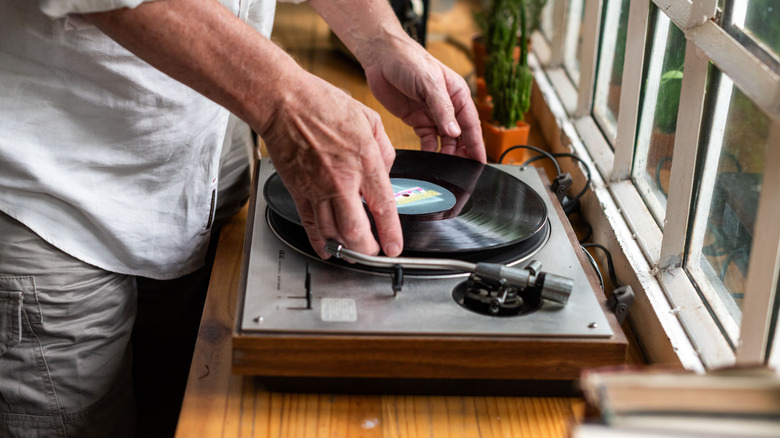
Chances are, your mental image of a vinyl record listening session involves you sitting in the comfiest chair in your house, perhaps by the window or near a fireplace, and just playing your favorite record. But achieving an ideal vinyl record setup isn't as straightforward as listening to a CD player or songs on your computer — and it's not just about the acoustics of the area you'll convert into your listening room or where you'll put your record collection.
Because of the way vinyl records are played — the record player's stylus (needle) travels through grooves on the record's surface, serving as the blueprint that the record player follows in order to produce the correct sounds — placing the record player on an uneven surface can greatly diminish the audio quality, creating a subpar listening experience. So before you buy a player, make sure to plan where you'll put it, like a table that doesn't rock or a heavy desk with a flat surface.
You also have the option to buy a portable vinyl record player, which is perfect if you plan to use your setup for events. If you foresee this being a regular occurrence, you should consider going for portable options, although familiarizing yourself with their inherent limitations (e.g., reduced sound quality, power requirements, additional equipment needed, etc.) is absolutely a must.
What type or size of records will you be playing?
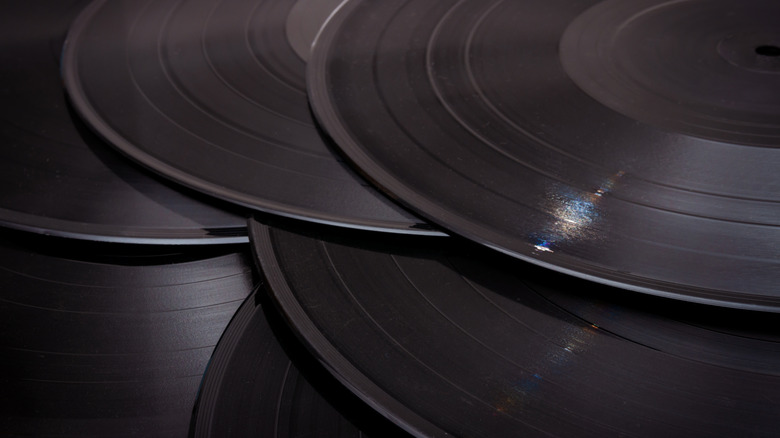
Unlike cassette tapes, CDs, or DVDs, vinyl records come in different sizes and speeds, and not all vinyl record players are designed for universal compatibility. If you play a record on an incompatible record player, expect poor sound quality and possibly even lasting damage to both your record and your player.
The speed at which the record spins on the turntable (measured in RPM, or revolutions per minute) generally varies depending on the time period when the record was manufactured and how many minutes of music it was designed to hold. If your listening preferences lean more toward pre-1950s hits, your record collection will likely be full of the 10-inch, 78 RPM variety, often made of a resin called shellac and capable of storing between three and four minutes of music per side. A full album enjoyer, on the other hand, will end up having more vinyl records that spin at a much slower rate of 33 1/3 RPM (typically with a diameter of 10 or 12 inches), allowing for improved audio quality and roughly half an hour's worth of music per side.
And then there are some 12-inch and 7-inch vinyl records that spin at 45 RPM; with enough room for around five minutes of music, these usually hold high-quality recordings of singles or extended plays (EPs). If you haven't determined which of these formats you prefer, go for a record player that has an adjustable speed dial.
Automatic or manual?
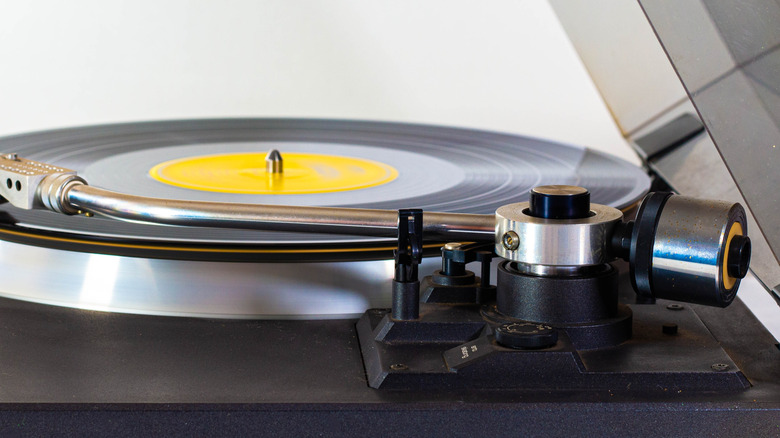
How much of a hands-on hobbyist you are will also determine which vinyl record player you should buy. For people who simply want to place a record on the player, sit down, and listen, an automatic turntable is the best option. This is also the ideal choice for audiophiles who are just getting into the hobby, as well as vinyl record enthusiasts who'd like to enjoy listening to their record collection with minimal risk of scratching or damaging the discs. However, automatic record players are known to have louder playback and diminished sound quality, and also tend to be less budget-friendly.
Meanwhile, manual turntables exist for listeners who want what is arguably the full vinyl record experience: adjusting the tonearm (the bar with the needle), carefully placing it on the record, and lifting it after playback. In addition to this level of control, manual turntables generally offer higher sound quality and a reduced risk of breaking the mechanism (as it has fewer parts due to the lack of automation). However, this can make the playing process tedious — and if you're the sort of listener who likes to sleep or do other things while listening, this setup is unlikely to work out for you. Alternatively, you can buy a semi-automatic turntable, which only requires you to drop the needle on the record at the beginning (it will lift itself up when the record ends); however, it's been observed that the experience isn't that much different from a manual setup.
Where will you buy your vinyl record player?
Much like any other commodity these days, you can easily purchase a vinyl record player over the internet, either on online marketplace websites (such as Amazon or eBay) or social media buy and sell groups. This option works if you're thinking of getting a secondhand player, searching for a rare model, or working within a limited budget. The downsides of choosing this route are pretty much the same downsides that come with any unmoderated digital transaction between two parties, including the possibility of getting a defective product (or no product at all), buying an item with no warranty, or even risks to your safety. Thus, make sure to do due diligence before making a deal on these platforms.
Many major retailers and manufacturers also have their own websites from which you can order the device. These listings typically have all the specs of the available models, as well as reviews from customers who have already purchased and used the product. A potential source of inconvenience, though, is the possibility that the item might take a while to be delivered to you, or get damaged or even lost in transit.
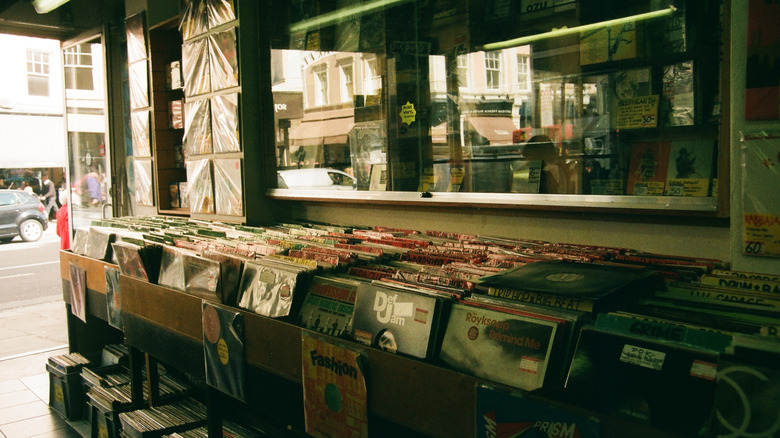
Arguably your best option would be to go to a vinyl record player store and get recommendations from storekeepers. Not only will you be able to get firsthand advice and inspect the item personally before purchasing, but you'll also be able to build a good relationship with the staff, which could be beneficial for you as you gradually acquire more records for your collection.
How much are you willing to spend?
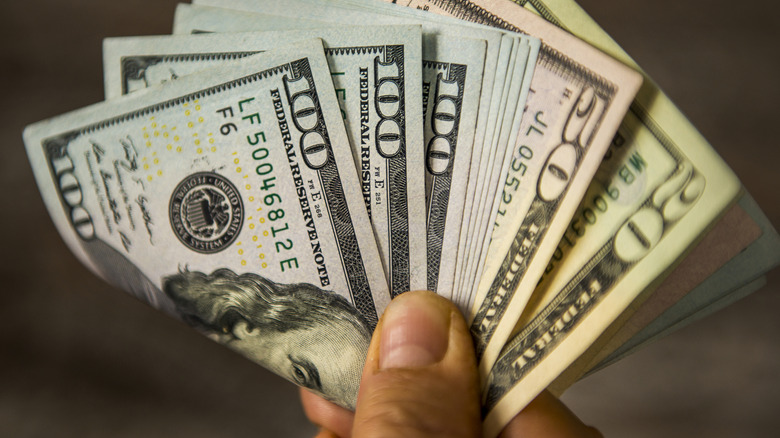
This one shouldn't be a shocker. As with any major hobby investment, it would be foolish to just dive in without at least setting a cap on your budget. For most beginners, an entry-level vinyl record player would perhaps be the best option; expect to spend anywhere between $100 and $300 for a model that gets the job done. For people with slightly more leeway for spending or looking to upgrade, $300 to $700 would be enough for mid-range turntables with more than just basic features. High-end models will certainly cost a pretty penny; prepare to pony up $900 or more for professional-quality record players with all the bells and whistles.
Note, though, that the actual cost of the record player isn't the only thing you should take into consideration as you are figuring out your budget. Aside from the records themselves, you may also need to buy compatible speakers or headphones, a preamp stage (necessary for your speakers to pick up the inherently low signal generated by your record player; some models don't come with this), and other accessories. Lastly, make sure to account for maintenance must-haves (like a carbon fiber brush for cleaning the stylus) or the possibility that you may need to replace some parts or even the entire record player down the line. To manage your expectations, be sure to look into how long vinyl record players usually last with proper care.