

1971 Blues-Rock Song, Recorded By A Stairwell, Is Still A Thunderous Hit 55 Years Later
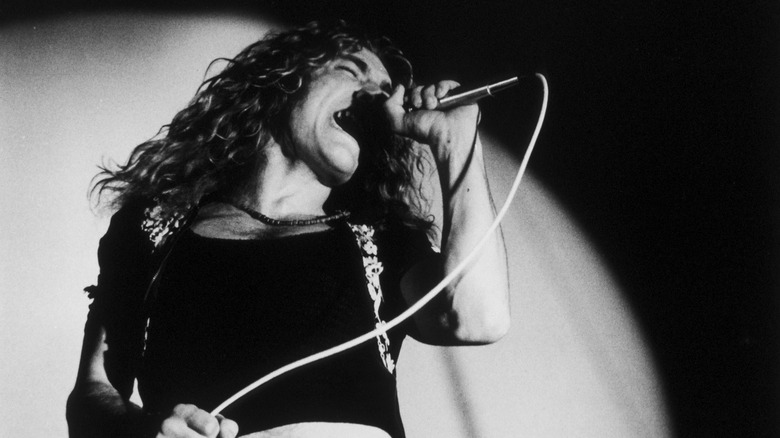
In 1971, Led Zeppelin was on top of the world. They'd already had two No. 1 albums on the Billboard 200 and were touring North America to sold-out crowds. Then in November, they released what would turn out to be not just a massively successful album for the band but one of the biggest-selling rock records of all time. The untitled album, which became known as "Led Zeppelin IV," contained some of their best-known tunes like "Stairway to Heaven" and "Rock and Roll." But it was the album closer, "When the Levee Breaks," which featured John Bonham's thunderous drumming, that became the go-to rock drum sound. It also had a second life after being sampled by hip-hop artists such as the Beastie Boys, and remains a beloved Zeppelin tune.
To record that iconic drum sound, the sound engineer Andy Johns (Jimmy Page also took credit for the idea) set up John Bonham's drum kit right by the stairwell of Headley Grange, a mansion in Hampshire, England, where Led Zeppelin recorded the album. While there is a longstanding myth that the drum sound was achieved solely through the use of the home's acoustics, in reality Johns used two M160 microphones hung from the stairwell, run through compressors and an echo machine called the Binson Echorec, to achieve the famous sound that continues to influence drummers more than 50 years on.
An old blues song turned into pure rock 'n' roll
"When the Levee Breaks" started life as a blues tune written and performed by Memphis Minnie and Kansas Joe McCoy back in 1929. The song is about an actual event — the Great Mississippi Flood of 1927, which was one of the worst natural disasters in American history. In the hands of Led Zeppelin, the song took on a whole new life as a menacing, atmospheric rock song that kept the spirit of the original, yet was all Zeppelin. Besides John Bonham's truly iconic two-bar beat that opens the song, there's Robert Plant's haunting harmonica and plaintive vocals, Jimmy Page's slithering and droning slide guitar, and John Paul Jones' thick yet restrained bass sound.
Still, Led Zeppelin's version of "When the Levee Breaks" will always remain a signature Bonham tune thanks in part to the natural acoustics of Headley Hall, along with the brilliant engineering of Andy Johns, who found a way to capture Bonham's booming sound. Although the band didn't release the song as a single, it remains an influential and undeniable classic that is considered by fans and critics to be one of Led Zeppelin's greatest songs.