

5 Times The Byrds Turned Musicians Into Legends
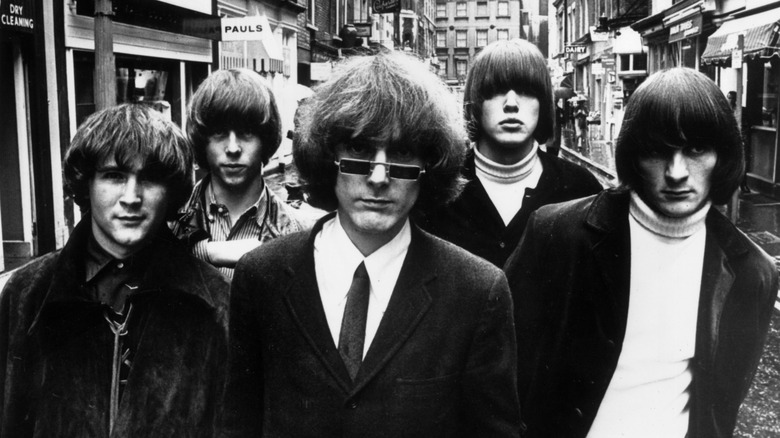
When it comes to icons of the folk rock genre, few sit as high as the Byrds. But this band didn't only make themselves famous; the Byrds turned other musicians into legends as well.
They hit the top of the charts with covers of songs written by other artists, bringing one of those songwriters to a fame he hadn't known before. The Byrds' music also influenced more than one artist to change their sound and, therefore, the course of their musical destinies. But fate can sometimes be hard to see, and the influence the Byrds had on musical legends wasn't always as straightforward as turning a Bob Dylan song into a No. 1 hit.
Sometimes it was as simple as lending a platform to a future star to help kickstart a legendary career. Another time, giving a member of their band the boot set that musician on a path that turned him into a bigger rock icon than the Byrds themselves. Whichever flavor cause and effect happened to take, one thing is undeniable: The Byrds changed the course of many musicians' careers, helping them reach heights they may not have known otherwise.
The Byrds turned Bob Dylan into a folk rock icon
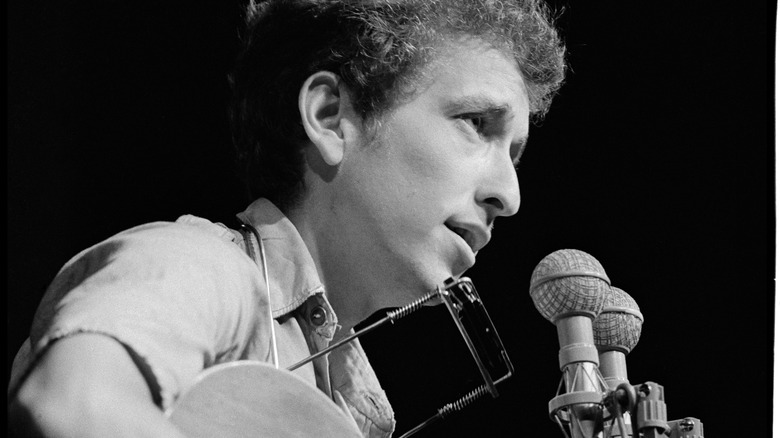
The case for the Byrds turning Bob Dylan into the legend he is today is two-fold. Now, we're not saying Dylan had nothing to do with his iconic status. Obviously, he had talent and creativity that few could match. But the Byrds helped turn him into a mainstream folk rock staple, and it all started with Dylan's "Mr. Tambourine Man" — a folk rock song that was ahead of its time, often praised as the beginning of the folk rock era.
The Byrds covered "Mr. Tambourine Man" in April of 1965, less than a week after Dylan had put his finishing touches on his own version. The Byrds' cover quickly reached No. 1 on the Billboard Hot 100. This was the first instance of a song Dylan wrote reaching the top of the charts, and he wasn't even the one performing it, but it undeniably brought him recognition. Not only that, hearing this electric version of his song helped push Dylan to go primarily electric himself.
A couple months later, in June of 1965, Dylan would record his electric classic "Like a Rolling Stone" and finally hit the high ends of the charts. The song ranked No. 2 at its peak — not quite as high as the Byrds, but high enough to kick off Dylan's climb to legendary status.
The Byrds lent their platform to future legend Jackson Browne
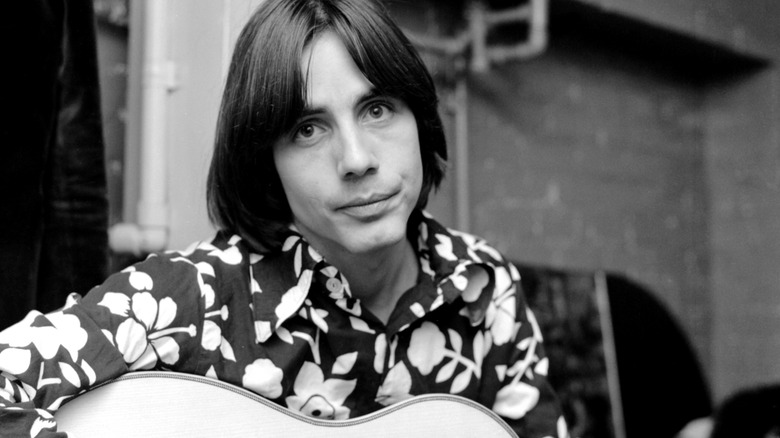
Before Jackson Browne was a renowned performing artist, his biggest rock hits were songs he'd written for other artists. He wrote for several big names, including the Byrds. But one Byrds' song in particular helped launch Browne's career in the public eye.
In 1971, the Byrds released their "Byrdmaniax" album. On its track list was "Jamaica Say You Will," originally written by Browne for himself. The album charted on the Billboard 200 at No. 46. At the time, it was the biggest exposure the young singer-songwriter had ever had and helped establish credibility for the album he'd drop the following year.
Browne released his debut album in 1972, and it also hit the Billboard 200. "Jamaica Say You Will" wasn't a single, so it couldn't have charted itself, but it was on the album. Regardless of the song's success under Browne, it's safe to say the exposure he'd gotten from the Byrds' cover helped to prime listeners for his future career.
The Byrds' success changed the Dillards' music style
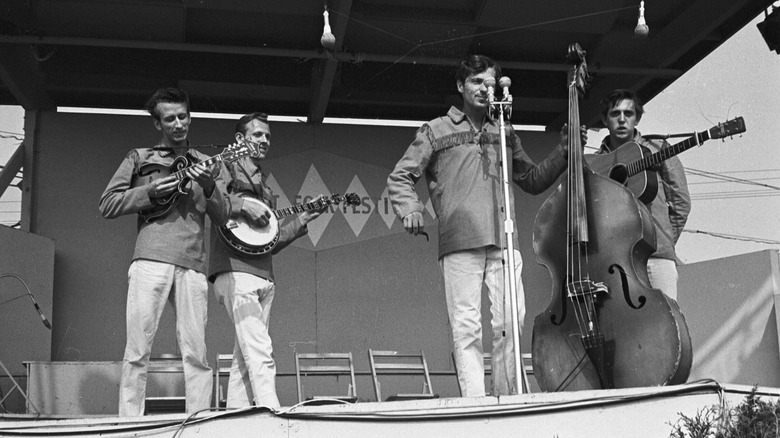
The Dillards were a bluegrass band that eventually branched out into country rock when the folk rock movement was ramping up, and part of what helped them get there was their time around the Byrds and watching that band's success manifest. Don't get us wrong; the Dillards landed some big gigs before they evolved their sound — like their recurring spot on "The Andy Griffith Show" and releasing one of the most iconic bluegrass albums of all time, 1963's "Back Porch Bluegrass" — but it's their pioneering move into progressive bluegrass that truly made them legends.
The connection between the Dillards' progressive sound and the Byrds is strong. The Dillards signed with the same producer as the Byrds, played alongside the Byrds on tour, and spent time in the studio with the Byrds. Doug Dillard even teamed up with former Byrds member Gene Clark after leaving the Dillards in 1967.
While it's impossible to find a direct quote from the Dillards saying, "The Byrds influenced us to evolve our sound," having this much contact with the Byrds — alongside deciding to plug in and join the progressive bluegrass movement after the success of "Mr. Tambourine Man" — illustrates a pretty direct influence. Next thing you know, the Dillards broke the constraints of bluegrass with their experimental folk-country-bluegrass-rock album "Wheatstraw Suite" in 1968 — a good year for bluegrass.
In this case, the influence on musical trajectory goes both ways. Before the Byrds were ever a hit, they conscripted Dean Webb of the Dillards to teach them vocal harmonies for "Mr. Tambourine Man."
Arthur Lee saw the Byrds and immediately followed their lead
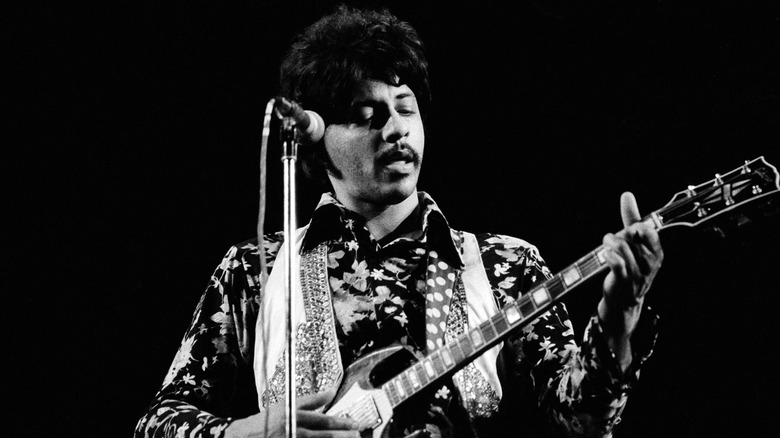
The Byrds were frequent flyers at a small club in LA called Ciro's, where they often took the stage with their unique blend of folk and rock music. On one of these nights, a listener in the crowd took their music to heart and followed their lead. His name was Arthur Lee.
Lee had been trying to earn rock star status with little success, but when he heard the Byrds play, he decided to shift his music style toward theirs in hopes of gaining commercial success. After all, the Byrds were drawing crowds of roaring fans, and Love — Lee's band — wasn't.
"I jumped on the wagon because when they left, they left a huge following of people here," Lee said during an interview with Classic Rock. He went on to say that the Byrds heavily influenced Love's first album, which they released in 1966. The album would climb halfway up the Billboard 200, and Arthur Lee and Love were well on their way to becoming legends.
From there, Lee's band would start blending genres and pioneering the experimental sounds that would bring about psychedelic rock. They even inspired Jimi Hendrix along the way.
The Byrds fired David Crosby — and made him a legend
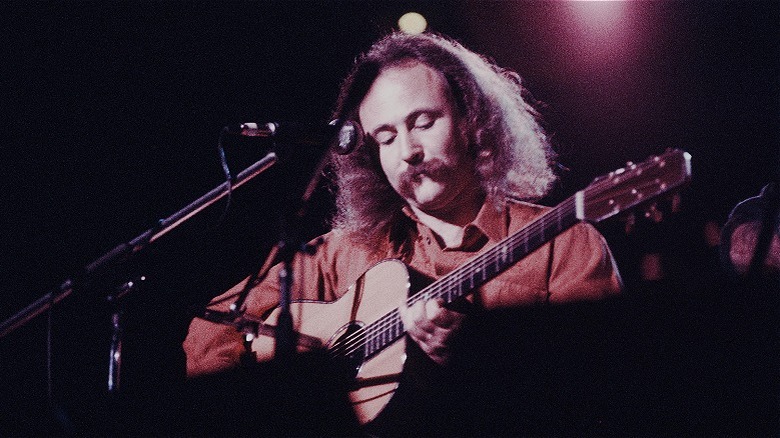
David Crosby was one of the founding members of the Byrds. His rhythm guitar, songwriting, and vocal harmonies were no small part of the band's legendary sound, but contentions over the direction of the band led Roger McGuinn and Chris Hillman to fire Crosby in 1967. This may have been the best move possible for Crosby's lasting legacy.
By 1969, Crosby would team up with Stephen Stills — a former bandmate from Buffalo Springfield, who Crosby played with for a short stretch after the Byrds — and Graham Nash from the Hollies. Together, they formed Crosby, Stills & Nash. Not long after, the group added Neil Young and became Crosby, Stills, Nash & Young. And this project definitively proved Crosby was much bigger than his role in the Byrds.
The band peaked at No. 6 on the Billboard 200 with their self-titled debut album before Young joined the crew. As a quartet, they played Woodstock, had four singles reach high on the charts in 1970 alone, and saw two albums — "4 Way Street" and "So Far" — take No. 1. Crosby would have a solo career and side projects that saw real success as well. In all, the rock legend showed that even though he started with the Byrds, he didn't need them to cement himself as a musical icon.