

Quote Of The Day By Marianne Faithfull: 'I Once Asked My Father What He Wanted Me To Be ...'
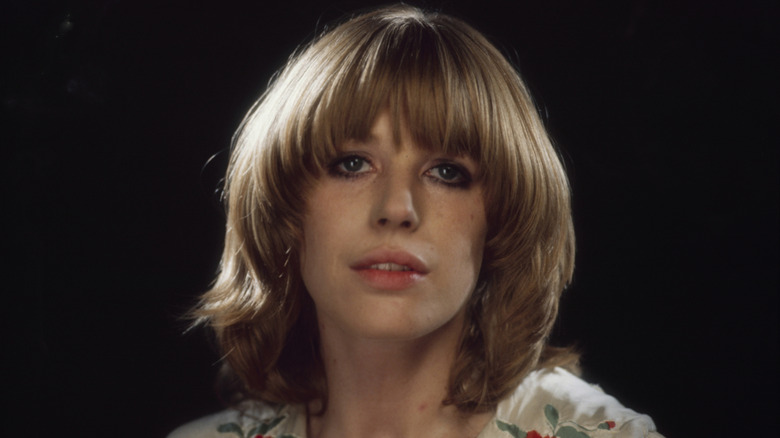
Marianne Faithfull had a unique childhood. Born in 1946, her dad was once a spy and her mother was a countess, which isn't as exciting as it sounds. After her parents separated, Faithfull was sent to a Catholic convent, where she spent her time reading as many banned books as she could find. She then pursued a career in music and entertainment — the ultimate vocation for rebels — and became a muse for the Rolling Stones.
Faithfull scored her first big hit with "As Tears Go By," one of many great songs that came out in 1964. The track was penned by the Rolling Stones, who later recorded their own version. Of course, Faithfull is also known for her relationship with the band's frontman Mick Jagger, and rumor has it "You Can't Always Get What You Want," "Let's Spend the Night Together," and other Rolling Stones classics are about her.
During the '60s, Faithfull garnered a reputation for partying, making her somewhat of a counterculture icon. She later became homeless, overcame personal struggles including addiction, and bounced back with a handful of '70s albums, including 1979's acclaimed "Broken English," ultimately enjoying a career that lasted into the 2020s. She died in 2025 at 78 years old. Regardless of her experiences, however, Faithfull always marched to the beat of her own drum — and that is why she is our Quote of the Day.
Quote of the Day by Marianne Faithfull
"I once asked my father what he wanted me to be. The right answer would have been film star, but to my horror, he said, 'sociologist.'"
Our Quote of the Day comes from an interview Marianne Faithfull conducted with The Guardian in 2013. She was answering questions about the 50th anniversary of "As Tears Go By" and her career, noting that fame is all she's ever wanted to pursue. Faithfull said that she was interested in reading about sociology, but it seems that she didn't want to make it her job.
When you look at her success, Faithfull probably made the right decision. She got the career she wanted, making hit songs while starring in film and television projects. Still, Faithfull's father wanting her to pursue another job is understandable. Show business isn't for everyone, and only a select few lucky people make it. What's more, Faithfull's old man was quite passionate about certain subjects.
Deeper Meaning of Marianne Faithful's Quote — Individuality
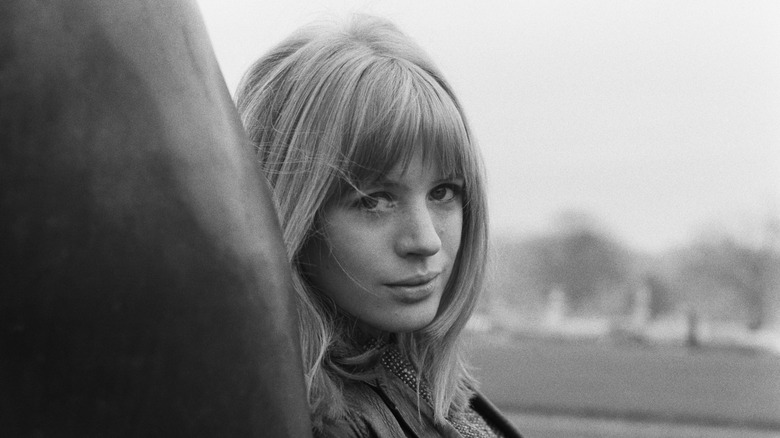
Marianne Faithfull didn't explain why her father was so keen on her becoming a sociologist. However, his own interest in academia might have had something to do with it. In addition to being a spy, Major Glynn Faithfull was an intellectual who co-founded a college for social research. Faithfull described him as a strong idealist, albeit an eccentric one who lived on a commune.
However, Faithfull's relationship with her mother also sheds some insight into her decision to pursue music. "I thought I had a right to live the way I wanted to, and it wasn't the way my mother would have liked," she told Alain Elkann Interviews. "She would have liked me to marry a rich man, preferably with a title, and lead that kind of life, and that was not what I wanted to be."
The "As Tears Go By" hitmaker added that she was interested in women's freedom — which was unconventional at the time — and further explained her autonomous mindset. With that in mind, our Quote of the Day is a testament to Faithfull's individuality and not following the path expected of her by others. She was free-spirited, and that allowed her to make some amazing music that will stand the test of time.
More Quotes from Marianne Faithfull
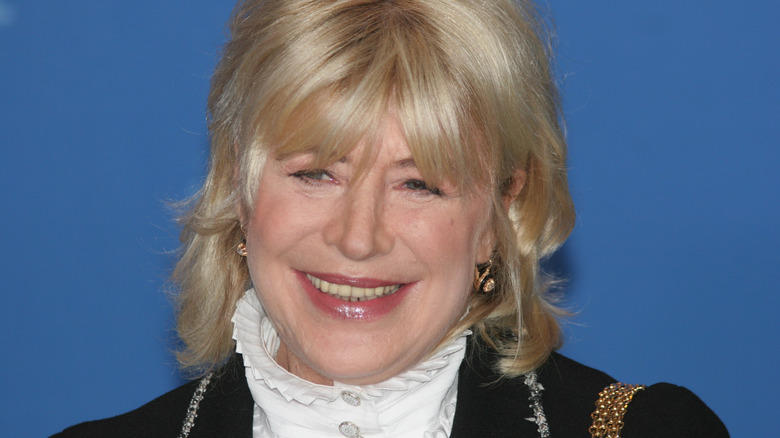
- "I wasn't conventional. I was not a hippie, but I was a bit of a revolutionary."
- "To be frank, I always knew I was something quite extraordinary. It was as if I had a lot of potential but would never fulfill it."
- "I don't see decadence really as what you do, because I don't do much at all that is decadent in my life. But I still am decadent. It's a state of mind, I think."
- "Of course I have regrets, but they're not the ones that people really would expect. I wish I'd been nicer to my parents."
- "The people I met on the street were so good to me. I lived my life on the absolute razor's edge, but with a sort of light around me that never let anything really bad happen."
- "I've made a mistake that I make a lot, which is that I assume that everybody thinks like me. And they don't. People are small-minded sometimes."