

The Essential Bass Guitar Setup For Beginners
We may receive a commission on purchases made from links.
Picking up a new instrument can be overwhelming, whether you consider yourself reasonably educated in the world of music or a complete beginner. But when it comes to learning bass guitar, there are only a handful of essentials you need to get started.
Learning bass is a bit more of a niche hobby than learning guitar; bass is less of a standalone instrument and more so one that accompanies lead instruments in the overall puzzle that is a musical arrangement. Still, learning bass is similar to learning guitar in terms of the tools and practice routines beginners need, so if you're already learning guitar, you may already have a few of the essentials covered for bass.
Here, we'll feature some items that are absolutely necessary to begin playing bass, as well as some less-obvious purchases that make beginners' lives a whole lot easier. None of these accessories will make you sound like your favorite bassist right out of the gate, but they'll absolutely make your learning experience smoother and prepare you to learn bass with as little friction as possible. Learning bass is a fun challenge, and with the right tools, you'll be making your favorite bass licks come to life as soon (and as loudly) as possible. Regardless of your setup, though, intentional and consistent practice is still the most important factor in learning bass, so don't neglect your studies!
Bass guitar
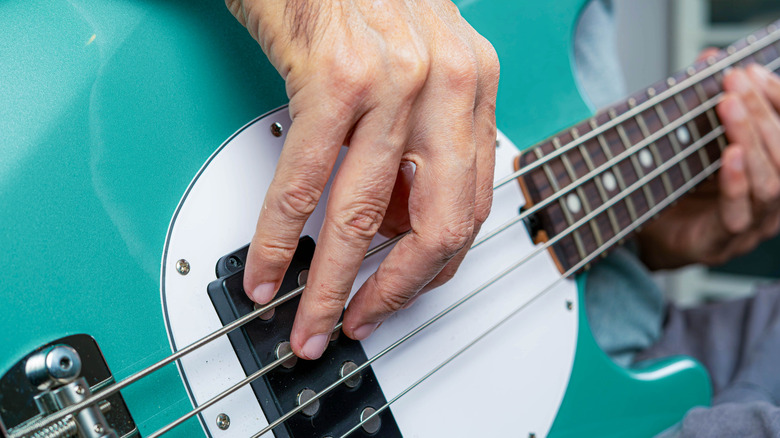
To play bass guitar, you'll need one key tool: a bass guitar. Jokes aside, the "right" model varies from person to person, so it can be daunting to choose your very first bass guitar. However, whether you're shopping online or testing out in-store models, it's important to first establish your budget going into the purchase and figure out which style and size of bass suits you best. Many high-quality bass guitars sport price tags in the high hundreds and even thousands, but you can find solid budget options that range between $150 and $200, such as this Fender Squier Debut Precision Bass.
Amplifier
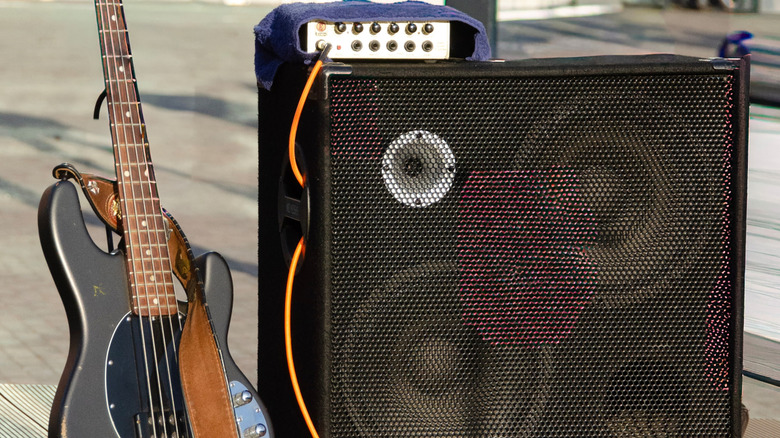
Similar to amps designed for electric guitars, bass amps project the instrument's sound so you can hear it when you aren't using headphones. If you already own a guitar amp, check its specs to see if you can use it with your bass. That said, bass amps and speakers are specifically designed to pick up and project low frequencies; using a guitar amp with a bass could damage the amp. Prices should range from $100 to $200 for starters, with prices increasing significantly for players hoping to perform. With this item and the instrument itself, and maybe some headphones, you're only one item away from being able to play loud.
Bass cable
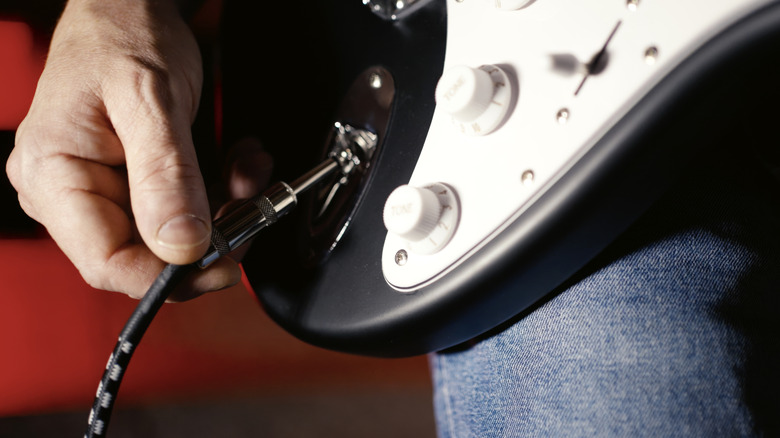
Bass cables are pretty straightforward: They connect your bass guitar to an amp. These cords are simple 1/4-inch cables that you can use with several electronic instruments, including guitars. If you already have one of these cords — for an electric guitar or otherwise — there's no need to purchase another, unless you're hoping to hook up both instruments at once, of course. A new 1/4-inch cable should only cost around $15 and is usable straight out of the package, such as this Fender 3-foot cable from Amazon.
Strap
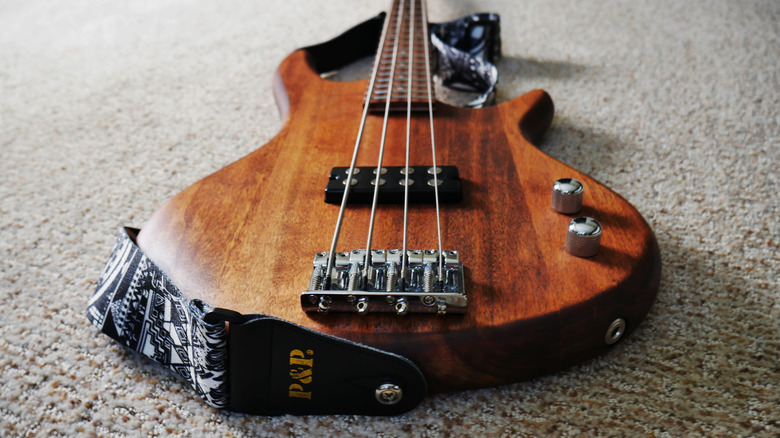
It can be quite the challenge to practice bass while standing up without using a strap. Even if you prefer to play while seated, a strap can be helpful by securing your bass to your body, potentially alleviating strain on your hands, thereby helping you focus on your playing. On average, bass straps should only cost around $10 to $20. If you already have a spare guitar strap, it can function just about the same, though we certainly recommend having one strap per instrument to avoid spending a lot of time detaching and reattaching.
Stand or wall mount
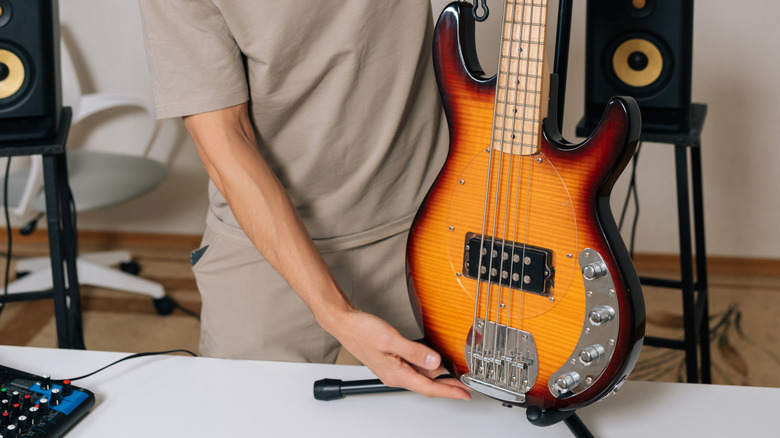
As much as you may not want to put down the bass guitar in the exciting early stages of learning, you're obviously going to need a place to put it, and there are two main options. For those looking for a more decorative touch, a wall mount can add texture to a room while showing off the instrument. It also saves floor space. A stand, however, is more convenient and comes with less setup. Neither should be too much of a burden, and they are similar in price, each only costing about $10 to $20.
Tuner
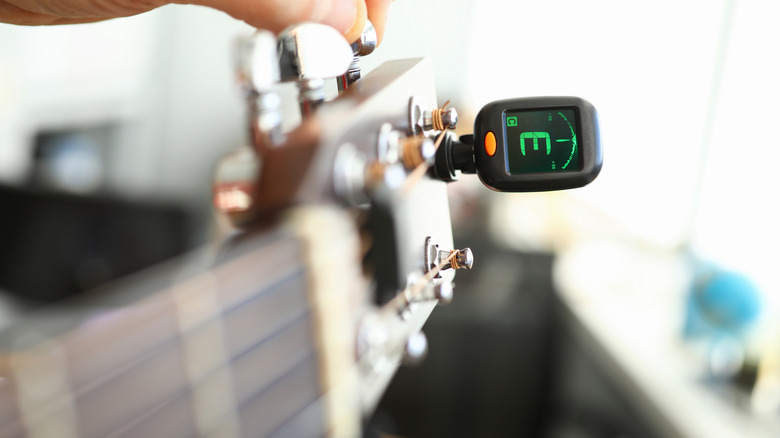
Most string instruments you buy new will be pre-tuned, but after some time, the strings will go out of tune again. It's common for bass players to tune by ear, but beginners can easily tune their bass using a physical tuning device or a smartphone app, either of which can get your instrument play-ready in minutes. Tuning apps are quick and easy to set up, but physical tuners can be more reliable than an app, so they are a worthwhile investment. Decent tuners tend to cost around $15 to $35.
Bass picks
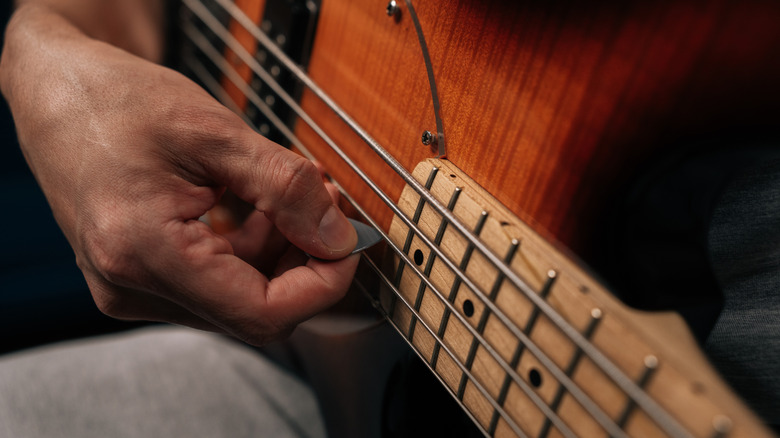
This affordable essential offers versatility in both playing style and sound. After long playing sessions (or even after just a few minutes, for beginners), bass strings can chafe your fingers or leave uncomfortable imprints. While this is a normal part of learning bass, a bass pick can improve both your comfort while playing and the quality of the sound you can produce from your instrument. Regular guitar picks are usable on bass guitars, but ones that are thicker or specifically designed for bass will produce cleaner results. Pick prices vary, but packs should be available for less than $10.
Extra strings
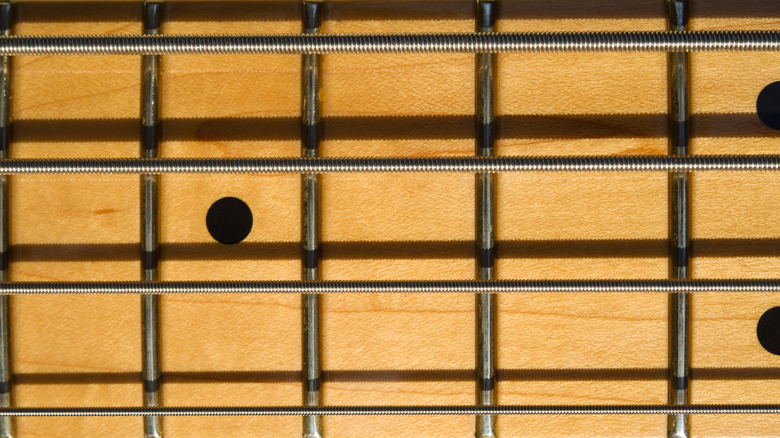
Many bass guitars come pre-strung. However, at some point, you'll have to learn to restring your instrument. With this being an inevitability, it's not a bad idea to grab extra strings early on to guarantee that, whenever one of your bass strings does break or wear out, you'll already have what you need to repair it. Bass strings come in a variety of materials, gauges, and construction types, with medium-gauge, nickel-plated, roundwound strings being a popular choice for beginners. Typically, a pack of bass strings costs less than $25.
Bass case
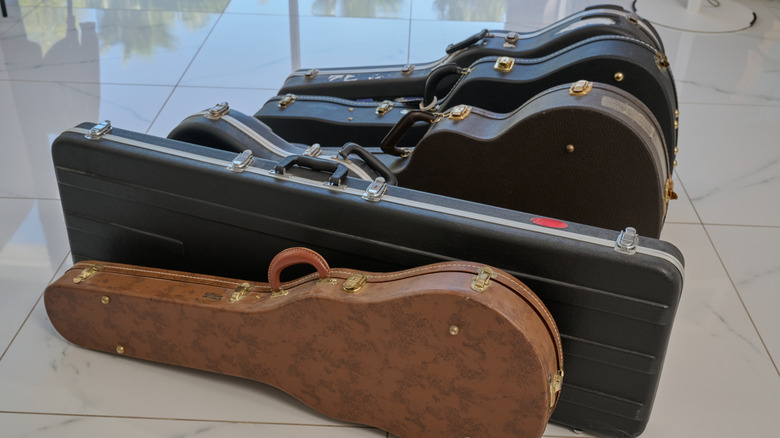
An instrument stand or a mount will do the literal heavy lifting for stashing your bass at home, but neither of those tools will get the job done if you're traveling. If you intend to move around with your bass, or if you're simply looking for a more secure at-home storage solution, you'll want a bass case. Hard covers provide more security thanks to their hard shell, while soft covers are lighter and easier for low-stress transport. Covers and lighter guitar bags can cost as little as $30, while heavier hard cases can cost $200 or more.