

10 Essentials Every Beginner Guitar Player Should Already Own
We may receive a commission on purchases made from links.
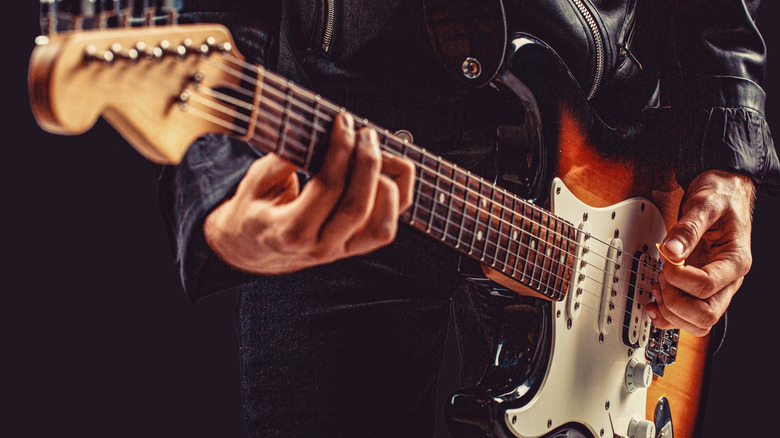
Getting into playing the guitar can be overwhelming, especially with the many tips, tricks, and trinkets recommended for starting off. We're here to narrow down the noise and give you the 10 essentials for beginners. The most important thing to get right is the guitar itself, so make sure to decide if you're prioritizing acoustic, electric, bass, or any combination of these before getting into the accessories. Still, all of these optional purchases will feel more and more necessary as you continue to play and practice. Even the freshest of beginners will notice the improvements of versatility, convenience, and overall quality of life that they offer.
In this list, we'll run down everything you need to know about these accessories, from picks and tuners to amps. No matter the guitar setup you have in mind, these will help you produce the sweet notes and chords you dream of. Here are 10 essentials that all beginner guitar players should already own.
Tuner
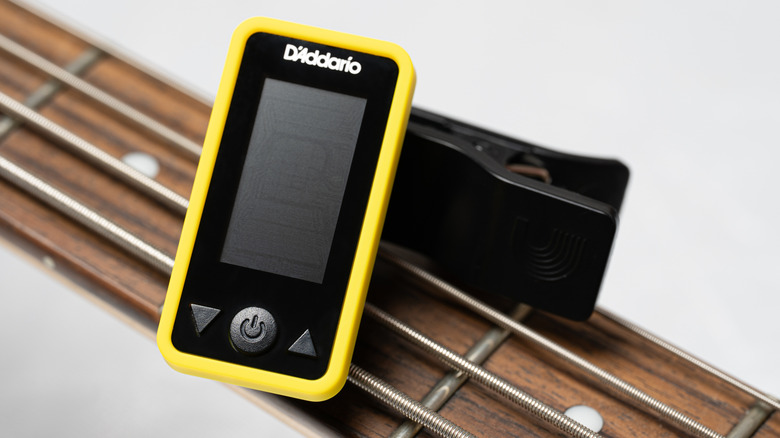
Without a tuner, your guitar is never going to sound right, no matter if you have each of the other essentials on this list. This device allows a beginner player to maintain their axe's sound without needing to tune the strings by ear. Tuners can be physical or digital, with the simplest of all options being a smartphone app, though physical models can be more dependable. Regardless, this is without a doubt the most essential accessory for beginner guitar players. There's simply no use playing and learning on an out-of-tune instrument.
Capo
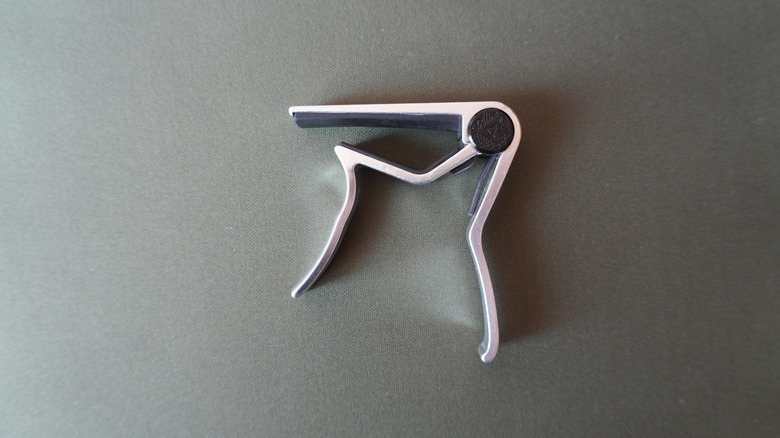
In terms of learning new songs, replicating sounds, and mixing up tunings, a capo is one of the most rewarding early steps in a guitar player's journey. It clips onto the neck of the instrument and effectively shortens the strings, which raises their pitch and allows you to play in higher keys with simple open chords — no fancy fingerwork needed. Capos are often cheap and hard to get wrong, though fancier versions do exist. For beginners looking to replicate their favorite songs without having to immediately master barre chords or other advanced techniques, a capo makes everything easier from the jump.
Amp
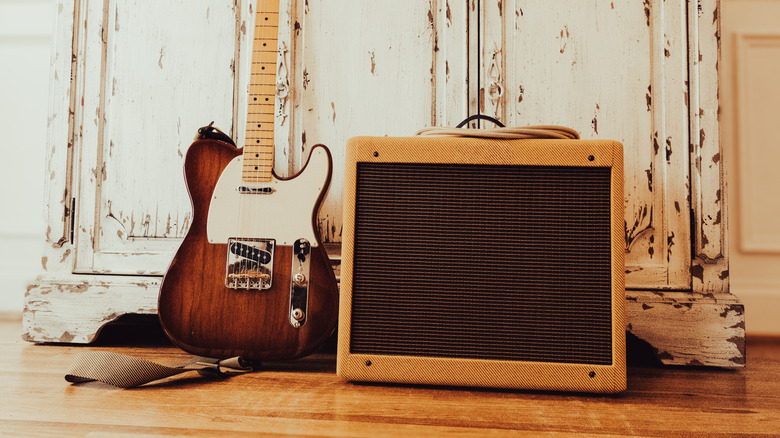
Though a guitar amp is much less useful if you're learning acoustic, it's as essential as any tool when playing an electric guitar, especially because it has a long lifespan if you pick the right one (as high as 10,000 to 30,000 hours). Sure, your axe can make soft sounds on its own, but you simply won't find the same volume or tone without a guitar amp. They come in all shapes and sizes, from mini and packable to large and imposing, fit for all kinds of setups and styles of play. Amps with sound presets, in particular (like the Line 6 Spider V 20 MKII), can completely change the game for guitar beginners, opening up worlds of experimentation and emulation.
Cables
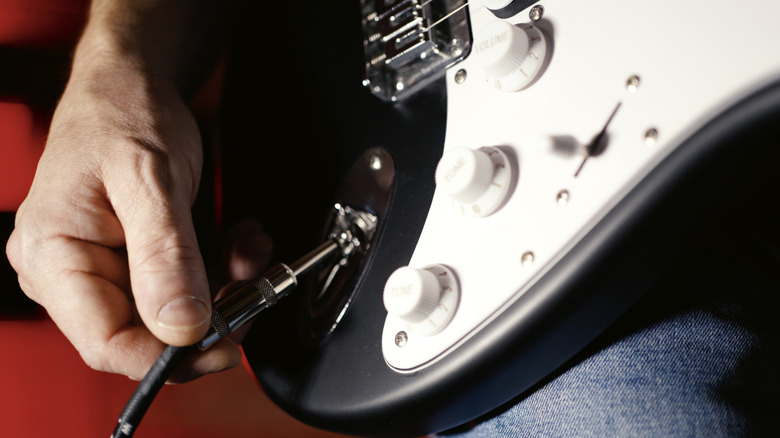
Your amp is nearly useless without a guitar cable. It might seem a bit boring, yet it's an investment that should absolutely be given a bit of thought. Sure, you could make a fancy Bluetooth setup, but that's probably a bit much for a beginner. Too short or too low quality of a cord can lead to awkward playing setups and frustration, which can really hinder the early, fun stages of learning guitar. Don't just grab the first one you see — make sure you have your playing setup in mind and how much space you'll need before making a purchase.
Strap
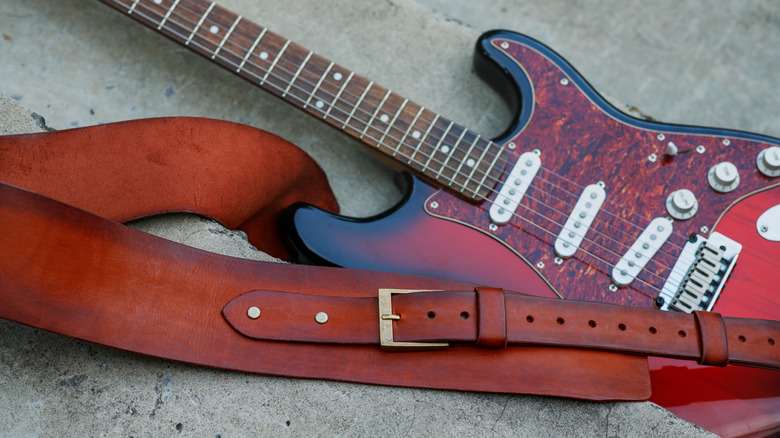
For acoustic and electric guitar learners alike, a strap makes playing a lot easier by relieving the weight of the axe off of the knees or arms. Using this accessory makes the specific positioning of your instrument less important so you can focus on learning finger placement and finding out a comfortable playing style. This is extremely important for newer guitar players, as building good habits benefits skill and progress in the long run. Without the strap, playing while standing up is barely doable, so if you don't already own one, it should be near the top of your list of necessary buys.
Case
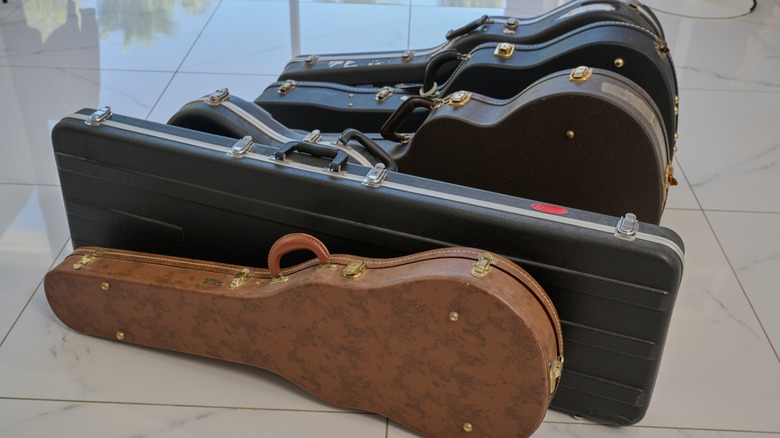
If you don't see yourself needing to travel with a guitar, you may not think this is an essential purchase. But a guitar case — of either hard or soft material — relieves stress on the instrument and reduces the risk of damage during travel, whether you're going on vacation, heading to a gig, or moving homes entirely. It protects the instrument from incidental damage, shields it from the elements, and also offers a place to stow the instrument away for safekeeping. Though some debate whether a case or stand is better, it's undoubtedly ideal to have both if possible.
Stand
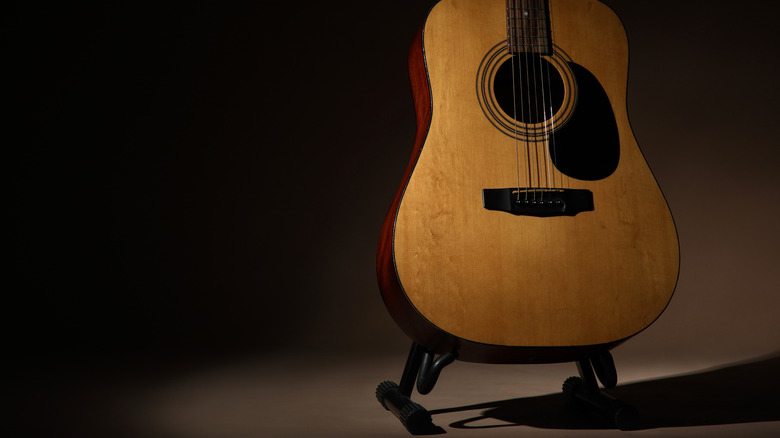
Unless you want your guitar strewn about your home or stowed away somewhere in a case, a stand is essential for both convenience and aesthetic purposes. It's a pain to balance a guitar in a corner or constantly move it around — it needs to remain somewhere and stay there. A stand also allows you to turn your guitar into a decor piece, though understandably, some beginners may not want to broadcast their playing before they feel comfortable enough to share it. If you're up for a bit of installation, you can also replace a stand with a wall hook.
Picks
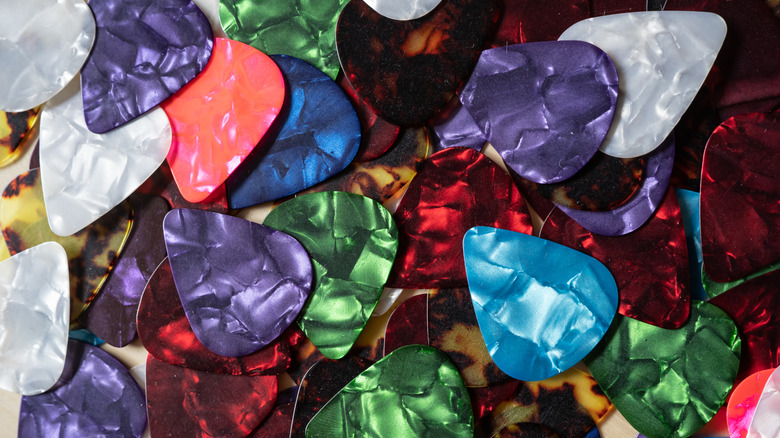
It's not the preferred strumming method of every guitar player, but beginners might as well find out if guitar picks are for them. They're cheap and incredibly easy to find — they might even already be lying around your house — and provide a sharp and clear way to pick and strum strings. Especially for guitarists learning on an electric setup, a pick can help relieve stress and pain on the fingers as well as produce a clearer sound through an amp. Just make sure you choose the right thickness (thinner is better for strumming, while thicker is ideal for lead and heavy-handed riffs). Even if you don't use a pick all the time, they're great to have on hand as an essential part of a beginner's arsenal.
Spare strings
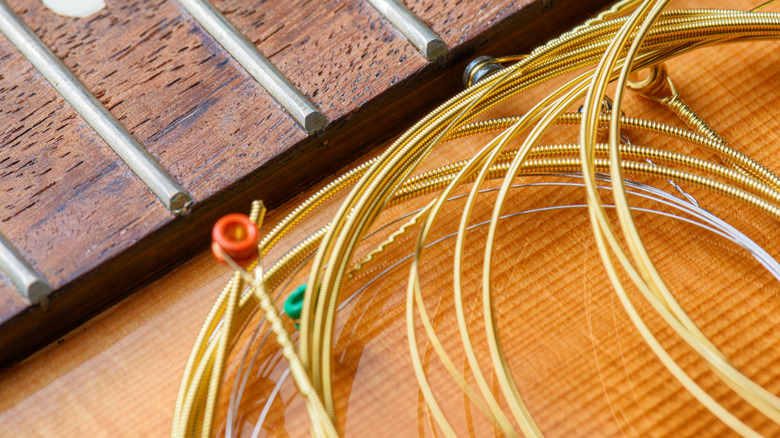
A beginner's first set of guitar strings may seem like they can last forever. Yet one mistake, drop, or even the simple wear of time can ruin them, making it absolutely essential to have some extras on hand. They can also help you start fresh — if you're feeling in a rut with your playing, try switching to a different brand or thickness. Either way, all beginners are going to need another set eventually, so it's better to have them on hand than have to rush to find them later. (Here's what you need to know about the lifespan of guitar strings, which can last weeks to months, depending on how often you play.)
Headphones

Though an electric guitar's power may best be heard out loud through an amplifier, it's not always feasible, and that's where this more subtle accessory comes in handy. Headphones specifically designed to connect to a guitar setup provide excellent versatility when playing. They can produce more clear sounds when you need precision, like when recording, and come in handy when you can't blast the amp all the way through a room. Essentially, headphones allow beginners to practice and play anywhere — and maybe more importantly, at any time — no matter the other circumstances. Just be sure the model is made for connecting to a guitar setup before purchasing.