

These 5 Songs Define '70s Glam Rock
Glam rock may not have the cultural cachet it had at its height back in the 1970s — indeed, to some listeners it might sound horribly dated. The fact is, though, the British-born genre has cast a long shadow over popular music ever since its heyday. Glam rock, which predated punk by several years, was characterized by a more lighthearted approach to music-making than heavy rock or progressive rock, which were also at their commercial heights in the early 1970s. It embraced theatricality and glitz while evoking the grittier guitar sounds of the previous decade to create a new style that felt sexy and hedonistic, yet silly enough to court popular appeal.
Though relatively short-lived, the glam rock movement of the early 1970s would go on to influence some of the most popular American rock artists of the late 20th century, including Alice Cooper, KISS, Motley Crüe, and Marilyn Manson. Here are key songs by five artists who paved the way in the early days of glam rock.
T. Rex – 'Bang a Gong (Get It On)'
When it comes to the foundational artists of the glam rock movement, you can't do much better than T. Rex. The band, led by hugely charismatic frontman Marc Bolan, was a sensation in its native U.K. The once-hippieish band, previously known in the late 1960s as Tyrannosaurus Rex, finally enjoyed a commercial breakthrough as glam pioneers with its 1970 single "Ride a White Swan," after which it went on to a flurry of enormous chart hits.
The band's peak came in 1971, with the release of its monumental studio album "Electric Warrior." The album established the blueprint for much of the glam rock that was to become a massive commercial force well into the mid-1970s. It featured a suite of warm, danceable songs that were as fun and catchy as they were sleazy and cool.
Whereas T. Rex became major stars in the U.K., they remained something of a cult phenomenon in the U.S., except for their hit "Bang the Gong (Get It On)," an infectious 1971 single that reached the Top 10 on the Billboard Hot 100. With a spiky, guitar part, a rising, adrenaline-inducing chorus, and a seductively intimate vocal line from Bolan, it's the genre's high water mark.
David Bowie – 'Starman'
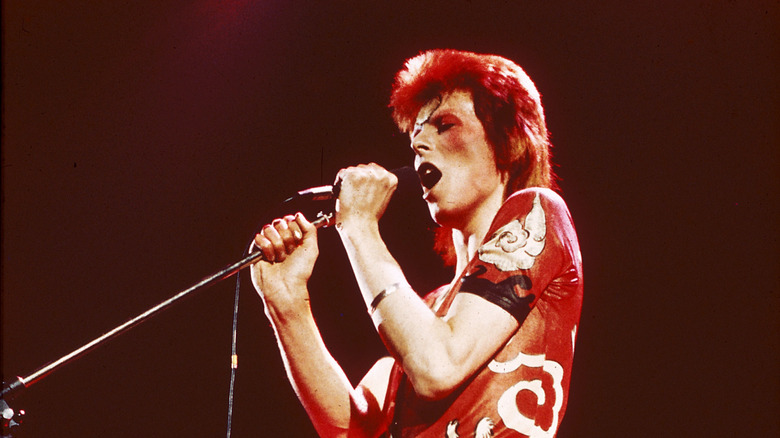
The artist most commonly associated with glam rock nowadays is arguably David Bowie, who made the genre's definitive statement with the release of his classic album "The Rise and Fall of Ziggy Stardust and the Spiders From Mars" in 1972. For the album, as well as the concerts in support of its release, Bowie took on the persona of the title character, an androgynous, bisexual, extraterrestrial rock star, by sporting his now iconic orange-dyed hairdo and a range of eye-popping stage outfits.
This was an apocalyptic, loosely structured concept album that told Ziggy's story, culminating in his death. It is an album bursting with great glam tunes, but chief among them is "Starman," a celebratory anthem heralding the alien's imminent arrival on Earth. The lead single from the album, Bowie performed it on the influential British music show "Top of the Pops", which launched it into the Top 10 of the U.K. singles chart. It was with this release that Bowie's stardom was assured — from here, his discography would remain an important touchstone for rockers across the globe. Undeniably glam rock — an aspect that might be expected to date it somewhat — "Starman" has proven to be one of the most enduring and popular songs in Bowie's entire discography.
Proving himself to be an artist who was unwilling to be pinned down to an image that had brought him so much success, Bowie sensationally "killed off" the Ziggy Stardust character during a concert in 1973 so he could move away from the glam genre. It was a move akin to Bob Dylan's controversial embrace of electric guitar at the expense of his folk roots, and it correctly signalled that glam rock itself would be a fleeting affair for both artists and the listening public.
Slade – 'Come on Feel the Noize'
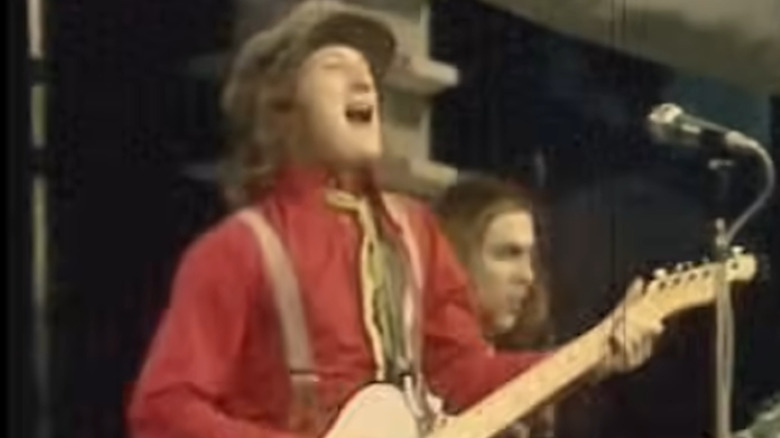
Another glam rock outfit that flourished in its native U.K. but failed to build the commercial success it might have expected Stateside, Slade showed the genre at its most humorous and playful. Making frequent use of comically-spelled titles and the piercing roar of lead singer Noddy Holder, they proved to have wide appeal across the generations. This led them to enjoy 17 Top 20 hits in their home country, including six No. 1s.
"Come on Feel the Noize" was released in 1973, topped the charts in the U.K. and Ireland, and charted high in numerous other countries where the glam rock craze was also in effect. A stomping, sing-along classic that ranks among the hardest rocking songs of the era, it later became an anthem of the hair-metal era thanks to a fully-throated cover by Quiet Riot. The cover was a hit in the U.S. in 1982, reaching No. 5 on the Billboard Hot 100 and proving that hair-metal bands could actually chart with the right song choice. Quiet Riot's version is a faithful reproduction of the song and a thrilling performance in its own right. Go back to the Slade original, though, to hear it in all its glam rock glory. We couldn't include the video because Slade's creative spelling triggered a profanity flag, but it's worth checking out.
Lou Reed – 'Walk On The Wild Side'
Lou Reed is considered one of the most influential rock musicians of the 20th century. His work with The Velvet Underground in the 1960s perfectly demonstrated how the world of avant-garde art could be embraced by commercial rock acts to create something challenging and new. But by the early 1970s, Reed had quit The Velvet Underground to forge a solo career — a step he was finding difficult to make.
Nevertheless, he would soon be heading in the right direction after collaborating with David Bowie and his guitarist, Mick Ronson, who had together created the sound of the Ziggy Stardust phenomenon. Acting as producers, they turned Reed's sophomore album, "Transformer," into a glam rock project that had the best chance of achieving a commercial breakthrough for the cult artist.
However, despite the glam-rock flavor, the album's hit single, "Walk On The Wild Side," is something utterly unique; a low-tempo, melancholic portrait of four of Reed's acquaintances from the subversive New York art scene. It was his first hit as a solo artist, and it has gone down as one of the most timeless releases of the era.
New York Dolls – 'Personality Crisis'
The New York Dolls was arguably the most important link between the glam rock era of the early 1970s and the punk rockers that would emerge half a decade later. This subversive cross-dressing act attracted the admiration of a devoted cult following and the derision of a majority of hard rock fans. With a population of music-lovers accustomed to a more overtly masculine look in their rock stars, the band gained a reputation for its shamelessly sloppy playing and rejection of virtuosity.
It was this sense of the band being a Rolling Stones-esque act (sans the polish) that endeared them to rock fans seeking authenticity and edge. And no song in the band's catalog demonstrates glam rock's proto-punk potential like the "Personality Crisis," the opening track of its 1973 debut album. The signature song of the band, the Todd Rundgren-produced track blew open the door for both punk — and later American glam rock in style — and influenced artists as diverse as Morrissey and Bruce Springsteen.