

1968 Was The Biggest Flop Of The Decade For No. 1 Hits
The year 1968 was the worst year of the 1960s as far as volume of No. 1 hits on the Hot 100 pop chart is concerned. No other annum in that decade saw as few singles reach the No. 1 spot as did 1968. Every other year of the 1960s averaged 21 new No. 1 hits. That meant that long-running chart-toppers were exceedingly rare during that span, with the average time at the top coming in at two to three weeks. Chalk it up to the explosive creativity and voluminous quality musical output of the '60s in general, when British invasion groups, traditional pop singers, Motown acts, made-for-TV bubblegum projects, and early rock 'n' roll idols all jockeyed for space atop the Hot 100.
The situation tightened up considerably in 1968. Just 15 singles, a decade low, made it all the way to the top for the first time. A large share of the 52 No. 1 placements available were eaten up by a mere handful of hits. The Beatles' "Hey Jude" spent nine weeks in the top position, and Bobby Goldsboro's "Honey," arguably one of the worst No. 1 hits of the 1960s, occupied the slot for five weeks. Let's continue to chart the highs of one of the strangest and most disappointing years the Hot 100 ever had: 1968, when too few songs reached No. 1.
The Beatles, novelties, and soft pop ruled the chart in 1968
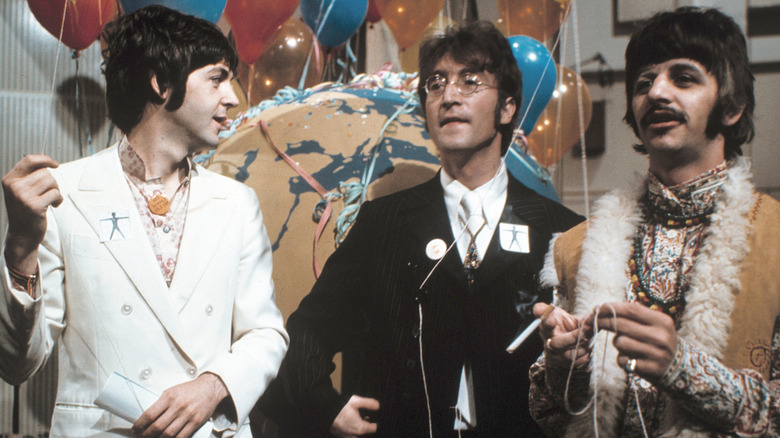
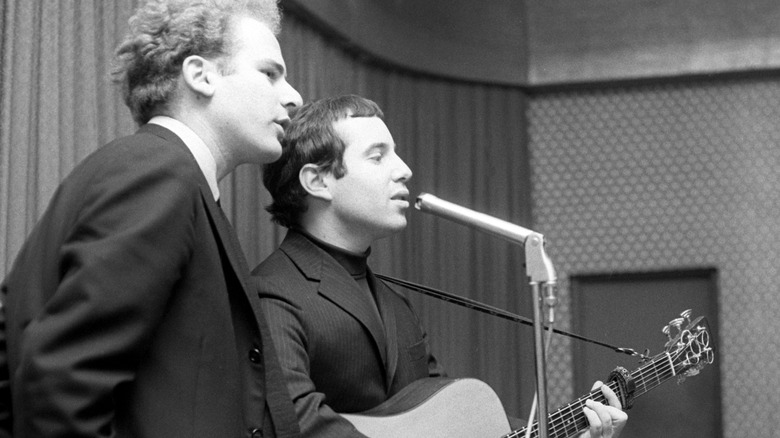
Of the relatively-scant 15 No. 1s of 1968 (not counting the 1967 holdover, the Beatles' "Hello, Goodbye"), there's significant variety. Some affirmed classics climbed the Hot 100, including the Beatles' "Hey Jude," a rock song from the '60s worth a head-turning amount of money, and Simon and Garfunkel's "Mrs. Robinson." After the tragic death of Otis Redding, the singer's "(Sittin' On) The Dock of the Bay" became America's first posthumous No 1 hit.
Other hits weren't so timeless because they reflected the events of 1968. The Rascals' "People Got to Be Free" is a protest song inspired by the assassinations of Martin Luther King, Jr. and Robert F. Kennedy. Jeannie C. Riley's "Harper Valley PTA" is a story song about then-scandalous miniskirts. The Beatles was such a dominant force that it influenced other band's smashes: John Fred and His Playboy Band's "Judy in Disguise (With Glasses)" is a goofy riff on the Fab Four's "Lucy in the Sky with Diamonds."
Among the lesser-known successes of '68: Paul Mauriat's "Love is Blue," a harpsichord-saturated cover of a French song and the first instrumental No. 1 since 1963. Trumpeter Herb Alpert sang for a change and took "This Guy's in Love With You," a ballad he originated on a TV special, to No. 1. So although hip, young acts with fresh sounds and new points of view sold a lot of records in 1968, so too could musicians with an old-fashioned sensibility.