

5 Times Rock Songs Made TV Scenes Pop
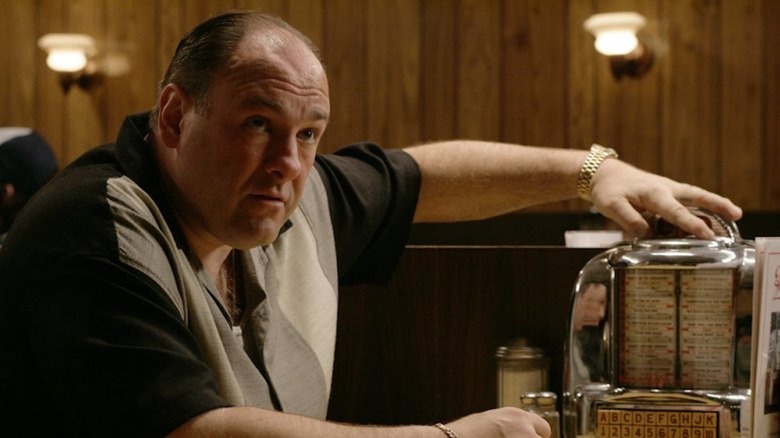
For most viewers, TV shows don't just mean cheap entertainment or mind-numbing escapism. When shows are artfully put together, they can make us laugh, cry, or change our perspective on life. But it's not just the scripts, on-screen characters, and visual effects that move us. As we are about to show — with examples that you likely remember all too well — it is the music chosen to soundtrack TV shows that has the greatest power to cut to a viewer's emotional core.
For this article, we've selected five moments — excluding TV show theme music — when a rock classic has been crucial to making a TV scene iconic. By helping establish the right tone, these songs have helped give TV shows emotional heft, tugging at viewers' heartstrings in just the right way to make the scenes in question truly unforgettable — and be remembered as some of the finest moments in television history. (And yes, this article contains spoilers.)
Don't Stop Believin' — Journey
The big daddy of prestige TV, David Chase's "The Sopranos" set the standard for the big-budget shows that rose in its wake. More than simply a show about Italian-American gangs, "The Sopranos" begins with the simple premise of a Mafia boss going to therapy and builds out from there, exploring ideas of psychology, family, duty, and the nature of good and evil. Central to the show is Tony, the kingpin of a New Jersey crime gang. He is also a husband and father, who throughout the show delves further into darkness as he attempts to keep his life in balance and his family — including his crime syndicate — afloat.
By the time the show reaches its finale, all kinds of chaos has happened, and many principal characters are dead, but it seems Tony and his family have made it to safety. In the series' final scene, he is seated in a diner, facing the door, waiting for his family to arrive. As he does, he turns to the table's jukebox and selects Journey's 1981 classic "Don't Stop Believin'," which begins playing. As the rest of the Sopranos gradually arrive, Chase's masterful direction makes it quite clear that, even here in a crowded restaurant with his known enemies dealt with, Tony is still vulnerable: Anyone coming through the door could potentially be there to kill him. The use of "Don't Stop Believin'" and the show coming to a decisive end on the lyrics "don't stop" have become iconic with fans, who still debate the exact meaning of the scene and the song's deployment to this day.
Running Up That Hill (A Deal with God) — Kate Bush
At one point, Kate Bush had never achieved a Billboard Top 5 hit single in the U.S., despite exerting a huge influence over generations of musicians from Lorde to Outkast's Big Boi. But that all changed in 2022, when the British art rocker's classic "Running Up That Hill (A Deal with God)" appeared in a pivotal scene in the Netflix phenomenon "Stranger Things." Set in the 1980s, the show sees the young residents of Hawkins, Indiana, struggling to deal with the forces of the Upside Down, a horrifying anti-world from which deadly monsters emerge. As the kids do battle with the creatures, they take their lives into their own hands and exhibit levels of bravery beyond their years.
"Running Up That Hill" is featured in Season 4, Episode 4. Max, a young girl who is sitting in a trance at her brother's grave, is targeted by the demonic villain Vecna. The creature attempts to destroy Max with the guilt she feels over the death of her brother, but her friends play her favorite song, "Running Up That Hill," through her Walkman, which gives her the strength to escape the encounter. Bush received a huge influx of new fans following the song's use in "Stranger Things," and she has been public about how pleased she was with its place in the story. She is famously shy of the public eye nowadays, and it remains to be seen whether her unexpected cultural moment has spurred her to undertake any new projects.
Baby Blue — Badfinger
"The Sopranos" definitely popularized the on-screen antihero — a main character that the audience can't help identifying with even as they commit immoral acts. But it was Vince Gilligan's "Breaking Bad" that arguably mastered the formula. Brian Cranston was incendiary as Walter White, the terminally ill chemistry teacher who turns to crime to pay his burgeoning medical bills behind his family's back, eventually becoming a full-blown monster in the process.
The final episode of "Breaking Bad" finally sees Walter receive his comeuppance. After playing cat-and-mouse with the police for the show's five-season run, he is mortally wounded in a shootout, having already alienated his family and former allies. As he reflects on his downfall and succumbs to his wounds, the opening bars of Badfinger's "Baby Blue" begin to play. As well as having a tone that is suitably balanced between melancholy and defiance, "Baby Blue" opens with the fitting line: "Guess I got what I deserved." Its perfect placement in the finale of "Breaking Bad" has brought a renewed fandom for a great song by an underappreciated '70s band you probably completely forgot about.
Street Spirit (Fade Out) — Radiohead
"The Handmaid's Tale" is the harrowing TV show based on the novel of the same name by the acclaimed Canadian writer Margaret Atwood. The story takes places in a dystopia called Gilead, in which the titular handmaids find themselves enslaved purely for the purpose of procreation. A powerful feminist parable, it sees the principal characters, led by Elisabeth Moss' June Osborne, attempt to escape their subjugation.
In one high-octane scene at the end of Season 4, Episode 3, Osborne and five other handmaids are in transit when their driver stops to make a toilet break. Osborne attacks their handler, Aunt Lydia, and the group attempts to flee, using a passing train as cover to help them escape. It's a desperate plan, and the scene undoubtedly moved many to tears as they watched the show's beloved characters put their lives on the line in an attempt to win their freedom.
To soundtrack the scene, the show offers up an equally desperate song: Radiohead's 1995 classic, "Street Spirit (Fade Out)." The track reflects the bleak, precarious existence of the women, with disturbing lyrics such as: "Cracked eggs, dead birds, scream as they fight for life / I can feel death, can see its beady eyes." The instrumental is equally unnerving, and from the very first bars it seems predetermined that the women's escape is destined to fail.
Brothers in Arms — Dire Straits
"The West Wing" was another era-defining TV show that contained one of the most famous needle-drop moments in history, featuring the Dire Straits epic "Brothers in Arms" in unforgettable style. The political drama, created by Aaron Sorkin, follows the life and career of Josiah "Jed" Bartlet. Played by Martin Sheen, the Democratic U.S. president and his White House staff attempt to manage the executive needs of the country as well as position Bartlet for continued political success.
Despite offering a realistic portrayal of political high office, "The West Wing" also offers moments of incredible cinematic power. "Two Cathedrals," the final episode of the show's 2nd season, sees Bartlet rage at God himself in both English and Latin following the tragic death of his beloved secretary, Mrs. Landingham. As he faces his grief, he is under pressure from the press and his team to decide whether he will seek reelection.
The memory of Landingham, who encouraged Bartlet in his early career, weighs on the politician as he makes his decision. As the season comes to an end, "Brothers in Arms" soundtracks Bartlet and his team moving into position for a press conference addressing his political future. The unique atmosphere the song creates reflects the comradeship among the characters and offers commentary on the decision that is also hinted at on-screen during the episode's final moments.