

5 Hits That Prove 1976 Was The Decade's Best Year For Breakup Songs
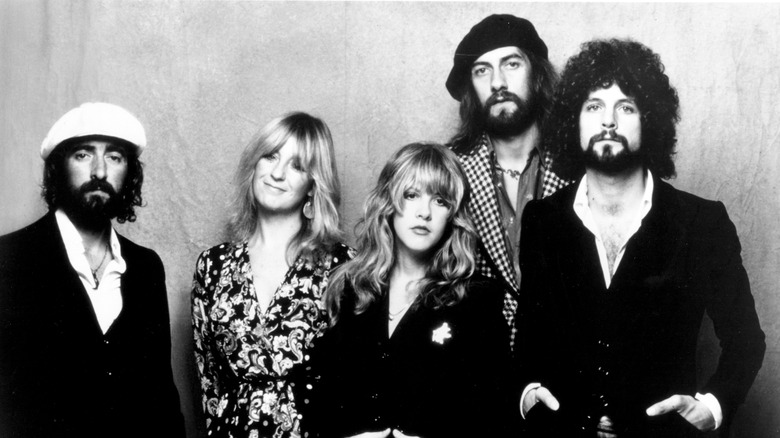
The 1970s were a fantastic decade for music, but there was something in the water in 1976 that just made every tune bigger and bolder. So many songs from 1976 define rock history (and sound even cooler today), but not every tune that year was filled with good vibes and rockin' guitar riffs that made you feel alive. Naturally, there were songs that addressed one of life's most painful situations: Breaking up with the one you love.
Admittedly, listening to songs about heartache isn't exactly a mood lifter. Make no mistake, though — hearing these stories of love and loss can be cathartic, and these breakup songs from 1976 are truly the best from the entire decade. They're filled with heartfelt lyrics, emotional melodies, and profound vulnerability that still cut deep decades later. Breaking up is always hard to do — but it's a little more bearable with these hit songs to lean on.
Go Your Own Way — Fleetwood Mac
"Go Your Own Way" is one of those breakup songs that will get every boomer mad again — and for good reason. Lindsey Buckingham's sharp, intense take on his breakup with bandmate Stevie Nicks seethes with emotional tension that can only come from the loss of an epic love. The song was released in December 1976 and hit No. 10 on the Billboard Hot 100 chart in March 1977, just a month after the band's legendary album "Rumours" dropped.
You feel how personal "Go Your Own Way" is the moment it starts, with the lyrics "Loving you isn't the right thing to do" introducing Buckingham's side of the story with the subtlety of a knife. The song paints a picture of aggravated resentment as Buckingham sings about giving someone the world only to have them reject it. Anyone who has ever felt scorned by an ex-lover can relate to his words and identify with the yearning disdain in his voice.
"Go Your Own Way" became one of Fleetwood Mac's most successful songs, but it's far from the only breakup track on "Rumours." Nicks penned several songs about her breakup with Buckingham, including "Dreams," a calm-yet-poignant tune that lays out Nicks' side of the story in the wake of "Go Your Own Way." "Dreams" is one of Fleetwood Mac's biggest hits, and "Rumours" gained notoriety as an iconic album fueled by interpersonal turmoil ... but at least it made for good rock 'n' roll.
If You Leave Me Now — Chicago
Buckle up: This is one of those '70s breakup songs that will take you back to your first heartache. Chicago is known for big, bold horns and mellifluous melodies that get stuck in your head, but the group proved it could pack an emotional punch with 1976's "If You Leave Me Now." This tender and vulnerable tale of a lover desperately trying to prevent a breakup struck a chord with audiences, topping the U.S. Billboard Hot 100 chart in October 1976 (and was the band's first song to do so, by the way) and earning the act a Grammy for that same year.
There's a soft-yet-powerful sadness to "If You Leave Me Now" that hits you square in the feels. Peter Cetera's vocal range perfectly captures the heartache of a love that's on the cusp of breaking down as the strings and horns create a dynamic ambience mirroring the highs and lows of a relationship on the fritz. The chorus, in particular, highlights the desire to keep the bond going, with Cetera saying their love is too good and rare to let go and how they may regret the decision the next day. "If You Leave Me Now" is the quintessential breakup song for anyone who's believed in their relationship and fought to keep it alive, even if the effort was futile. If you've been there, put this song on and sing all the emotions out with Cetera.
She's Gone — Hall & Oates
Hall & Oates' "She's Gone," a soulful ballad detailing the gut-wrenching realization of a relationship's end, is one of the best breakup songs of not just 1976 but the whole decade. The tune tells a painful story of someone coming to terms with a breakup — a story John Oates related to at the time of the track's creation. In an interview with Sound Space at Audacy Detroit, he shared something fans might not know about Hall & Oates' history: He started writing the song after being stood up on New Year's Eve. "I played it for Daryl — he dug it," Oates shared. "He sat down at the piano, and we literally wrote that song in almost the time it took to play it. It just came out."
"She's Gone" was originally released in 1973 but got way more attention when it was rereleased in 1976. It hit No. 7 on the Billboard Hot 100 chart in October that year and elevated the duo's superstar status. The song itself is a vivid representation of the emotional rollercoaster a breakup takes one on — the quiet coping, the intense buildup of realization, then the explosion of emotion that tears your life upside down. The chorus is the most powerful and heart-wrenching part of the number as Hall belts about the agony of losing his love, singing, "She's gone, she's gone / Oh I, oh I / I'd pay the devil to replace her / She's gone, and she's gone / Oh why, what went wrong?"
Kiss and Say Goodbye — The Manhattans
The opening words say it all — "This has got to be the saddest day of my life." R&B darlings the Manhattans delivered one of the most heartbreaking breakup songs with 1976's "Kiss and Say Goodbye," a soulful farewell to a relationship that's run its course. Bassist Winfred "Blue" Lovett penned the track when inspiration struck him as he tried to rest, and he just knew he had something special on his hands. The song topped charts in the U.S. and across the globe, becoming a smash hit that defined the group's career.
So many things make this breakup song one of the best of 1976. Listening to Lovett's brutally honest confrontation in the intro immediately puts you in the shoes of the person being broken up with and gives the song an extremely personal touch. That authentic sadness, combined with the accompanying soulful vocals from the Manhattans, creates an emotionally charged atmosphere that only R&B can deliver.
Another thing that makes this song so agonizing is its overall narration. The lyrics make it clear that this breakup isn't happening because the two subjects don't love one another — they're breaking up due to external factors, and even though it hurts like hell, they know it's the way it's got to be. It's the definition of "right person, wrong time," a tragedy of the heart many people know all too well.
Sorry Seems to Be the Hardest Word — Elton John
Elton John masterfully uses piano to build up the emotions of his songs, and that talent is on full display in 1976's "Sorry Seems to Be the Hardest Word." The song is four minutes of soulful and raw-yet-beautiful pleading from someone desperate to be seen and heard in a dying relationship. Anyone who has been at an impasse with their partner can relate to the opening lyrics, "What do I gotta do to make you love me? / What do I gotta do to make you care?"
And plenty of people did relate to it, as evidenced by its success. "Sorry Seems to Be the Hardest Word" reached No. 6 on the U.S. Billboard Hot 100 chart in December 1976 and went on to sell more than 1 million copies in the United States. True story about this Elton John tune: It threw a bit of a curveball into the creative process between John and his songwriting partner Bernie Taupin. Taupin typically penned the lyrics first before John wrote any music, but in the case of "Sorry Seems to Be the Hardest Word," John took the lead on writing the first lines and coming up with a melody.
Clearly, the small change paid off. The song's heartbreaking storytelling, combined with the masterful piano composition, is still a hit 50 years later. The tune is a riveting take on a lover's dilemma — do you put aside your pride for love, or do you leave the relationship with your ego intact? No matter which option you choose, someone's getting hurt.