

Vertical Or Horizontal: What's The Best Way To Store Vinyl Records?
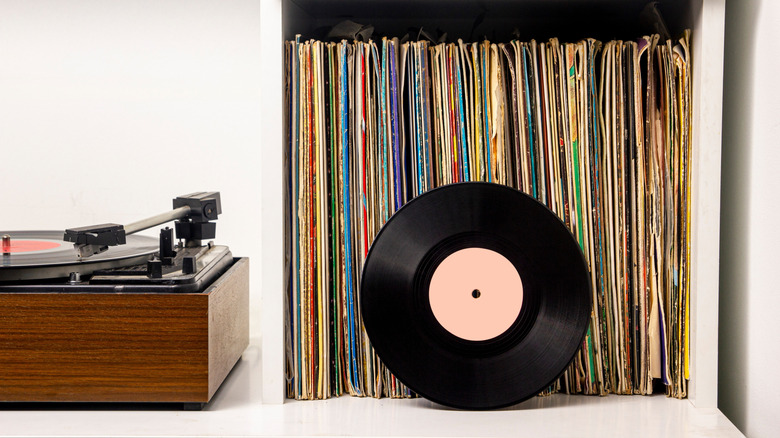
In the mid-2020s, vinyl sales in the U.S. continued to rise, exceeding $1 billion in 2025, with the medium's continued success driven by a surprising demographic: Gen Z. That new breed of collectors has revived one of music's oldest debates: What is the best way to store vinyl records? While some think there is no perfect solution, the majority of experts, including collectors, insist vertical storage is the way to go.
Whether you love to collect 7-inch singles or prefer the larger, 12-inch disc, there are several obvious advantages to stacking your records vertically, the least of which is ease of access, but it also protects the integrity of the disc itself. Standing them vertically minimizes the ingress of dust or dirt, ensuring those grooves stay clean and skip-free. Vertical storage also allows for even weight distribution along the edge of the sleeve and the artwork, handy if you come across any prized vinyl gems at a thrift store or estate sale. But the biggest advantage of vertical storage is that it minimizes the likelihood of the worst thing that can happen to any vinyl record: warping.
Horizontal stacking is okay, but only in certain circumstances
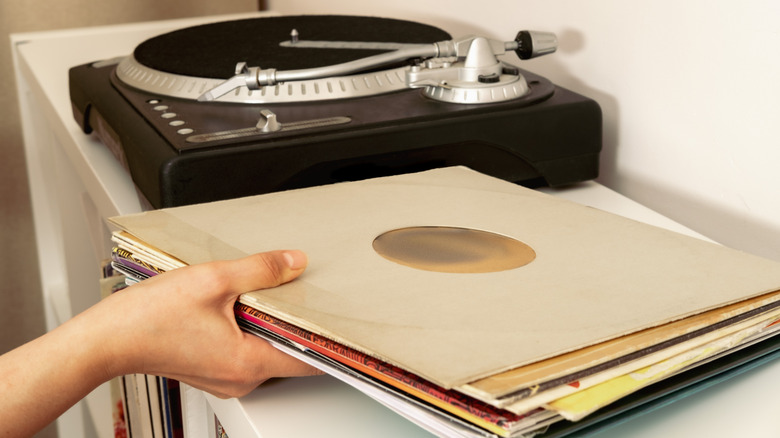
Go into any record store and you're unlikely to see many vinyl albums stored flat, but that doesn't mean it's not okay to do so — in certain circumstances. Having no more than 10 vinyls laid horizontally for a short period of time, say if they're in a box because you're moving house, or you want to show off a few prized albums to friends, is unlikely to cause damage. But leave them like that for too long or stack too many in the pile (50 records can weigh over 16 pounds) and you run the risk of warping, flattened grooves, and — potentially the most terrifying of all for genuine collectors' items — sleeve damage from the record pressing on the cover, also known as ring wear.
Caution should also be taken with vertical storage. Standing your records at even the smallest angle can distort their shape, pressing down on the bottom half of the disc and bending it just enough to cause problems without you even realizing. A less-than-2-millimeter warp can potentially degrade the sound when your vinyl hits the turntable and reduce the resale value of vintage records. To avoid this, insert wide-faced rigid dividers at regular intervals among your collection, and don't be tempted to cram in your vertically stored records, as this will also increase the support. Allow just enough space for each one to slide in and out easily.
Tips for keeping your vinyl collection in peak condition
As well as opting for vertical storage, there are a few other essential steps that will help ensure your vinyl collection stays tickety-boo. Make sure they are stacked on shelving that can take the accumulated weight, and keep an eye on the temperature of the room they're kept in. Don't store them next to a heat source like a radiator, and control the climate as much as possible, ideally within 65 to 75 degrees Fahrenheit; for those living in climates with large temperature ranges, it's best to avoid basements or attics. The same applies to humidity, which should be kept between 35% and 50% to avoid mold damage to the paper or card sleeves.
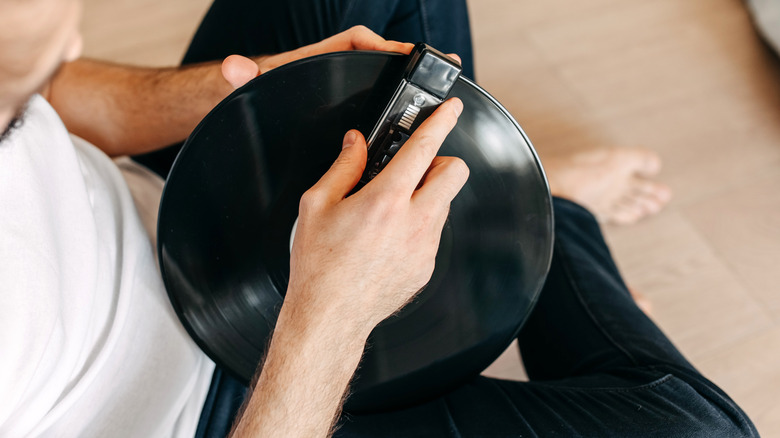
Many experts also recommend using archival-quality or high-density polyethylene inner and outer sleeves to protect both the disc and the album covers themselves. When you want to listen to your disc, invest in a record cleaning solution and a quality brush, and make sure to use them before each play. For the average Gen Z vinyl buyer, all this might sound like a lot of fuss, but it's worth it to ensure the album you love today will still sound amazing in five, 10, or even 20 years' time.