

5 Disco Songs That Transport Boomers Right Back To Their First Dance Club Moment
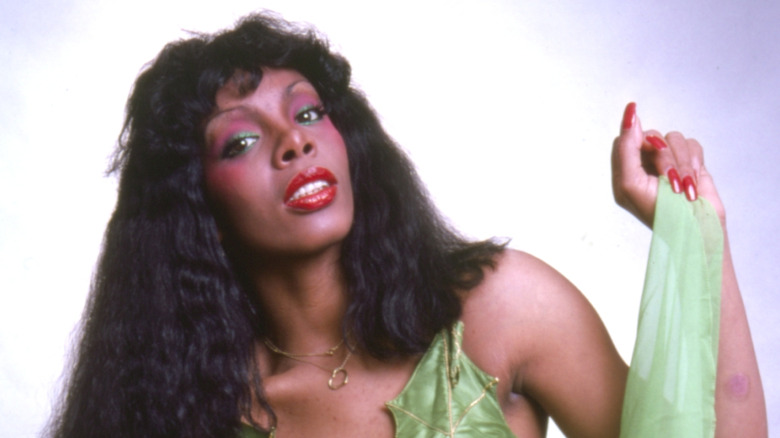
All it takes is a few notes from the most recognizable songs from the disco era, and boomers are spirited back to their first visit to the club. Disco DNA was percolating through the musical genome long before it became a full-blown phenomenon, but the hipsters of the day came to appreciate what it offered at their own pace. This meant early adopters found their place on the dance floor with earlier tunes than some of the latecomers, which presented a dynamic range of disco songs that flipped the switch and got their respective parties started. Put them all together, and you have a suite of disco hits that gave boomers a danceable soundtrack all their own.
We had a blast shuffling through the disco jukebox to round up five songs we think give boomers a rowdy reminiscence of their earliest experiences with the '70s dance scene. Prototypes like "The Hustle" by Van McCoy got the party started, while thumpers like "You Should Be Dancing" by the Bee Gees and "Don't Leave Me This Way" by Thelma Houston kept the good times rolling. By the time Donna Summer dropped "I Feel Love" on the world and Gloria Gaynor set turntables sizzling with "I Will Survive," the sparkle was already starting to fade from the disco ball. Despite the messed-up history of disco, rhythm-addicted boomers got in while the getting was good and made lasting memories that can be reignited with a thoughtful playlist and a polyester leisure suit.
Don't Leave Me This Way — Thelma Houston
The slinky rhythm and golden vocals of "Don't Leave Me This Way" gave Thelma Houston a seminal disco hit that got the bell-bottom-pantsuit set up and grooving with little prompting. Everything from the subdued opening to the whisper-to-a-shout vocal lift to the string-section tornado is pure disco camp, laying down a beat with heart and heat that helped boomers of a certain age discover the sexy groove of the disco movement. If this feisty jam couldn't get you to give the dance club a try, nothing could.
But Houston's disco-fied version wasn't the first recording of the song. That honor belongs to Harold Melvin & the Blue Notes, who released the original in 1975 with Teddy Pendergrass giving all he had on vocals. The result has more of a horn-heavy R&B character and sounds like a perfect recreation of Barry White's recipe for saucy, sensual shenanigans. But Thelma Houston's cover taking a female perspective coated in disco-ball glitter makes the song soaring and triumphant; she's asking her paramour to stick around now that the heat has been turned up to a rousing boil, and she's inviting everyone to put on their platform shoes and dance along to it.
Boomers sent this tune to No. 1 in 1976, and the industry rewarded Houston's performance with a Grammy for female R&B vocal performance. Billboard ranked it at No. 55 among the best dance songs of all times.
You Should Be Dancing — The Bee Gees
The Bee Gees put the whole concept of disco in the title of "You Should Be Dancing," a logical move for a song from the soundtrack of "Saturday Night Fever," the ultimate disco movie. Of course, boomers will remember the chain-laden hairy chests and high-heeled good times of "Stayin' Alive," but the faster-paced shuffle of "You Should Be Dancing" — which dropped in 1976, the year before "Saturday Night Fever" was released — offered an intoxicating beat that told anyone brave enough to hit the club that yes, you can dance to a song this brazen and challenging.
The formula used here is intricate; frenzied percussion percolating in the background lays a rhythmic tapestry for the Gibb brothers to burnish with their golden falsetto harmonies. Lyrics describing a woman who loves to move and groove and seems to encourage her lover to do the same provided a simple scenario: Get out and dance. Originally part of the band's "Children of the World" LP, the tune was a fitting addition to the "Saturday Night Fever" soundtrack. It was already a proven hit that could give the movie and its accompanying music a boost, though it didn't seem to need much boosting.
The song became a No. 1 smash in 1976, thanks to boomers embracing a dance movement that belonged to their generation alone. To these club-hopping youths, "You Should Be Dancing" was more than just a song; it was a directive they followed whole-heartedly.
I Feel Love — Donna Summer
The rapid-fire synth bass arpeggios in Donna Summer's "I Feel Love" created an iconic beat that became the backbone of modern electronic music. But before 1977 became known as the decade's best year for disco, "I Feel Love" was just an innovative dance song that eschewed the more stereotypical arrangement for something sleek and futuristic. It was a No. 6 hit on the Billboard Hot 100 and gave many a boomer enough spark to inspire their foray into the club scene of the '70s.
Summer had already released dance-oriented music by the time "I Feel Love" came around; her controversial song "Love to Love You Baby" heated up the charts and hit No. 2 in 1976. But this new dance tune was a bit more inviting, with a sound that seemed to be built on the dance floor from the foundation up. It helped crown her the Queen of Disco, thanks to some techno razzmatazz from synth god Giorgio Moroder of later "Flashdance" fame. Together, he and co-writer Pete Bellotte crafted Summer a slippery thump that disco fiends couldn't help but bop along with.
The cutting-edge cyber sleekness was a perfect backdrop for Summer's otherworldly vocalizing, at times slipping into a mesmerizing high-pitched tone that felt futuristic. The early use of synths to provide a glossy disco sono-sphere gave a glimpse into the EDM era yet to be. For the moment, boomers were happy to just shake their groove things to Summer's shimmering tune.
The Hustle — Van McCoy
If you were headed to the dance club when "The Hustle" was part of the playlist, you couldn't get your feathered hair onto the dance floor fast enough. The coordinated dance steps turned the whole disco into a line-dance display, making it easy for novice dancers to keep up with the more seasoned shufflers. Lucky boomers even had visual charts available showing the steps to the Hustle to ensure the footwork went off without a hitch. There are still plenty of online tutorials to help disco dancers get the steps down, whether they're learning it for the first time or reliving their boomer dance hall days.
This mostly instrumental piece took full advantage of spirited flute work, using the peppy piped notes as a melodic chorus without a singer. Just a cadre of vague voices whisper-shouting "Do it!" and "Do the hustle!" was all it took to unleash the energy of the wordless chorus after a swirl of disco-favored elements like swelling strings and throbbing bass gave boomers in the club a few seconds to limber up their money-makers for proper shaking.
Van McCoy, the composer behind the song, was a prolific songwriter who racked up over 700 copyrights for his musical creations during his lifetime. He worked with some of the greats of soul and R&B music, including Aretha Franklin, Gladys Knight, and Peaches & Herb. But this 1975 song that helped define disco is one that instantly reverts boomers back to their youth.
I Will Survive — Gloria Gaynor
Who didn't feel the stirrings of disco fever when Gloria Gaynor started in with "At first I was afraid, I was petrified" from her all-time disco classic "I Will Survive"? It's impossible now to think there was a day when the young and hip were hearing this timeless treasure of a tune for the first time, wondering what whirlwind of sonic glitter had just swept over them. Gaynor puts just enough crackle in her voice to convey the underlying pain amidst her tale of surmounting the heartbreak. The emotional heft combined with the battery-charging energy to create a one-of-a-kind dance club hit that became a cultural touchstone.
The song transcended disco in its post-'70s life, becoming an anthem of empowerment both romantic and personal. But back in the day, it was a party-starter that gave everyone a few beats to put their drinks down and find their place on the floor before the grooving began. There's no chance a boomer can hear those opening strains without their nervous system gearing up for the bold disco display they'll be launching into when the beat drops.
Though "I Will Survive" began as a B-side tune that turned into a No. 1 smash, it's also been adopted as a musical pledge of self-allegiance to marginalized groups, most notably the LGBTQ+ community. The ferocity of Gaynor's performance gave boomers great memories of their earliest club experiences, and it's kept fists raised and feet shuffling ever since.