

How Long Do Guitar Amps Last?

It'd be nice if amps were as simple as "plug in guitar, get big sound," but they're actually complex pieces of technology that require a lot of care and maintenance. Amp lifespans depend on a mountain of factors, but you're typically looking at 10 to 15 years on average if played regularly and well-maintained, possibly longer.
"On average" covers everything from cheap, poorly soldered amps that can die in a handful of years if abused to expensive solid-state amps that can last for decades upon decades. Like anything else, amps wear down more quickly if used more often, like a phone, a pair of shoes, a sponge for washing dishes, etc. Acoustic guitars can last for hundreds of years under optimal conditions, but this simply isn't the case for electronics, which are especially vulnerable to light, dust, humidity, and heat. This is why you've got to go through extra work to keep an electric guitar in good condition, and the same goes for amps, which need to be regularly dusted, kept ventilated, and turned off when not in use to keep the temperature down. Then there's the type of amp, which boils down to tubes versus solid-state, with the former using glass tubes that need to be replaced, and the latter using transistors.
In the end, it makes the most sense to think of your amp's lifespan in terms of hours. Tube amps can live up to 10,000 hours, while solid-state amps can last as long as 30,000 hours.
Tube amps vs. solid-state amps
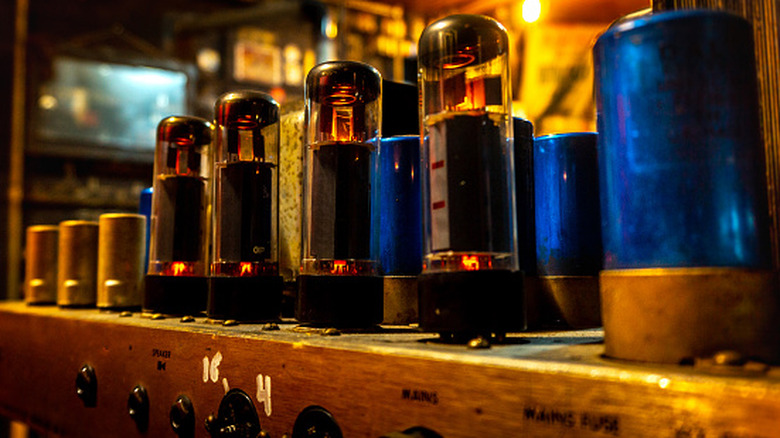
The biggest factor that influences your amp's lifespan is whether it's a tube or solid-state amp. Tube amps require more maintenance to stay operable and not crackle, pop, buzz, hiss, or exhibit other such quirks that indicate your amp is in need of repair or service. However, tube amps are often lauded for producing a warmer, richer sound, so the choice is up to the guitarist. Furthermore, since tube amps date back to the 1920s and were largely phased out by the 1980s, they are vintage items that retain their own market and appeal, kind of like a hi-fi stereo system that every music lover had in the '60s.
Speaking of the tubes themselves, they'll likely have to be replaced before the amp itself dies, which could be anywhere from 1,000 to 10,000 hours. Power tubes (main amplifiers of sound) and preamp tubes (initial sound amplifiers) each have their own durability, brands, sizes, and types. Some tubes might die in 1,000 hours (less than six months), while others might last up to 10,000 hours (about five years). You can try to replace these yourself, but unless you're an electrician or very experienced at repairing electronic components, you really ought to take your amp to a shop.
Then there are solid-state amps, digital devices built on transistors dating back to the '40s; these are the standard nowadays. Smaller, lighter, and crisper, they still might need to have their transistors swapped, especially if they're treated poorly.
General amp maintenance tips
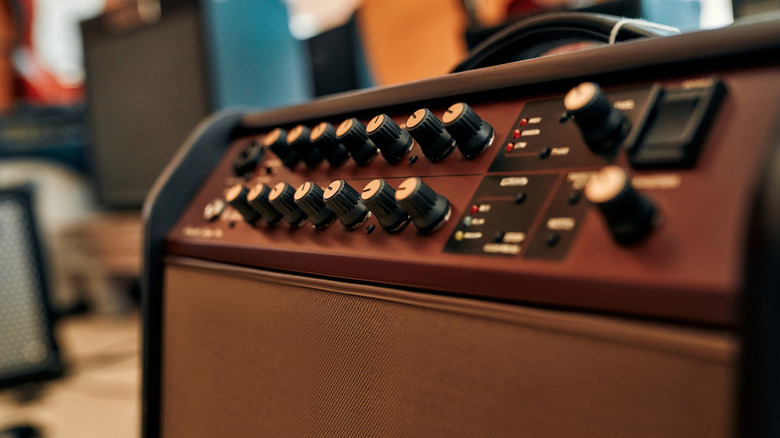
If you commit to getting an amp, even a cheap, sub-$50 beater, you're implicitly committing to making it last as long as possible. For starters, electronics don't do so great when they overheat, so amps need good airflow when they're in use. Dust is a real killer, too, so you've got to physically clean not just the exterior of the amp, but also the interior, which is best done with compressed-air cans. How you play also affects an amp's lifespan. High volumes wear down amp components faster, not the least of which because sound physically shakes them.
Worst-case scenario, you'll know you've got trouble when you start to hear weird noises, such as cracks, pops, and hisses. Different sounds may even indicate a problem with a particular component, such as worn-out power tubes producing a buzzing sound rather than a hissing sound. If this happens to either an ultra-cheap amp or a 30-year-old amp that you've kept on life support, try as you might, it might mean you've got to kiss it goodbye.