

5 Vinyls Every Neil Young Diehard Should Already Own

Neil Young has always gone his own way, letting his muse lead him from contemplative folk to feedback-studded rock and even further afield into experimental synth-pop. With a catalogue 60 years deep, there are a lot of his vinyl records to collect, but we're betting diehard fans already own some of his most important work. There are major albums like "After the Gold Rush," from 1970, that kicked off what critics have called one of rock's most successful solo careers of that decade after he left his bands Buffalo Springfield and Crosby, Stills, Nash, and Young.
While the early '70s were a fertile time for Young, with classics like "Harvest" from 1972, there are some later LPs that true fans are also likely to have in their collections. There's 1979's "Rust Never Sleeps," which embraced punk on Young's own terms, and "Ragged Glory" from 1990, an album that presaged grunge and helped launch Young's second act. All the albums we've chosen are beloved by critics and fans and have stood the test of time to earn the right to be included in any diehard Neil Young fan's record collection.
After the Gold Rush
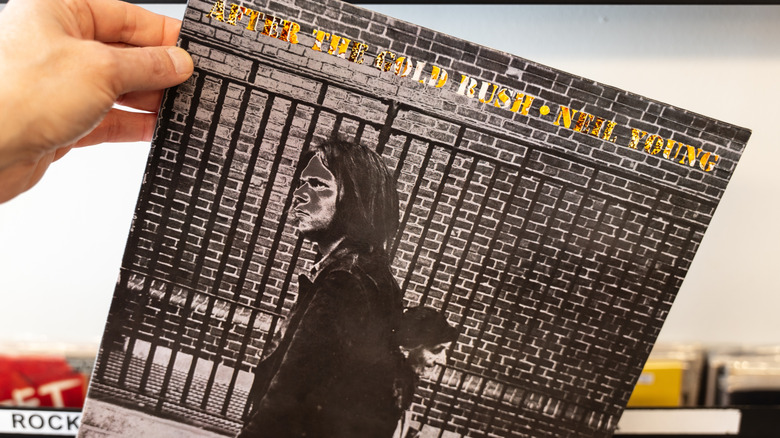
In 1970, Neil Young released his third solo album, "After the Gold Rush," an album that not only continues to top the lists of Young's greatest albums from critics and fans but also finds its way onto lists of the best albums of all time. The record showcases Young's many talents as both singer and writer with songs that run the gamut musically. There's the piano-driven spacey title track to the barn-burning "Southern Man" to the short, upbeat folk-rocker "Cripple Creek Ferry" that ends the album. And there's absolutely no filler. Every track is a classic.
Even with the range of musical styles Young took on, the album hangs together as a cohesive statement. It was recorded in his home studio in Topanga Canyon in LA County, which gives it a sense of intimacy and immediacy. This is reinforced by Young's penchant for often short and unpolished songs recorded without a lot of rehearsing beforehand. Notably, the album includes a teenage Nils Lofgren on piano (rather than guitar). The album is a must-have for any Young fan.
Harvest
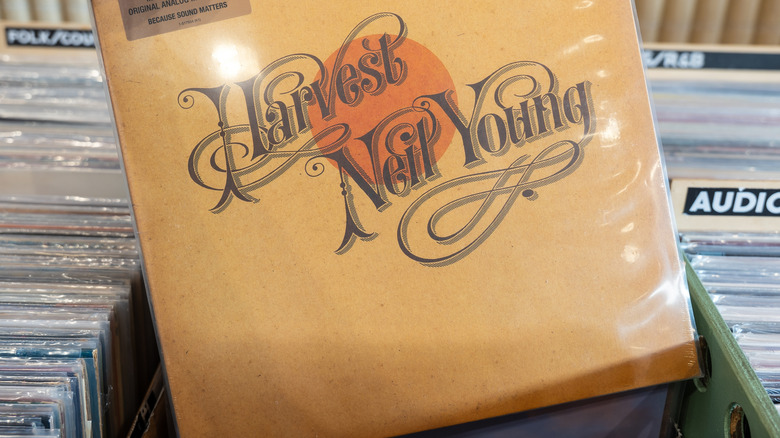
"Harvest" is probably Neil Young's best known album and often a gateway for newbies to discover his catalog. When it came out in 1972, it was a massive success, with the album reaching No. 1 on the Billboard 200 and the single "Heart of Gold" making it to the top of the Hot 100. Because of this, many of the songs from the album have become classic rock radio staples. That isn't a bad thing considering how great those songs are.
There's "Old Man," a track that nails the meaning of life; the orchestral "A Man Needs a Maid," and the melancholic "The Needle and the Damage Done" about the ravages of heroin addiction. This is another Young album without any subpar songs on it that hangs together as a cohesive whole. Musically, "Harvest" can generally be considered within the realm of folk-rock, but even within these confines, the songs range from solo stripped-down acoustic guitar to the dramatically symphonic. "Harvest" is definitely in the record collection of any diehard Young fan.
Tonight's the Night
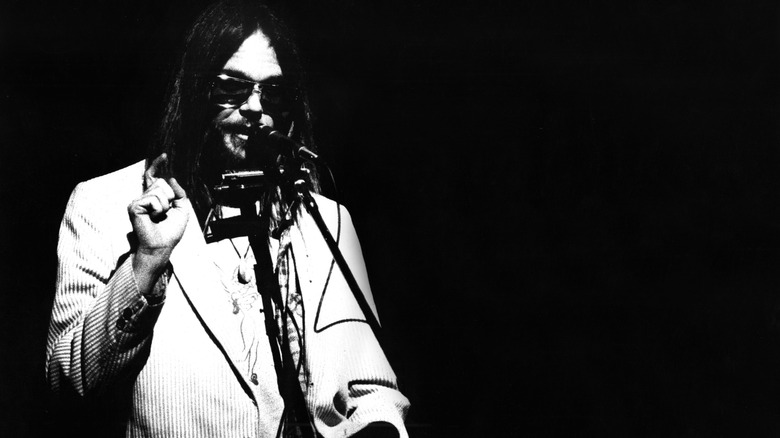
"Tonight's the Night," from 1975, sees Neil Young leaning more heavily into the raw, sketchy, and unrehearsed feel that he touched on with aspects of "After the Gold Rush." On the album's namesake opener, Young's voice is rough and strained after a long tour, and the band's playing is beautifully uncomplicated, underscoring the album's emotional depth. Young made "Tonight's the Night" in response to the overdose deaths of two of his friends, Crazy Horse guitarist Danny Whitten and CSNY roadie Bruce Berry.
The album includes "Come On Baby Let's Go Downtown" with Whitten on vocals, recorded live in concert before his death. Likewise, the single "Tonight's the Night" is about Berry and includes the line "Bruce Berry was a working man." It's the rawness, both musically and emotionally, of "Tonight's the Night" that marks it as one of Young's greatest albums. While much of the lyrical content of the album is bleak, there are a few more upbeat moments on "Tonight's the Night," including the country-rocker "Roll Another Number (For the Road)," with its honky tonk piano and pedal steel. Another tune that lightens the album's tone is "New Mama," a song about being new parents that includes gorgeous close harmonies. It's an album that definitely deserves a spot in the record collection.
Rust Never Sleeps
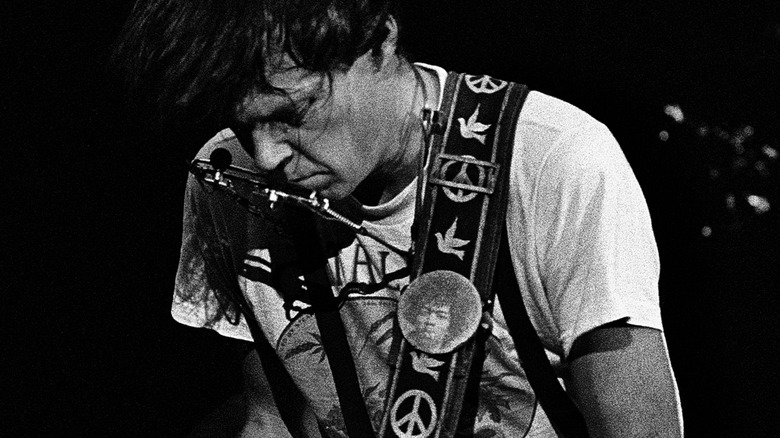
On 1979's "Rust Never Sleeps," Neil Young skillfully weaves together his two sides, the introspective singer-songwriter and the raucous rocker, with his backing band Crazy Horse. It's also unique for being entirely recorded live and later overdubbed in the studio. The first half of the album focuses on Young's acoustic side with songs like "My My, Hey Hey (Out of the Blue)" that starts the album and the haunting "Pocahontas," a time-traveling and multifaceted story song about the Native American genocide at the hands of European settlers.
Side two is a punk-infused rock 'n' roll roller coaster that starts with "Powderfinger," a song that only true fans appreciate. "Powderfinger" features Young's raw and rugged lead guitar work that matches the emotional intensity of this song about a young man dying defending his family home against overwhelming odds. The album ends with a reprise of sorts with a slightly altered title and lyrics from the album opener. "My My, Hey Hey (Into the Black)" is a distortion-drenched alter ego to the first version, and ably demonstrates Young's capacity for super aggressive rock guitar dynamics.
"Rust Never Sleeps" is a must-own album for Young fans, especially since it's one of the only formats (besides cassette tape) that allows the listener to experience the music as Young intended with the two very different sides.
Ragged Glory
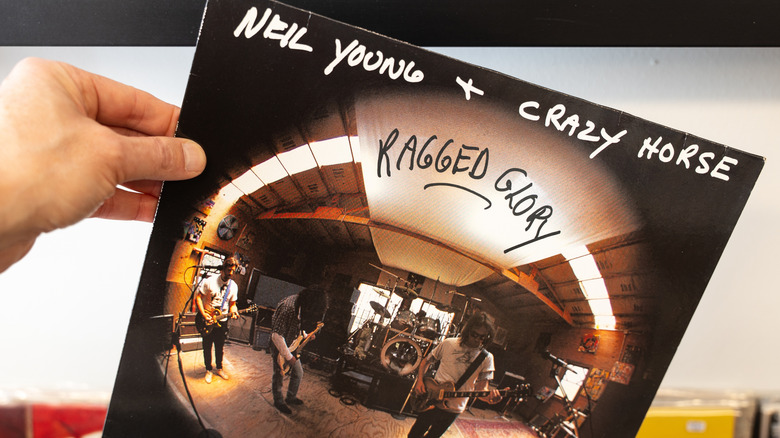
Following a decade of experimentation that included the synth-pop album "Trans" and rockabilly with "Everybody's Rockin'," Young returned to form with 1990s "Ragged Glory." After patching up a falling out with three members of Crazy Horse, they reunited for a muscular rock album with echoes of their earlier work that was anything but nostalgic. On songs like "F*!#in' Up" the power of Young and the band are on full display with a wall of distortion and Young's beautifully ragged and piercing guitar matched by titanic drums.
Other standouts include "Over and Over" and "Love to Burn." Both are meditations on love and showcase the interplay between Young and Crazy Horse, with the latter stretching out for 10 minutes. The album earned Young the title of the "Godfather of Grunge" and propelled his career into the coming decades with a legion of younger fans. It's an album that should be in any diehard fans' album collection along with the others on this list, before collecting both earlier and later work by Young with and without Crazy Horse.