

The No. 1 Song On August 8, 1984 Sounds Even Catchier Today
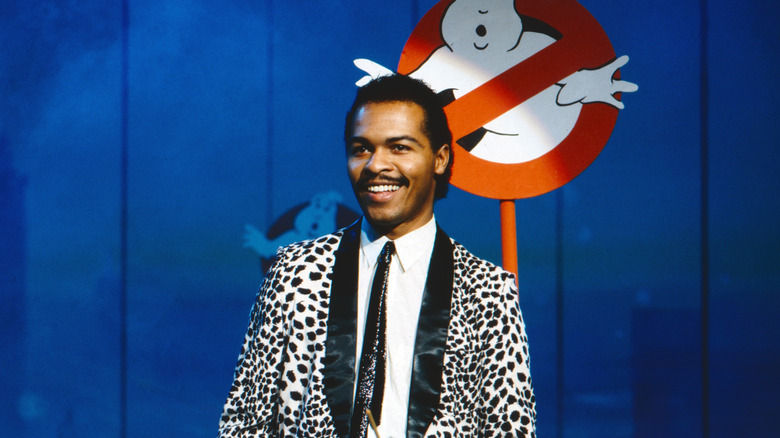
It was the No. 1 song in the U.S. on August 8, 1984, but over 40 years later, "Ghostbusters" is as irresistible as it ever was. Written for a movie and a massive Billboard hit, "Ghostbusters" was purposely built to be the jaunty, synth-rocking theme song for a sci-fi comedy movie also called "Ghostbusters." Released by an '80s musician we completely forgot about, Ray Parker Jr.'s tune ultimately spent three weeks at No. 1, helped along by the extreme blockbuster success of its inspiration, the top-grossing movie of 1984.
Propelled by a crunchy and unresolving hook, Parker asks the audience, "Who you gonna call?" while describing a series of paranormal events. The answer is, of course, the Ghostbusters, the movie's New York team of paranormal scientists played by an all-star lineup of comic actors.
"Ghostbusters" is such a likable song, loaded with Parker's charm, vocal riffing, and allusions to a pop cultural phenomenon, that it's no wonder it was such a big hit. But the scandalous ways in which the tune was reportedly conceived and executed demonstrate just how messed up the music industry was in the 1980s. Here's the spooky story behind Parker Jr.'s smash, "Ghostbusters."
Ghostbusters is eerily similar to a Huey Lewis and the News hit
A big part of why "Ghostbusters" is so catchy is because it was created to be that way, based on another song already well-received by mass audiences. By 1984, after a string of smooth R&B and adult contemporary hits, Ray Parker Jr. was actively pursuing movie soundtrack work, and when "Ghostbusters" producers came to him after reportedly passing on 60 other potential theme songs, he jumped at the chance. A working cut of the movie used '80s pop-rock star Huey Lewis' 1984 hit "I Want a New Drug" as temporary background music, but Lewis had denied its use in the film. Parker Jr. was likely exposed to the material, and "Ghostbusters" just so happened to wind up sounding a lot like "I Want a New Drug."
This did not go unnoticed by Lewis or his co-writer and guitarist, Chris Hayes, who sued and privately agreed to a settlement, with a legal caveat to never publicly discuss the matter. But then Lewis did just that, explaining the entire affair on "Behind the Music" in 2001. Alleging emotional distress and breach of a confidentiality clause, Parker Jr. said, "I sued him," on "The Adam Corolla Show" in 2016. "And I got money."