

5 Classic Rock Deep Cuts Every '70s Diehard Should Know
The 1970s were a seismic era for rock music, when the big beasts of the genre who had made their names in the previous decade broadened their sonic palettes and brought us harder, glossier, and weirder sounds than ever before. An astonishingly large amount of what was produced back then has stood the test of time, with streaming numbers for the Rolling Stones, Fleetwood Mac, and countless others showing that the music of the 1970s remains beloved in the 21st century — but not all of it has been remembered as well as it should have been.
For this article, we've dug out five classic rock deep cuts that diehard fans of '70s music need to know about. Either these songs weren't released as singles, or they were just somewhat overshadowed as album tracks by more prominent cuts. Nevertheless, from a little-known glam rock track from T. Rex to a cult classic from underappreciated hard rockers Budgie, these are hidden gems that you really deserve to know about.
Ballrooms of Mars – T. Rex
T. Rex may not have dominated the charts in the U.S. as successfully as they did in their native U.K. but Marc Bolan and his band were undeniable pioneers of glam rock whose discography exerted a huge influence on '70s and '80s rock musicians on both sides of the Atlantic. "Ballrooms of Mars" is a track found on the second side of T. Rex's album "The Slider," which hit No. 17 on the Billboard 200 when it was released in 1972, becoming their highest-charting American record.
The album features two famous T. Rex tracks: "Metal Guru" and "Telegram Sam," both of which were catchy singles that went to the top of the U.K. charts. But when it comes to deep cuts, the sprawling "Ballrooms of Mars" is arguably the standout. A different beast than the danceable stompers that characterize much of T. Rex's discography, "Ballrooms" is a woozy, mournful ballad, featuring an emotive vocal performance from Bolan contrasting with searing guitar solos.
Never a single, "Ballrooms of Mars" doesn't command the degree of attention of tracks like "Bang a Gong (Get it On)." Nevertheless, streaming numbers reveal that it is one of the album's most popular deep cuts.
Oklahoma USA – The Kinks
The Kinks' primary songwriter Ray Davies helped the band break into the mainstream with his garage rock gem "You Really Got Me" in 1964, but as the years went on he became revered for his ability to write songs that painted moving portraits of the emotional lives of everyday people. Davies' famous masterpieces include "Waterloo Sunset," which is frequently cited as one of the finest songs ever written.
But the Kinks discography runs deep, and there are ample deep cuts that are worthy of far more attention than they receive, especially in the group's '70s output. "Oklahoma USA" is a track found on the underrated 1971 studio album "Muswell Hillbillies," several of the songs of which are made up of Davies' recollections growing up in the Muswell Hill area of London.
A gentle acoustic guitar-led ballad, "Oklahoma USA" explores the inner world of a young woman who lives a mundane life in an old decaying house, but who dreams of being in Oklahoma, having been inspired by the musical of the same name, summoning the names of 1950s Hollywood actors. The song opens and closes with the elegant lines: "All life we work, but work is a bore / If life's for living, then what's living for?" It's Davies at his most reflective and memorable.
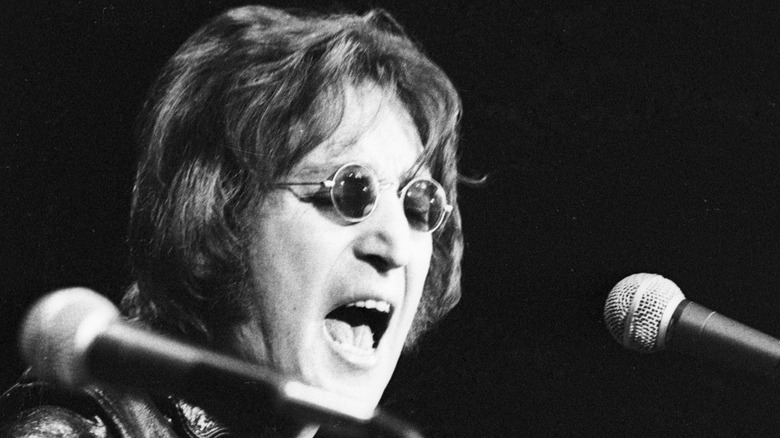
Bless You – John Lennon
The 1974 album "Walls and Bridges" was recorded when John Lennon was hitting a low ebb during his so-called "lost weekend," a period characterized by heavy drinking and an extended separation from his wife, Yoko Ono. The album in question reflects the rollercoaster Lennon was on; it's patchy, alternating between exuberant highs such as the Elton John duet "Whatever Gets You Thru the Night" and the lovely "#9 Dream," and filler such as the dull "Beef Jerky."
However, among the tracklist is one unfairly overlooked gem: the beautiful "Bless You." The track that Lennon claimed was the best on the record has received relatively little acclaim from critics, who have typically focused on the album's hits. But listen again and Lennon might be right. It really is a beautiful song, ruminating on his separation from Ono while also arguably containing lyrics that might also relate to the break-up of the Beatles, which interviews show still held a great deal of emotional baggage for Lennon by the mid-1970s.
The instrumental is lush and soulful, creating a dreamy backdrop for Lennon's tender vocal performance. It's a neglected gem in his solo discography.
Big Eyed Beans from Venus – Captain Beefheart and the Magic Band
Captain Beefheart is one of rock's most divisive figures. A source of inspiration for alternative artists like Tom Waits, his experimental work with the Magic Band, such as 1969's "Trout Mask Replica," has a reputation for being about as challenging and experimental as rock music can get.
By the early 1970s, the dissonance and chaos that characterized his late '60s work was beginning to soften, allowing for some incredible blues rock tracks that nevertheless retained his idiosyncratic vocals, surrealist lyricism, and the band's angular musicianship.
"Big Eyed Beans from Venus" appears on the back end of 1972's "Clear Spot" album, a comparatively conventional record that many fans agree serves as a welcoming entry point to Beefheart's work. The highlight of the track is the otherworldly performance from guitarist Zoot Horn Rollo, who Beefheart instructs to "play that long lunar note, and let it float," a moment of calm before Rollo lets rip. The track was a staple of the band's live shows, and the controlled chaos of the studio version gives some insight into why.
Breadfan – Budgie
Welsh hard rock trio Budgie were a beloved live act who never quite managed to break America, but they created one absolute cult classic for those in the know. "Breadfan," the opening track of their 1973 album "Never Turn Your Back on a Friend," is a wildly thrashy proto-metal number that sounds like nothing else released in 1973, characterized by its driving rhythm, roaring guitar, and the relentless vocals of frontman Burke Shelley.
Budgie was spotted by the agent of fellow proto-metal band Black Sabbath, and "Breadfan" alone shows why they caught his eye, and why they became a frequent support band for Ozzy Osbourne during the early years of his solo career. Understandably, the track has proven to inspire generations of later musicians, being covered by Metallica in 1988.
The cover helped bring Budgie many new fans across the world, prompting tours around the world. "Breadfan" remained the centerpiece of Budgie's live shows throughout their career before Shelley's retirement from live performance in 2010, but the original track still has the power to thrill, its perfectly-placed spacey middle section making the song's return to the original riff all the more impactful.