

5 Underrated Artists Every '70s Diehard Should Already Know
The 1970s were an era of musical legends. From hard rock titans like Led Zeppelin, Black Sabbath, and Queen to soul giants like Marvin Gaye, James Brown, and Aretha Franklin, the big beasts of popular music were creating some of their most enduring tunes. Half a century on, they're still considered among the best ever made.
But while many legendary acts have passed the test of time despite operating in a musical landscape that revolves around novelty, there are countless talented musicians from the 1970s that deserve far greater praise than they received. In this article, we shine the spotlight on five underrated '70s talents, from psychedelic R&B pioneer Shuggie Otis and Detroit proto-punk outfit Death to a little-known singer whose discography ranges from Joni MItchell-esque ballads to raw slide guitar. Whether you have heard of these acts already or will be exploring their music for the first time, it'll be a journey that reminds you that the music of the 1970s goes far deeper than that of the decade's biggest names.
Death
The story of punk's invention usually starts with the Ramones in the U.S. and the Sex Pistols in the U.K. With that said, there are scores of figures such as Lou Reed and Patti Smith who may be described as proto-punks who helped define the genre's sound, energy, and aesthetic. But the truth is that not all those who blazed the trail for punk in the early 1970s received the recognition they deserved.
The band Death is a case in point. Made up of three brothers from a Detroit family whose father was a Baptist minister, it may have been expected that the musically talented boys may have followed the decade's trends in pursuing Motown, R&B, or soul. But early encounters with the Beatles and the Who saw them embrace rock music. By the time they were recording together as Death, they were creating hard-hitting, caustic tracks that railed against the world around them with a sense of anger that few bands of the era could muster.
The whole album is excellent, but the fast-paced "Politicians in My Eyes" is arguably the band's masterpiece. Death's music was largely unknown for decades, but reissues and the eventual release of their album "... For the Whole World to See" and a recent documentary called "A Band Called Death" have reignited interest in the pioneering group. Today, they continue to perform and release new music, having reunited in 2009 with one new member, Bobbie Duncan, who replaced founding member David Hackney, who died in 2000.
Shuggie Otis
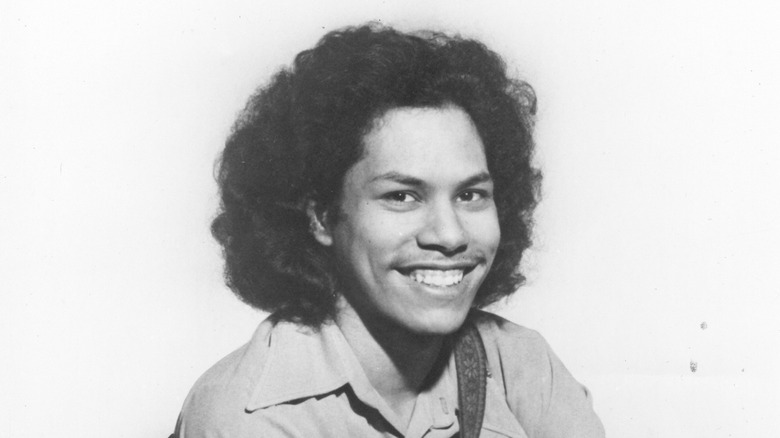
If you don't know Shuggie Otis, or at least don't think you do, there's a good chance you know his music. His most popular song, "Strawberry Letter 23," was an album cut on his 1971 release "Freedom Flight." But in 1977, it was a smash hit for the Brothers Johnson when it hit No. 5 on the Billboard Hot 100 and took the top spot on the R&B chart. It later featured on the acclaimed soundtrack of the 1997 Quentin Tarantino film "Jackie Brown."
The son of legendary blues guitarist Johnny Otis, Shuggie was undeniably a child prodigy who began learning guitar at the age of 2 and playing professionally at the age of 11. His 1970 debut, "Here Comes Shuggie Otis," was quickly followed by "Freedom Flight," which gained him some commercial traction and a respectable fanbase thanks to its pleasingly eccentric songwriting and eclectic instrumentation. Another album, "Inspiration Information," followed in 1974, but neither charted highly. Though Shuggie has maintained a patchy career as a live performer and returned with a batch of new material in 2013, he has remained a cult figure among soul and R&B enthusiasts whose discography, slim though it is, speaks to his status as one of music's unheralded greats.
Gary Wilson
Gary Wilson is one of the most intentionally unnerving artists in the history of pop. The creepy, obsessive aesthetic on his debut 1977 album "You Think You Really Know Me" belied his natural talent for catchy songwriting. It creates a strange effect of simultaneous attraction and repulsion and makes him a singular artist who certainly isn't for everyone but deserves far more attention than he has received.
Wilson was another child prodigy, a multi-instrumentalist who quickly came to embrace several diverse genres from jazz and funk to new wave to create his own distinctly outsider musical identity. Lyrically, many of his songs focus around themes of adolescent love and longing that nowadays may sound — to use our modern parlance — toxic. But such songs as "Chromium B****," "I Wanna Lose Control," and the utterly strange "6.4 = Makeout" reveal Wilson's work to be an intentionally discombobulating avant-garde performance. His live shows are no different and involve him performing with tape on his face in an assortment of wigs and androgynous outfits.
"You Think You Really Know Me" was recorded in Wilson's parents' basement and limited to only a few hundred copies before it was eventually reissued as a lost gem. Since then, Wilson has enjoyed the kind of cult following that has allowed him to be prolific, with releases continuing into the 2020s.
The Groundhogs
There were plenty of great British blues rock bands in the early 1970s, with a huge number of musicians following the lead created by John Mayall's Bluesbreakers and Cream in the previous decade. Many of these bands were, despite their immaculate musicianship, often indistinguishable. However, there were some acts, such as Tony McPhee's the Groundhogs, who have been unfairly overlooked despite enjoying an extended spell of critical and commercial success in the U.K. back in their heyday.
The Groundhogs earned their stripes performing as a backing band for touring American legends such as John Lee Hooker, seemingly naming themselves after one of his songs, "The Ground Hog Blues." But by 1970, the band was looking to break out of the traditions of the genre. That year's "Thank Christ for the Bomb" — the controversial title played on contemporary fears of nuclear war — saw them broadening out into more progressive territory.
The three albums the Groundhogs released after that, most notably 1971's "Split," built them a devoted fanbase as they also came to incorporate metal, especially on their masterfully heavy track "Cherry Red." But while they have maintained the respect of those in the know, they have only been afforded a fraction of the acclaim they deserve. If you haven't encountered them before and you love blues rock, give the Groundhogs a spin.
Ellen McIlwaine

!970 was a great decade for singer-songwriters, with performers building on the work of '60s performers like Bob Dylan to deliver some of the most soulful songs ever put to wax. Joni Mitchell is, of course, considered among the best of the best when it comes to performing songs led primarily by an acoustic guitar and a voice. Undoubtedly, her influence was pervasive, inspiring a generation of talent that still deserves an audience today.
Ellen McIlwaine is one such performer who was arguably in Mitchell's shadow, but with her fierce vocal style, she also had much in common with Janis Joplin. What differentiates McIlwaine is her skill as an exceptional electric slide guitarist, having honed her craft in New York's Greenwich Village during the 1960s alongside such luminaries as Jimi Hendrix, who sadly died just as McIlwaine's career was taking off.
McIlwaine's freewheeling style, songwriting craft, and eclecticism in terms of instrumentation are all to see on "All to You," the standout track on her seminal 1973 album "We the People." Her fame didn't last, but she continued to release records and perform into her later years, eventually balancing her music career with a day job as a school bus driver. A hidden gem definitely worth uncovering.