

The No. 1 Song On August 30, 1968 Sounds Even More Rejoiceful Today
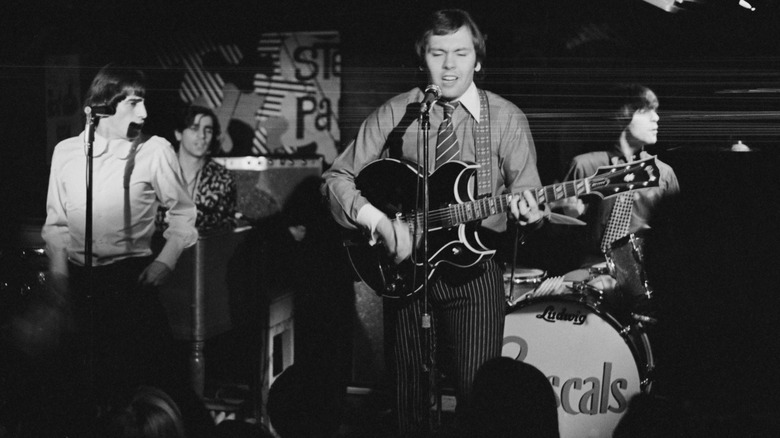
On August 30, 1968, the Rascals were well into a five-week run at the No. 1 spot on the pop chart with "People Got to Be Free," a powerful track that defiantly celebrates human rights and how dignity and freedom will prevail against tyranny and terror. In 1966 and 1967, a band called the Young Rascals hit No. 1 with "Good Lovin'" and "Groovin'," respectively, the former a good-time party rocker and the latter a sentimental '60s song that will instantly take boomers back to childhood. But then along came 1968, and some horrific events that brought about major changes for the band.
Not only did the maturing group revert to its original, pre-record-deal name — the Rascals — but they allowed their sound to get serious. Downplaying songs about fun and simple pleasures in favor of socially conscious anthems reflecting the political and social climate of the era, the Rascals released "People Got to Be Free." Here's how a moment-defying classic rock song that hardly anyone talks about anymore, from a band previously considered somewhat frivolous, was so undeniable that it held the No. 1 position for a large chunk of the late summer of '68.
People Got to Be Free represented a sudden evolution for the Rascals
In April 1968, the Civil Rights Movement leader Martin Luther King Jr. was killed in Memphis. Two months later, Civil Rights-advocating presidential candidate Robert F. Kennedy was also murdered. Deeply saddened and frustrated, Felix Cavaliere of the Rascals enlisted the help of bandmate Eddie Brigati to translate his feelings into music, and they wrote the anguished call for change "People Got to Be Free." Overcoming pushback from their record label, which didn't want to issue such a potentially polarizing and political track, the Rascals' "People Got to Be Free" was on the charts by July 20. Another month went by, and it became the No. 1 song in the U.S. for five weeks, joining other songs that snapped the boomer generation awake.
The Rascals seemed reinvigorated with their newfound sense of purpose, and their next single, "A Ray of Hope," composed for Kennedy's brother, senator and possible future president Ted Kennedy, was a Top 30 hit. A few more singles made the Hot 100, but the Rascals wouldn't last, ending things in 1972 after finding themselves unable to endure the departures of Brigati and Gene Cornish.