

5 Iconic Singles Of The '60s That Sound Even Cooler Today
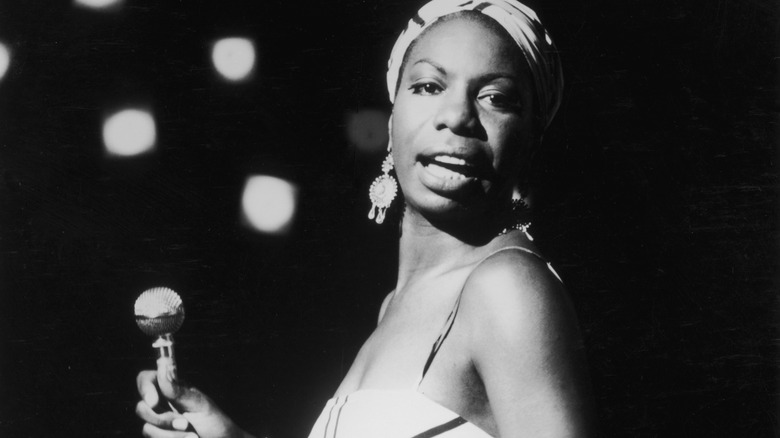
The 1960s featured some of the most timeless music ever recorded, with rock music, jazz, blues, and more all in full swing. As well as being groundbreaking at the time they were released, many have also proven to have incredible staying power, including some '60s flop songs we can't help but love, which continue to attract listeners decades later and inspire new artists.
For this article, we've chosen five songs from the decade that feel especially edgy for the time they were recorded; they willingly challenged listeners of the era and became timeless for doing so, aging like fine wine. From select cuts from the Rolling Stones to some of the finest singles from Nina Simone and John Coltrane, as well as a riotous live prison recording from none other than Johnny Cash, you're likely to find yourself agreeing with us that they really don't make music like they used to.
Paint it Black – The Rolling Stones
Though the Rolling Stones may have emerged onto the mid-1960s rock scene looking like a group of respectable, clean-cut young men, it soon became apparent from their music that they harbored a dark streak. "Paint it Black" is the band's 1966 classic, a single that Mick Jagger himself understood reflected the attitude of disgust that disaffected youths felt during that tumultuous decade.
The haunting song seemingly follows a narrator whose love has died — literally or figuratively — who now wants all the color drained from the world. The sinister character tells us that the sight of "girls ... dressed in their summer clothes" makes darkness well up within him, a challenging lyric for a pop song of the day. Underpinned by bassist Bill Wyman playing a strange droning low-end on Hammond organ pedals with his fists, the song takes on an exotic, mysterious tone that mirrors the narrator's alienation from the world around him and pulses with potential danger.
The song sounds as weird and unnerving as it did back then, but has also managed to enter music fans' collective consciousness like few other songs with an intentionally nihilistic tone. A No. 1 Billboard Hot 100 hit, it has retained a huge amount of cool, having been covered by numerous alternative acts including Echo & the Bunnymen, the Feelies, and the Residents.
I Wanna Be Your Dog – The Stooges
The Stooges were one of the defining proto-punk bands of the late 1960s, whose self-titled 1969 debut LP contained arguably their greatest single: "I Wanna Be Your Dog." Based around a simple but hugely powerful descending riff from guitarist Ron Asheton, the song was produced by Velvet Underground innovator John Cale and is drenched in more distortion and drone than almost anything that came before it. Meanwhile, vocalist Iggy Pop offers a guttural vocal performance that has become truly iconic. It's sexy, aggressive, cool, and vulnerable all at the same time.
Though it never charted at the time of its release, "I Wanna Be Your Dog" was truly groundbreaking, reaching a new level of heaviness that few garage rock bands of the 1960s had approached. Though the Stooges disbanded after only a few years together, their impact and that of their debut single has only grown down the years, with "I Wanna Be Your Dog" pointing the way for generations of later punk bands. Its suggestive lyrics directly point the way for the masochism encountered on Sex Pistols classics such as "Submission," while the three-chord riff lays the template for the genre's back-to-basics ethos almost a full decade before punk became established.
Sinnerman – Nina Simone
"Sinnerman" is arguably the finest recording in Nina Simone's extensive discography, the moment at which all of her influences merged to create a timeless classic. The song is based on a 1956 arrangement by Les Baxter and Will Holt, which in turn was derived from an African American spiritual song. Simone's version arrived in 1965 on the album "Pastel Blues," and thanks to its popularity, was released as a 7-inch single in 1968.
The biblically themed, virtuosic track begins with an iconic piano riff, accompanied by driving, jazzy drums before Simone's rich vocals come in, clear as a bell, along with touches of guitar and brass that give the song its initial relentlessness. Meanwhile, Simone's vocal performance becomes more theatrical, reflecting her narrator's increasingly desperate spiritual plight as the 10-minute-long song unfolds. The first climax arrives within four minutes, but from then on the dynamics undulate to include quieter instrumental parts, populated by handclaps and note-perfect improvisations.
"Sinnerman" earns a barrage of cool points for its depiction of a sinning figure caught between boiling seas and rivers as he runs between God and the devil, attempting to find shelter if not salvation. It builds upon subject matter found in the work of blues artists such as Robert Johnson and takes it to epic levels, foreshadowing the work of Black Sabbath and a host of other musicians willing to address religious themes and use kick-ass music to let good and evil duke it out on wax.
My Favorite Things – John Coltrane
Sax legend John Coltrane's innovations in the world of modal jazz may have seemed from the outside to be the preserve of technically minded music fans, but "My Favorite Things" proved that musical complexity could deliver a surefire commercial hit. An interpretation of the Richard Rodgers and Oscar Hammerstein song from "The Sound of Music," Coltrane's recording is rich and improvisational, using the song's famous melody as a launchpad for exploration. It was an unexpected radio hit in its edited version, and introduced jazz to new audiences who may have otherwise avoided the genre.
"My Favorite Things" still stands among the greatest jazz records for the miraculous balancing act it achieves, being both difficult and accessible, intricate and melodic, and yet it remains breezy and laid-back in a way few virtuosic performances nowadays are. Above all, it shows that a skilled musician can take a relatively cheesy song and turn it into a sizzling late-night track dripping with cool. The influence of "My Favorite Things" goes far beyond jazz, however, being a go-to for improv-heavy jam bands of the late 1960s, such as the Grateful Dead, and beyond.
Folsom Prison Blues – Johnny Cash
Johnny Cash's legendary 1968 version of "Folsom Prison Blues" begins with the Man in Black introducing himself in gentlemanly fashion to his live audience, which just happens to be made up of the inmates of the titular prison. Cash had a history of playing for prison crowds stretching back to the mid-1950s, but this performance, which was also captured for a best-selling live album, sees Cash sing directly to the prisoners of their own plight, creating an utterly unique tension — you can only imagine what it must have been like to be there.
Cash originally wrote and recorded the song back in 1955, being inspired after watching the 1951 noir movie "Inside the Walls of Folsom Prison" while the future music legend was still in the U.S. Air Force. While a Top 5 hit back then, it was the prison version that topped the charts. While Cash's performance is excellent, what really makes it crackle are the inmates' yells and whistles of approval that punctuate the track, which lends the recording a wild, electric atmosphere that still makes it among the coolest live singles ever recorded.