

5 Vinyl Record Player Mistakes That Could Ruin Your Favorite Albums
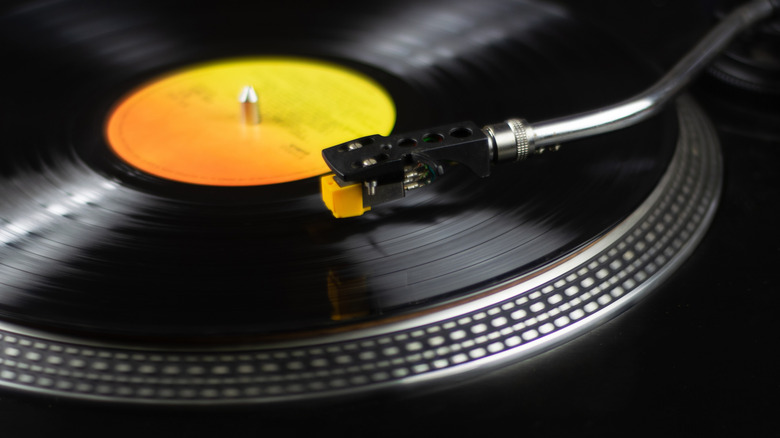
We may receive a commission on purchases made from links.
In case you didn't know it, 2025 was the new 1983, because vinyl sales topped $1 billion in the United States in both years, according to the RIAA. Records have been making — and breaking — records for several years, as everyone from boomers to Gen A immerses themselves in their love of LPs. Although every genre has embraced the medium, alternative and indie rock are by far the most popular. Whether you're a hard rocker or a dub stepper, you want every album in your collection to sound amazing whenever it's played — but are you doing everything to make sure that happens?
There are lots of pitfalls when it comes to vinyl, and some are more obvious than others. Spending every spare penny on building up a vinyl collection to be proud of is one thing, but playing them on a cheap turntable will do your precious (and potentially expensive) records no favors. A vinyl record can last decades with proper care, and that care starts with how you choose, set up, and maintain your record player. Strap in and take notes as we run through a few common record player mistakes that ruin your albums, so your LP collection will sound perfect now and in years to come.
Buying a low-quality record player
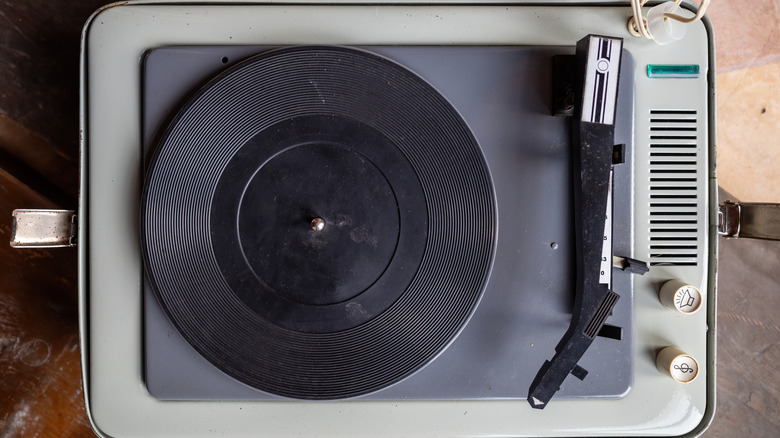
The record player market is huge, with prices ranging from a couple of hundred bucks to well into the thousands — and that's not counting second-hand or vintage models. Not every vinyl lover can afford a top-of-the-range system that has every bell and whistle you can think of, but some cheap models could be disastrous for your collection. The tracking force on many low-cost record players can be too high, the tonearm balance can be off, or the cartridge can be low-quality ceramic, all of which will damage a disc's grooves.
While that's bad enough on a run-of-the-mill album, it could be catastrophic for vintage or rare vinyl. Throw into the mix the increased risk of wear and tear on a cheap record player, and suddenly any initial saving doesn't look so appealing. To ensure your album collection stays in pristine condition when it's played, save up a little more of your hard-earned money and invest in a good-quality system that will protect your discs and make them sound like a million bucks.
Too much vibration for your record player
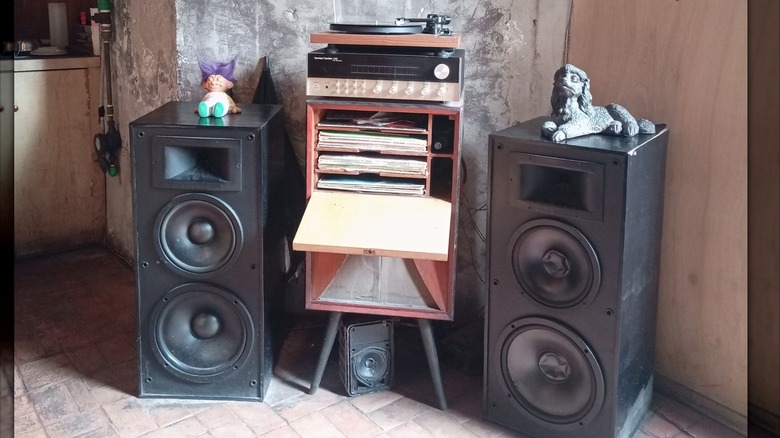
We're of the opinion that, if our ears aren't threatening to bleed with every thrum of an electric guitar, a record is not being played loudly enough. While we love to feel the physical vibrations of our music through big speakers, the same cannot be said for the machine spinning the disc. Subwoofer fans beware: Low-frequency vibrations from them can interfere with how the album sounds, but that's not all.
The movement in the air caused by powerful speakers can physically impact the record player while it's in use, causing the needle to skip and potentially damaging your prized classic rock collection. Turn down the volume, move the speakers farther away from the machine, or buy smaller ones, and your favorite albums will be thanking you for years to come.
It's not just a sick beat that can cause problems for your LP collection. Where you locate your record player is just as important. It goes without saying it needs to be somewhere flat and stable, such as an audio rack or solid piece of furniture. But it's also crucial to ensure that it's always level. Many record players come with adjustable feet that you can move, or you can use an app or a cheap bullseye level to make sure the machine hasn't shifted over time.
Playing dirty records
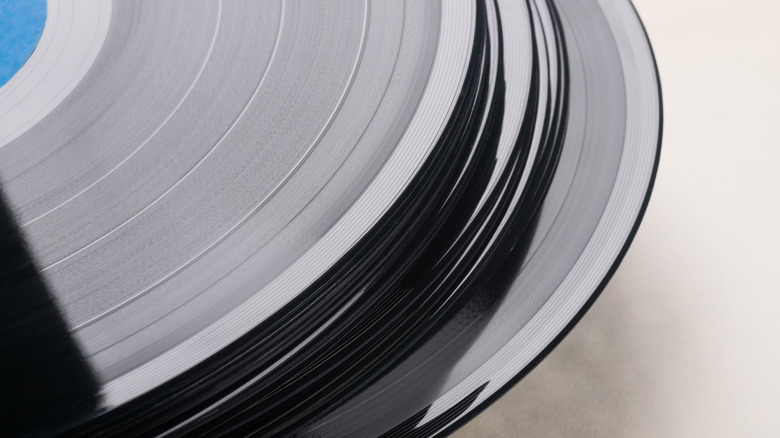
We are as guilty as the next vinyl lover for having grabbed a T-shirt — often favoring proximity over cleanliness — and using it to give a treasured album the once-over in our misspent youth. We're older and wiser now, and would strongly advise any music collector to never do this. Taking care of your vinyl collection means being serious when it comes to cleaning the discs.
If you hear sizzles or pops while a record is playing, those noises aren't atmosphere — they're every album's nemesis: bits of dust and dirt trapped in the grooves, which can damage both the vinyl and the stylus. Invest in a good cleaning brush (we love this vintage-looking one) that can lift out any dirt, including fine particles, and use it before you play them, even if the album looks squeaky clean. Handling your records should always be done with care too. Avoid touching the grooves with your fingers, especially if they're not clean, as the oil from your skin allows dust to stick to the record.
When the disc is finished, the good habits shouldn't be. Leaving your albums sitting on the platter will allow dust to settle on them, even if you've dropped the cover. Always try to put your record back in its sleeve when it's finished. You can also give it a quick once-over with your vinyl brush before sliding it home, so you're sure that next time it comes out, it's as clean as a whistle.
Not adjusting the tonearm
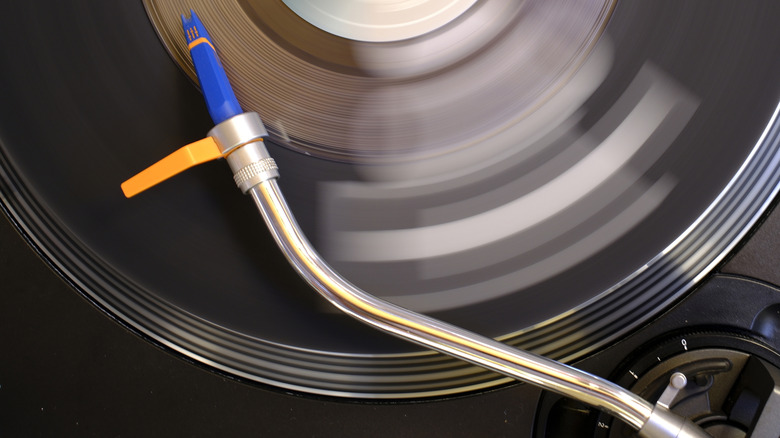
If you've ever had to rest a nickel on the headshell of your tonearm to stop it from moving around, then you have been playing with fire, my friend. An unbalanced or improperly adjusted tonearm can ruin the sound quality of your album collection because it moves the stylus away from the center of a groove, where the sound quality is best, and "skates" toward the edge. If your albums have started to sound distorted, it could be that your tonearm needs adjusting.
Machines vary, but if yours has an anti-skating mechanism, turn it to the lowest setting and lift the tonearm from its cradle. Set the tracking weight and counterweight to zero, check the cartridge's instructions for the correct settings for both, then make sure the anti-skate mechanism is at the same number. Adjusting your record player's tonearm can be a very precise, technical exercise, so if you're in any doubt at all, take yours to an expert. They can check and adjust the tracking force if need be, and recalibrate the anti-skating control so your vinyl sounds great every time.
Using an old or wrong stylus
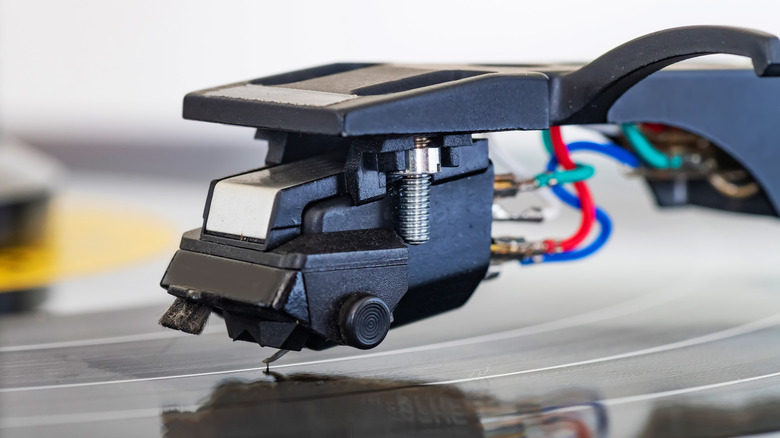
Choosing to house your vinyl in paper or plastic can affect your album's longevity, but all that care and attention will be for naught if you neglect the stylus. It's arguably the most common mistake made by record owners, especially those who are newer to the medium. This tiny component is crucial to the listening experience yet so easy to overlook, and cutting corners really isn't an option. How long they last varies depending on how often they're used, but you should expect around 1,000 hours of play time.
Cleaning your albums before playing them helps the needle stay free of fluff or grease, but if it looks worn or bent, if the sound quality has nosedived, or the needle skips a lot, you need to replace the stylus if you don't want to damage your record's grooves. Depending on your machine, it can be a simple one-out, one-in task, though some models require the entire cartridge to be changed.
While it's fine to upgrade your stylus, don't be tempted to fit it with any old needle if you want the best sound quality from your albums. They come in many shapes (conical, elliptical, linear contact, and microline are the most common), and not every stylus automatically fits every player. Do your research to find the right one for your machine.