

10 Music Trivia Questions Only True '60s Fans Can Answer
There's just so much history and lore surrounding classic rock and pop, particularly that which was made, released, and became extremely popular in the 1960s. From the crooners at the beginning of the decade, through the British Invasion and its American bands that chased it, as well as surf rock, folk-rock, and then all the way to prog, metal, and psychedelic rock as the '70s beckoned, it was a fruitful and varied era for creativity. All that creation means there are tons of backstories with lots of details.
The result: 60-odd years after, there's a plethora of trivia to behold about '60s music, some of which is so obscure and little-known that only true aficionados of the era can handle it. If you think you're an expert on '60s music, or maybe just an ardent hardcore appreciator of the time, read on for 10 trivia questions that are so interesting and thought-provoking that they just might stump even the most knowledgeable of fans.
What heavy metal pioneer was a member of a major '60s prog rock band for a matter of days?
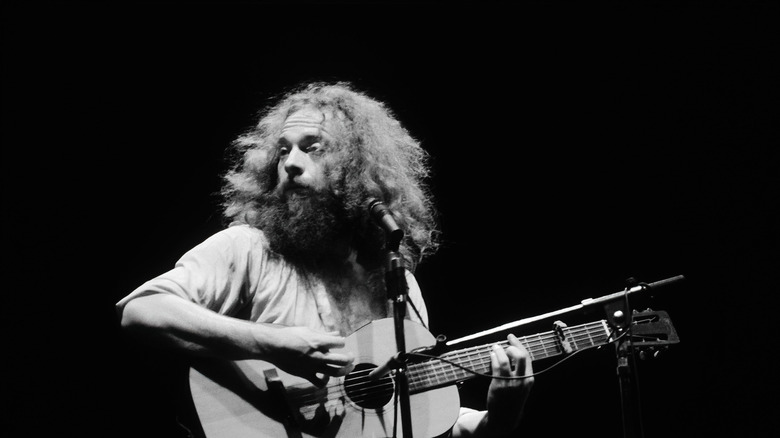
Considered the first heavy metal band, Black Sabbath formed in the late 1960s under the direction of guitarist Tony Iommi. Before they took off, progressive rock band Jethro Tull asked Iommi to join to replace outgoing guitarist Mick Abrahams. His bandmates encouraged Iommi to take the job, and he reluctantly did. He performed on the concert film "The Rolling Stones' Rock and Roll Circus" with Jethro Tull but departed after about two weeks, returning to his regular group with a newly acquired work ethic.
Before hiring David Gilmour, who was approached to be the second guitarist in Pink Floyd?
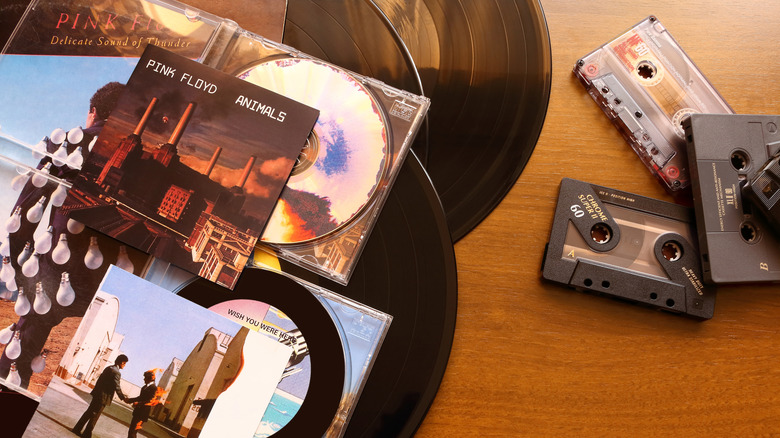
After he left the Yardbirds but before he formed the Jeff Beck Group (with Ronnie Wood and Rod Stewart), virtuoso hard rock guitarist Jeff Beck was asked to join Pink Floyd. At the time, founding member and guitarist Syd Barrett was struggling with mental health and substance abuse issues, and the band needed some extra heft musically. They hired David Gilmour, and Barrett would eventually leave, but their first pick was Beck. "He was maybe the only other choice they were thinking about," Gilmour told Mojo.
What was the first song to win a Grammy Award for rock?
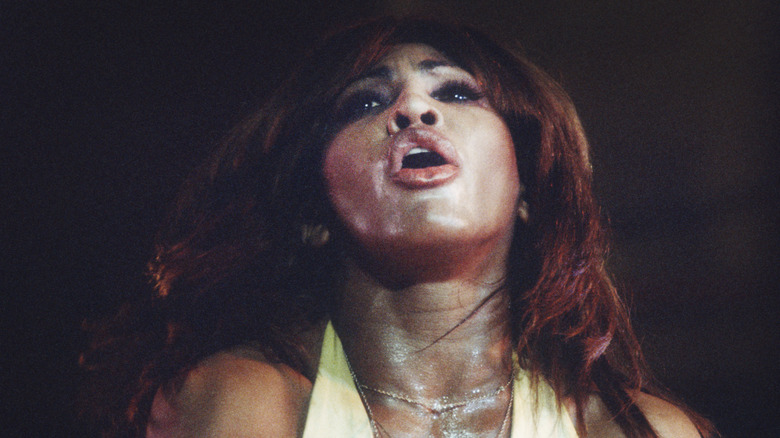
It wasn't until the fourth Grammy Awards in 1962 that voters had the option of recognizing rock. In the category of "best rock & roll recording," the statuette went to Chubby Checker for "Let's Twist Again," a No. 8 hit from the summer of 1961 that referenced the singer's earlier No. 1 smash "The Twist." It's not the most "rock & roll" of the songs nominated, which also included Chris Kenner's "I Like It Like That," the Tokens' "The Lion Sleeps Tonight," and Ike & Tina Turner's "It's Gonna Work Out Fine."
What impact did pianist Elston Gunnn have on '60s rock music?
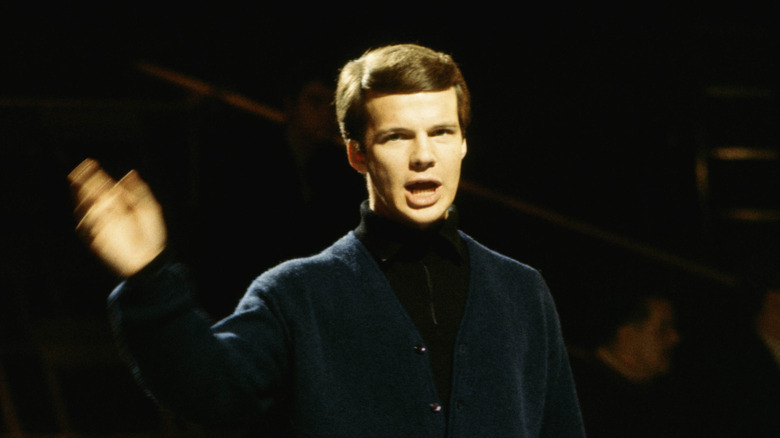
Bobby Vee, a '60s musician we completely forgot about, was a teen idol type in the early part of the decade with hits like "Take Good Care of My Baby." When Vee's musical associate and brother Bill was buying records in his hometown music store in Fargo, North Dakota, one day, a teenager approached him and, saying his name was Elston Gunnn, offered to fill the open slot as pianist in their band. Elston Gunn got the job, although he didn't last long, as he could only play three chords. The pianist later found fame under a different name: Bob Dylan.
What Broadway musical was the unlikely source of a bunch of cool rock songs?
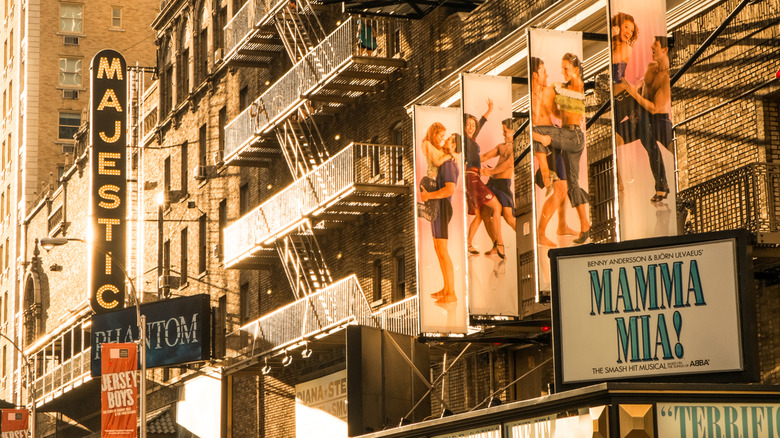
The musical "Hair" brought hippies and counterculture to conservative Broadway in 1968. The show tapped into the youthful rock spirit of the time, and in the late '60s, covers of what were essentially show tunes became huge rock hits in 1969. The 5th Dimension's medley of opening and closing numbers "Aquarius" and "Let the Sunshine In" spent six weeks at No. 1, the Cowsills' take on "Hair" reached No. 2, Oliver's "Good Morning Starshine" made it to No. 3, and Three Dog Night's "Easy to Be Hard" rested at No. 4.
What two big bands of the '60s included full members that didn't perform?
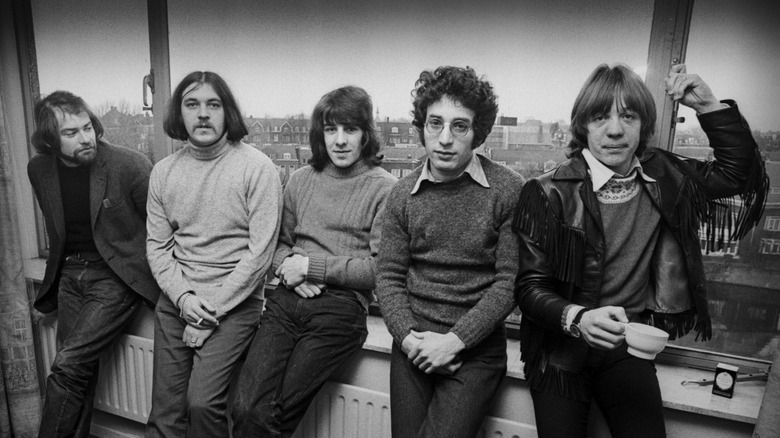
Owing to mental health difficulties, Brian Wilson retired from performing live in late 1964 and focused on building grand Beach Boys productions like "Good Vibrations" and "Pet Sounds" from the studio. And then there's Keith Reid of the artsy '60s chamber-prog band Procol Harum. Reid never sang or picked up an instrument for the band in which he was a member; he just wrote the majority of their lyrics, including the group's 1967 Top 5 hit "A Whiter Shade of Pale."
What rock band got famous without revealing their name?
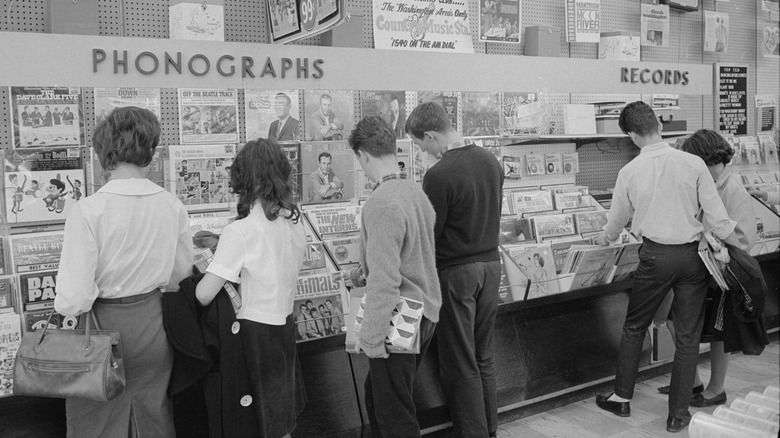
In 1965, Canadian band Chad Allan & the Expressions issued a cover version of Johnny Kidd and the Pirates' 1960 hit "Shakin' All Over." Canadian radio was primarily interested in playing British Invasion bands at the time, so to stoke interest, the group's label sent the single to stations enigmatically credited to "Guess Who?" — suggesting it was the work of an ultra-famous U.K. band. The gambit was successful, as "Shakin' All Over" hit No. 1 in Canada and No. 22 in the States, prompting Chad Allan & the Expressions to adopt The Guess Who as their name.
What fluke hit from 1962 led to a career composing music for cartoons?
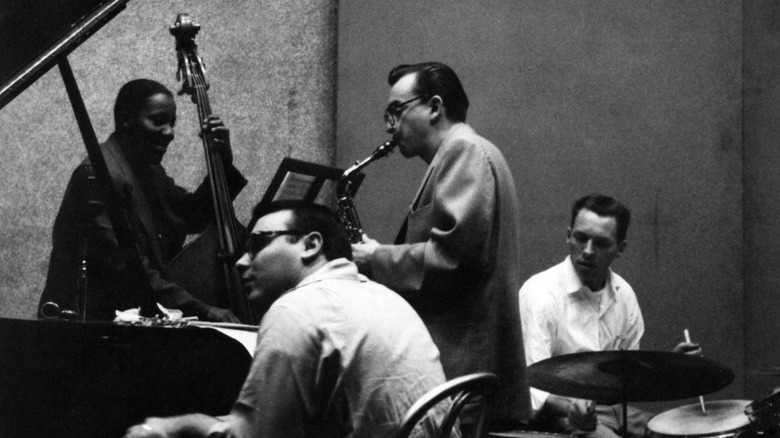
The first-ever modern No. 1 in 1958 was a toxic love song, and ever since, the Hot 100 hasn't featured much jazz. "Cast Your Fate to the Wind," a piano-based jam from the Vince Guaraldi Trio, defied the odds and peaked at No. 22 in 1962. Producer Lee Mendelson heard it on his car radio while he was working on the animated TV special "A Charlie Brown Christmas," and he pursued Guaraldi to do the music. Guaraldi subsequently composed and recorded "Linus and Lucy," the theme song to numerous TV specials and series featuring Charlie Brown, Snoopy, and the "Peanuts" gang.
What classic album was supposed to be named after a classic Norwegian stage play?
In 1968, the Beatles released their most ambitious album yet, a double-length and at times hard, heavy, and experimental collection that's officially untitled, or self-titled, or known colloquially as "The White Album" after its simplistic sleeve. The plan was to call it "A Doll's House," after the 1879 work of the same name by Norwegian playwright Henrik Ibsen. But while the Beatles worked on the record, British band Family released "Music in a Doll's House," which meant the Fab Four couldn't use their original idea.
What act introduced light shows to the rock concert experience?
Free-flowing and psychedelic visuals projected as a band plays are a common rock show element, and the folk-rock act the Byrds were the first to try such a thing. In 1966, the band played the Village Gate in New York City, accompanied by some random, flashing, multi-colored lights. Concert promoter Bill Graham then made it a standard feature of psychedelic bands playing at his iconic venues and clubs.