

'60s Musicians We Completely Forgot About
The 1960s was an exciting and creatively fruitful period for pop music and still-developing rock 'n' roll. So many singers and bands strove for stardom and hit songs that they crowded the airwaves, the record stores, and the charts. There's only so much room in the collective memory, however, and many acts that dominated in the '60s have been subsequently forgotten by the masses.
The beginning of the '60s looked and sounded a lot different than the decade's end. Major movements like the British Invasion and the ascendency of Motown supplanted the crooners and early rock 'n' rollers who had been the musical standard-bearers. While some artists adjusted their sound and competed for a while, they were ultimately as overlooked as their early '60s forebears. Here are some '60s icons we've collectively ignored for years. Many of them, like Connie Francis and Del Shannon, were household names way back when.
Del Shannon
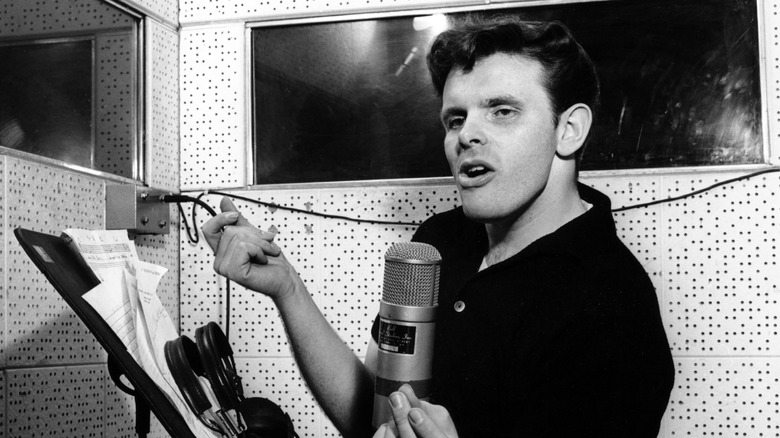
"Runaway" is a rock song from 1961 that sounds even cooler today, thanks in part to the brokenhearted, wailing-until-he's-raspy vocals from singer Del Shannon. A song most notable for being one of the first mainstream pop songs to use a synthesizer-style instrument to get a spooky and spacey modern sound, "Runaway" was Shannon's first and biggest hit. It went to No. 1 for four weeks in the post-peak-Elvis Presley, pre-Beatles, wide-open space of the early '60s.
A whopping 15 more Del Shannon singles followed "Runaway" to the charts, including "Hats Off to Larry," "Hey! Little Girl," and "So Long Baby," all three before 1961 was over. After squeaking into the Hot 100 one last time in the '60s with "The Big Hurt" in 1966, Shannon faded from relevance until he had a No. 33 hit in 1981 with a new wave version of Phil Phillips' '50s R&B classic "Sea of Love." A second comeback could've happened, as Shannon nearly joined the supergroup the Traveling Wilburys, but he died by suicide in 1990.
If you or someone you know is struggling or in crisis, help is available. Call or text 988 or chat 988lifeline.org
Connie Francis
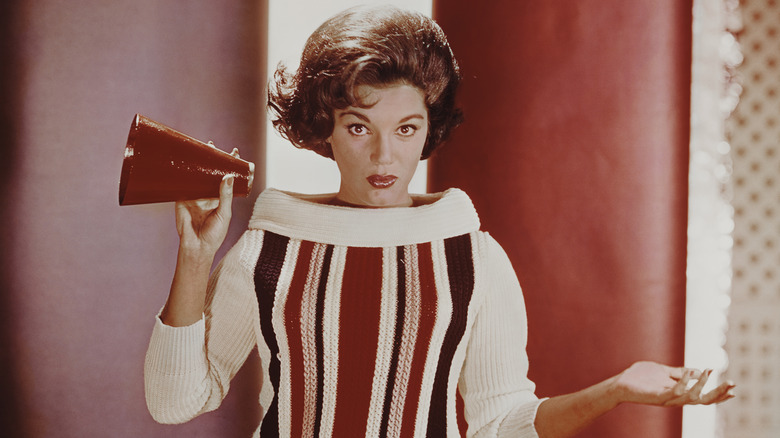
The Hot 100 became Billboard's pop chart of record in August 1958, but it took a while for a woman to secure the No. 1 spot. Connie Francis, who'd had a few hit singles in the late '50s, made pop music history in July 1960 when "Everybody's Somebody's Fool" topped the chart. Later that year, Francis scored another No. 1 with "My Heart Has a Mind of Its Own," and she returned to the top position in 1962 with "Don't Break the Heart That Loves You."
Sensitive, restrained rock ballads were what Francis did best, as well as sweet and innocent love songs about idealized boyfriends, like "(He's My) Dreamboat" and "When the Boy in Your Arms (Is the Boy in Your Heart)." Across the 1960s, and almost entirely between 1960 and 1964, Francis was one of the most consistently popular singers in America, notching 43 entries on the Hot 100 until more emotionally sophisticated and honest works from British bands and Motown groups suddenly made her songs seem passé.
The Rascals
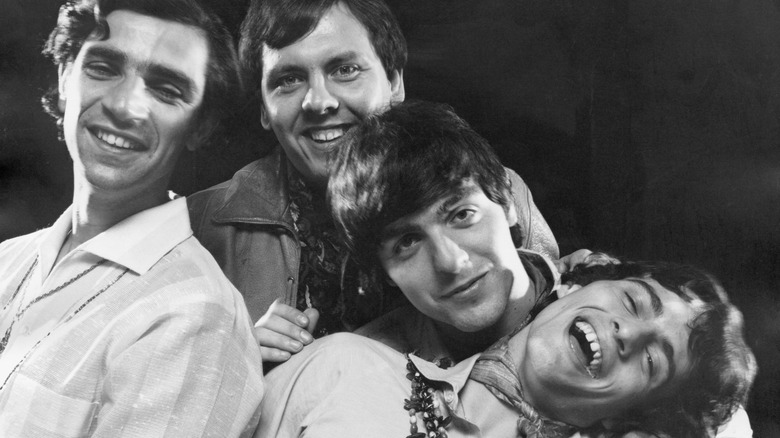
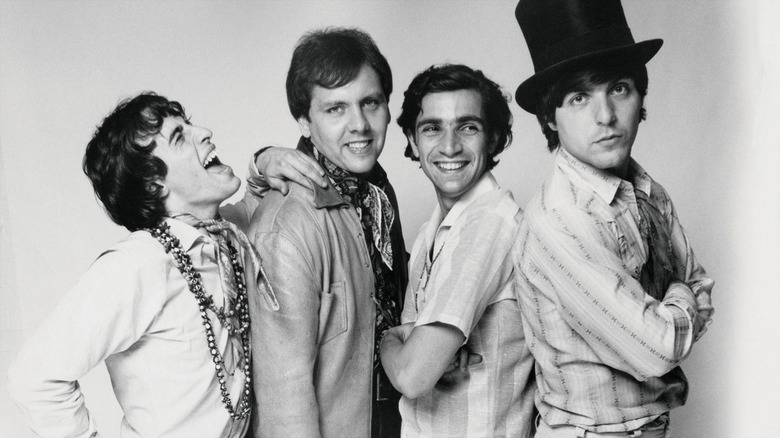
One of the most raucous and innovative American bands of the late '60s mixed two of the decade's most indelible forms — garage rock and soul — to create something wholly captivating and entertaining. And yet the Young Rascals, aka the Rascals, aren't held up alongside forward-thinking contemporaries like the Doors or The Who. The Young Rascals started out as a backing band for another artist, as many of its members were part of the lineup for Joey Dee and the Starliters, another forgotten musical act of the '60s, who had a No. 1 hit in 1961 with "Peppermint Twist — Part 1."
After breaking off for a richer sound, the Young Rascals pioneered lush and gleaming pop rock. In the final four years of the '60s, the group (known as the Rascals from 1968 on) notched 13 Top 40 hits. Among those well-received smashes are some quintessential good-time '60s classics, ranging from the dance-floor-filling "Good Lovin'" to laid-back meditations such as "Groovin'" and the pleading and political "People Got to Be Free," all three of which made it to No. 1. When the '60s ended, the Rascals followed suit, splitting up in 1972.
Gene Pitney
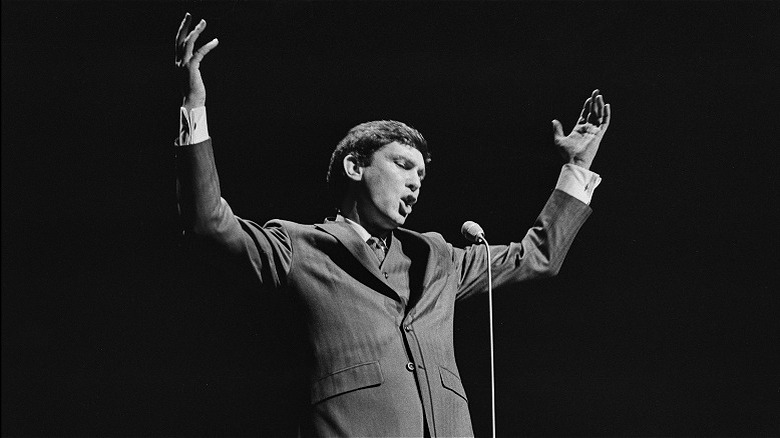
More melodramatic than a crooner and a teen idol put together, Gene Pitney poured copious emotion into both of his specialties: epic pop ballads and engaging movie songs. All of his successes came inside of the 1960s but stretched across the decade. He made a huge splash in 1961 with the positively histrionic "Town Without Pity," his first Top 20 hit, and six months later he was in the Top 10 with "(The Man Who Shot) Liberty Valance," suggested by the classic film Western of the same name. Then Pitney went back to lonely balladry and scaled the Hot 100 as high as he ever would, peaking at No. 2 with "Only Love Can Break a Heart." More thematically similar smashes like "It Hurts to Be in Love," "I Must Be Seeing Things," and "Last Chance to Turn Around" followed throughout the mid-1960s.
Pitney was too closely linked to the increasingly dated early-'60s music industry sound to be taken seriously much after that. After his 16th hit single, "She's a Heartbreaker," hit No. 16 in the U.S., Pitney focused on European markets, where he remained a popular attraction into the 1970s.
Johnny Rivers
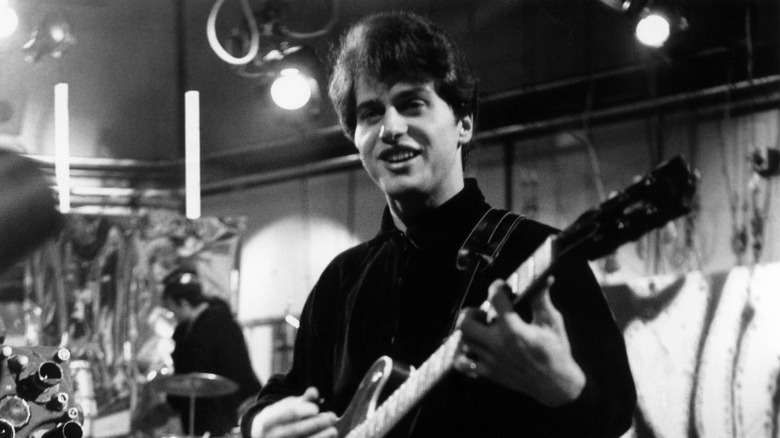
Rarely content to stick with one style for long, Johnny Rivers enjoyed consistent success throughout the 1960s and even into the early 1970s by finding new ways to showcase his amiable and slightly drawling voice. Rivers initially presented himself as a rock 'n' roll revivalist, embracing the early tropes of the genre that was barely a decade old on 1964 singles such as "Memphis" and "Maybelline," both Chuck Berry covers and both major hits. In 1965, he showed up on TV dance shows in a tuxedo performing the old, bluesy "Midnight Special," a classic rock hit with no known author, and then covered the stark protest folk song "Where Have All the Flowers Gone."
When James Bond and cool spy culture became all the rage, Rivers hit No. 3 in 1966 with the surf-inspired TV theme song "Secret Agent Man" before moving into mawkish ballads like the No. 1 hit "Poor Side of Town" and "Baby, I Need Your Lovin'." The latter marked the final time Rivers saw the Top 5, and while he had a string of mostly minor hits in the 1970s with classic rock 'n' roll covers, it was the '60s when Rivers peaked. Between 1964 and 1967, he reached the Top 40 a total of 13 times.