

1975 Albums With The Most Hit Singles
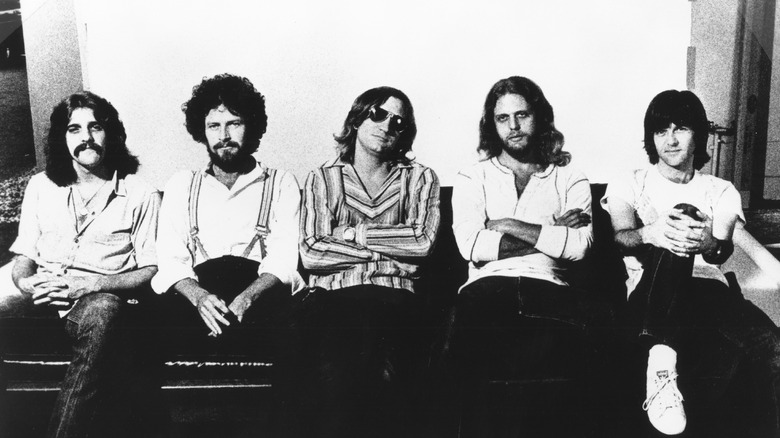
Running backward through the musical catalog of the 20th century shows how hit-filled the year 1975 was, especially for artists with a little California country twang stirred into their sound. Top-selling albums were dropping single after single that rode high on the charts, resulting in a slew of multi-smash songs from LPs that have become classics in the hearts of music lovers. There was so much amazing music coming from these acts that even when they launched a new album in 1975, there were still hits rolling off of it a full year later — something that almost never happens in the age of instant digital music gratification.
As we are wont to do when our melodic curiosity gets the better of us, we went on a hunt to find the albums from 1975 that churned out more hit singles than the rest of the releases from that year. Only new releases were factored in, with chart placing taken into consideration to trim the list, which eliminated some power players. For instance, both Linda Ronstadt and the Carpenters were in the running with their three singles each, but Ronstadt had a better chart showing overall. We also left the many greatest hits collections that made major impact out of the running, since those contain mostly recycled hits from other LPs. What we found was a poker hand of incredible songs and timeless hits that reflect the taste of the era from familiar names who went on to become hall-of-famers.
Windsong — John Denver
Folk-pop icon and Colorado hero John Denver was flying high with his 1975 album "Windsong," which sourced four Billboard hits that became staples of his repertoire. The tearjerking acoustic ballad "I'm Sorry" became Denver's fourth and final trip to No. 1 in September 1975. It was an apology to his wife, Annie Martell, as their marriage teetered on the brink. The flip side of the single contained another Denver favorite, "Calypso," his rousing tribute to oceanographer Jacques Cousteau and his intrepid exploratory crew. The song received generous airplay and shared the No. 1 spot as a double-sided hit with its far sadder A-side selection. And "Fly Away," his ethereal song about an elusive woman, featured a cameo vocal from Olivia Newton-John that helped propel it to lucky No. 13 in January 1976, annexing the calendar for even more successful single drops.
As of March 1976, "Windsong" was still spinning off hits. "Looking for Space," one of Denver's most soaring existential works, reached No. 29 to put a cap on the releases for the 1975 album with the most hit singles, even if the success did stretch into spring of the following year.
Fleetwood Mac — Fleetwood Mac
It should come as no surprise that the first Fleetwood Mac album to feature that perpetually tragic power couple feuding in romance and music, Stevie Nicks and Lindsey Buckingham, was also a gold mine of hit singles. The eponymous "Fleetwood Mac" was recorded and released in 1975 and gave the band the pop-rock turnaround they needed to become historic music makers. The new five-piece combo was poised to take the rock world by storm, and that's exactly what they did with this hit-laden collection.
Though every song was a gem to diehard fans, it was three songs released as singles that made waves and showed off the band's new sound. "Over My Head," with Christine McVie on lead vocals, dropped in September 1975 but didn't peak on the charts until it made it No. 20 in January 1976.
Up next was the Stevie Nicks classic "Rhiannon," a carryover from her previous work with Buckingham that became a mystical No. 11 smash in June 1976. And because this was the era when record companies went long-term supporting the albums they paid good money to produce, the Mac released another McVie-led single, "Say You Love Me," that also made it to No. 11, in September 1976. An album released in fall 1975 still producing top 20 singles a solid year later? Anyone who follows music charts and data in the 21st century knows how much times have changed since then.
One Of These Nights — The Eagles
It was true that the Eagles would release a greatest hits package in 1975 that would become the best-selling album in U.S history. But these progenitors of the California rock sound also set loose an album called "One of these Nights" that would add even more hit singles to the roster. One of those songs was the title track, a smoky seether with impossible harmonies and a sensual groove that added texture to the band's trademark aesthetic. "One of These Nights" became the band's second No. 1 song in August 1975, and the Eagles proved they could keep soaring.
That chart-topping feat was followed by the more country-style cheating classic "Lyin' Eyes" breaking the Top 5 in November 1975 and notching a No. 2 hit for the band to add to their treasure box of outrageous successes. And because they'd gotten a bit of a late start, the Eagles kept pitching the high-sellers into the world into the following year. The introspective and anthemic "Take It to the Limit" clocked in at No. 4 in March 1976, rounding out the three-pack of hits that helped make the 1975 release one of the most successful albums of the year on both the singles and album chart. Not bad for a band that soft-launched at a 1971 Disneyland concert playing behind Linda Ronstadt — another top player in the 1975 hit-making arena.
Main Course — Bee Gees
The Bee Gees were crafting sterling pop pearls when 1975's album "Main Course" took them in a startlingly successful new direction. The sonic spark plug that allowed the band to reach a broader audience was "Jive Talkin'," a funky tune inspired by the sound of tires on a freeway that Barry and his bros took all the way to No. 1 in August 1975. It was more than just a nod to the growing disco sound in modern pop music; it was an opening salvo in the Bee Gees' pending domination of the dancing scene.
And there was more innovative groove where that came from. "Nights on Broadway" was a similarly dance-oriented tune, fleshed out with more drama and the introduction of Barry Gibb's now-iconic falsetto vocals. The sound that would morph into the "Saturday Night Fever" soundtrack phenomenon became a No. 7 smash in December 1975.
The Bee Gees returned to their earlier form with their next single, "Fanny (Be Tender With My Love)," a marshmallow-soft ballad that felt closer to the trio's more familiar fare. It scooped up the No. 12 spot in January 1976, helping the brothers close out a very successful 1975 album — the last before the Bee Gees would become disco gods.
Prisoner in Disguise — Linda Ronstadt
Linda Ronstadt was well on her way to becoming a musical legend when her 1975 LP "Prisoner in Disguise" showed up with a bouquet of hit singles that would contribute to her status as a music legend. The singer had already racked up a No. 1 ("You're No Good") and No. 2 ("When Will I Be Loved?") in the first half of the year, and there was still plenty of time for more hits to come.
"Love is A Rose," a country-rock classic, rocketed to No. 5 in November 1975, reminding audiences that Ronstadt could flex styles without missing a beat. As a double-side to that single, the singer also released her take on the Martha Reeves and the Vandellas Motown classic, "Heat Wave." It became a co-No. 5 success and gave Ronstadt one of her most recognizable covers.
Another signature cover for the Tucson native, the Smokey Robinson and the Miracles classic "Tracks of My Tears," popped up in February 1976 as a latecomer to the party. It reached No. 25 and became Ronstadt's fifth top 40 hit; there would be 16 others that broke into that echelon in her decades-long career, and a total of 34 singles on the Billboard Hot 100. Mathematically, 1975 alone gave the superstar about 10% of her most successfully charting songs — a pretty solid percentage for any artist.