

1960 No. 1, Originally An Italian Song, Reached The Top 66 Years Ago Today
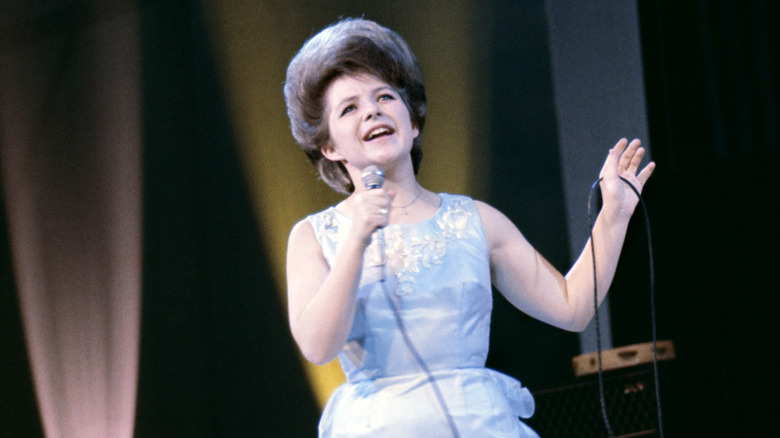
Spaghetti Westerns were an interesting crossover of the American cowboy movie tradition, having been made in Italy, but clearly that cultural exchange included music after country singer Brenda Lee shot to the top of the Billboard Hot 100 in October 1960 with her translated hit "I Want to Be Wanted."
Lee had been touring in Italy in 1959 when she claims her mentor and producer, Owen Bradly, first heard the ballad "Per Tutta La Vita (For All Lifetime)." Written by Pino Spotti and Alberto Testa for that year's Festival di Sanremo competition, it unfortunately came in last place –– but the melody certainly won Lee and her team over. Songwriter Kim Gannon translated and revamped the song into English, changing the title to "I Want to Be Wanted." The next year, riding off the success of Lee's first No. 1 hit in July, "I'm Sorry," she would release her translated ballad in September. In her autobiography, "Little Miss Dynamite: The Life and Times of Brenda Lee," she described how "I still think it's one of the most hauntingly beautiful songs I've ever sung."
"I Want to Be Wanted" may have only maintained its No. 1 spot for a week, but it stayed on the Billboard Hot 100 for 13 solid weeks. The song showed off not only Lee's versatility as a vocalist, but also how the musical prodigy, who topped the charts before turning 20, had a remarkable ear for hits.
I Want to Be Wanted took its Italian original to undreamed of heights
Despite not winning the competition it was written for, "Per Tutta La Vita" eventually drastically overshadowed whatever songs it had been up against. Lee's version was a testament to how, even at 15 years old, the singer understood not only how to wield her immaculate talent, but how to transform a solid song into a hit of her own. From the melancholy imagery painted through lyrics such as "Alone, watching lovers passing by / I want to be wanted," to the sweeping strings and deliciously '60s vocals, Lee's "I Want to Be Wanted" won over more hearts than could be counted.
Her range and versatility are undoubtedly what granted her the honor of being the first woman country singer to be inducted into the Rock & Roll Hall of Fame, and both versions of Pino Spotti and Alberto Testa's losing song kicked off the start of the decade in a historic way.