

1964 No. 1, A Blatant Attempt To Cash In On Another Motown Hit, Topped The Charts 62 Years Ago Today
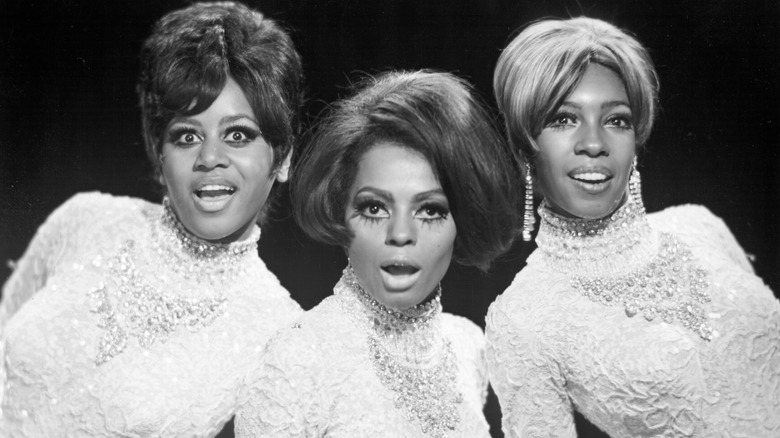
They say you should never quit a hit, and in 1964, Motown up-and-comers the Supremes seemingly took that advice to heart in pursuit of their second No. 1 on the Billboard Hot 100. The result was "Baby Love," which topped the charts in late October that year — 62 years ago today — and stayed there for four weeks. It has remained one of the era's most popular songs.
"Baby Love" represents the moment the Supremes solidified themselves as the premier vocal trio of the 1960s, after years of playing second fiddle to other acts on the Motown roster. It is also a remarkably similar remake of the trio's previous single, "Where Did Our Love Go," which reached No. 1 in August 1964, just two months earlier. Fans would arguably be well within their rights to write "Baby Love" off as a shameless cash-in, yet despite being a seemingly calculated release, it is actually a perfect pop song. As well as being a commercial smash, "Baby Love" has received near-universal acclaim from music critics thanks to its lush instrumentation and exquisite vocal performances.
Making it to Motown
The Supremes had a rocky road towards achieving mid-'60s pop stardom. The group was first put together by Milton Jenkins, a manager who was looking for a female act to share the bill with his male vocal group, the Primes. Initially known as the Primettes, the group was made up of teenage school friends Florence Ballard and Mary Wilson, with Betty Travis briefly in the line-up and Diana Ross and Barbara Martin joining soon after. However, the Primettes struggled to balance performing alongside school commitments, and the make-up of the band shifted repeatedly.
The Primettes then faced an uphill battle to join the Motown label, performing for label veteran Smokey Robinson but only succeeding in losing their guitarist to him. They eventually signed to Lu-Pine Records and released their first songs before they signed with Motown in 1960. Eventually, the group settled as a trio after Martin left, by which point they had established themselves at their new label, where they performed session work for other artists.
By the spring of 1964, the Primettes had changed their name to the Supremes and released several singles under the guidance of Motown's Berry Gordy without securing a hit. That all changed with "Where Did Our Love Go," which saw Diana Ross et al. paired with the songwriting and producing trio Holland-Dozier-Holland.
Two stone-cold classics
The Supremes weren't impressed with "Where Did Our Love Go" at first, considering it a childish ditty that didn't allow them to showcase their talents as mature vocalists. However, the outro contains solos from backing singers Ballard and Wilson, and the tune is buoyed by Motown session group the Funk Brothers, who provide warm bursts of brass, bright guitar and bass, and driving percussion. Both the band and the songwriters returned for "Baby Love," which goes a long way to explaining the similarity between the two songs. The latter single dialed up the qualities that made "Where Did Our Love Go" so successful, opening with now-iconic foot stomps from Motown stalwart Mike Valvano and a sultry lead vocal from Diana Ross.
The quick one-two set the Supremes up for chart dominance. By the end of the 1960s, the Supremes reigned supreme on the national stage, and had scored an incredible 12 No. 1 hits in total, a record beaten only by the Beatles at that point. Though Ross would leave the Supremes to pursue a solo career in 1970, the group carried on in various forms and remained hugely popular among listeners in the streaming era.