

1986 No. 1, Penned 6 Years Before Release, Topped The Charts 40 Years Ago Today
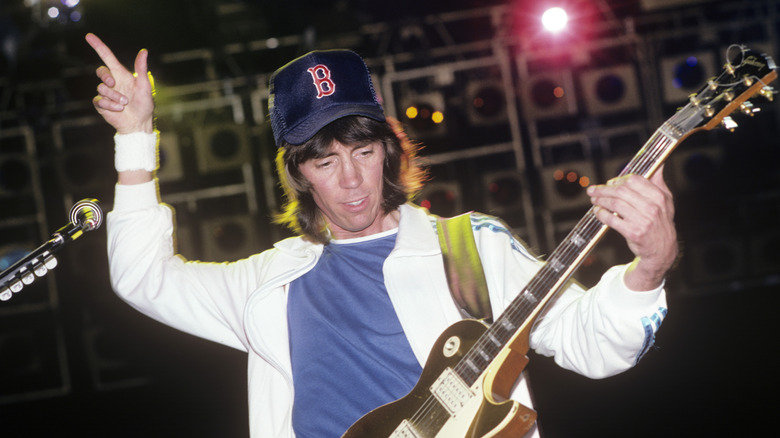
The song that sat atop the Billboard Hot 100 on November 13, 1986 was a throwback track from a throwback band: the power ballad "Amanda" by '70s monsters of rock Boston was No. 1 for the first of the two weeks. It sounded little like the rock that dominated the radio and MTV in the mid-1980s, such as hair metal, roots rock, and synth-pop, and that's because it wasn't of its time. Boston leader Tom Scholz wrote and began recording "Amanda" way back in 1980.
Boston were rockers who became mega-successful off their first single ever, "More Than a Feeling," from their 1976 self-titled debut that sold 17 million copies. Scholz, a perfectionist-level studio wizard and ace guitarist, felt rushed by Epic Records when making the 1978 follow-up "Don't Look Back," and he slowed down the pace for his third album. Scholz took so long that Epic's parent CBS filed suit, prompting further delays as he moved Boston to MCA Records. Still, the "Third Stage" LP and lead-off single "Amanda" weren't quite finished, and they finally arrived in stores in the fall of 1986. Both the album and the showcase song went to No. 1 on their respective charts. The Boston comeback was on with a forgotten smash hit from 1986.
Amanda is why Boston kept making music in the 1980s
"Amanda" is a mid-tempo love song with Tom Scholz' shimmering guitar and Brad Delp's soaring vocals, but it was still a departure from Boston's usual brand of melodic and hard-hitting arena rock. It was also the first thing Scholz composed for the "Third Stage" album, and he felt so strongly about it that it inspired him to complete the LP — eventually. "I felt I had to complete the album in a way that would do justice to that song, because I wasn't expecting it to work out that well," he told Musician. "It set a standard for everything else I had to do." Conceived in 1980, Scholz set to recording the solo for "Amanda" right away, and parts of the original, multi-tracked recording remained foundational in the final, commercially-released version from 1986.
But in 1984, "Amanda" received an unauthorized sneak preview. A rough and incomplete recording leaked, spread, and became heavily requested at mainstream rock radio stations around the U.S. That suggested to the members of Boston that their return, whenever it happened, would be well-received. It was an accurate tradition: "Amanda" became Boston's biggest hit ever, reaching No. 1 on the pop and rock charts and propelling sales of "Third Stage" to 4 million copies.