

Born 94 Years Ago Today In England, She Entertained WWII Troops Before Becoming A Pop Star

On November 15, 1932, Petula Clark was born in southeastern England. While she'd become a pop star of the easy-listening variety in both her native country and in the United States in the 1960s, Clark got her start entertaining her fellow Britons and Allied soldiers during World War II as a radio star and concert draw.
Clark possessed one of the most beautiful female voices of the 1960s, but she was a virtual overnight success following her first performance on the radio. In October 1942, 10-year-old Clark sang on the BBC's globally broadcast variety show "It's All Yours." Her selection: "Mighty Lak a Rose," in tribute to her uncle, who was stationed in Iraq. Clark's performance was so impressive that within two months, she was entertaining soldiers and participating in benefit revues. By the time she turned 12, Clark had sung publicly more than 500 times and appeared on the radio so much she earned the nicknames "Britain's Shirley Temple" and "Radio's Merry Mimic," for her ability to imitate other famous voices. And that was all just part of Petula Clark's first act, well before she became part of the club of British Invasion acts whose popularity once rivaled the Beatles.
Petula Clark was also a pop star in France
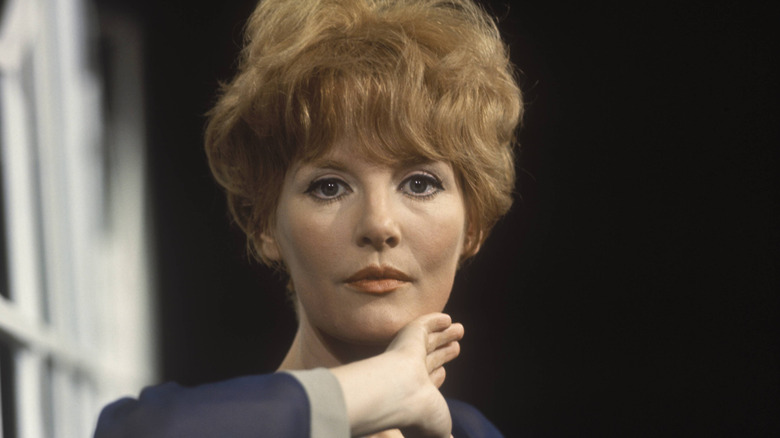
Petula Clark eventually became a '60s musician we completely forgot about, but when that decade of the past was the present, she was one of the biggest pop stars around. Her phase as a singer of contemporary music who could sell a lot of records began in earnest in 1954 with "The Little Shoemaker," a Top 10 hit in England and a No. 1 smash in Australia. After several more hit singles, a well-received show in Paris, and her marriage to popular French singer Claude Wolff, Clark began recording in French. She scored many hit records in France (and also dabbled in music written in German and Italian) while getting her English pop career going.
In the U.K., Clark sang a total of 21 Top 40 hits, including two chart-toppers, "Sailor" and "This Is My Song." Clark was also a sensation in the U.S., landing 15 songs in the Top 40 between 1965 and 1968, including the sentimental, earnest, and affecting No. 1 hits "Downtown" and "My Love." In 1965, Clark, famous in Europe for more than 20 years at that point, was nominated for best new artist at the Grammy Awards. She lost to the Beatles, but she bested the Fab Four in the best rock & roll recording category, where she won for "Downtown."