

The Absolute Worst Concert Performances Of The 1960s
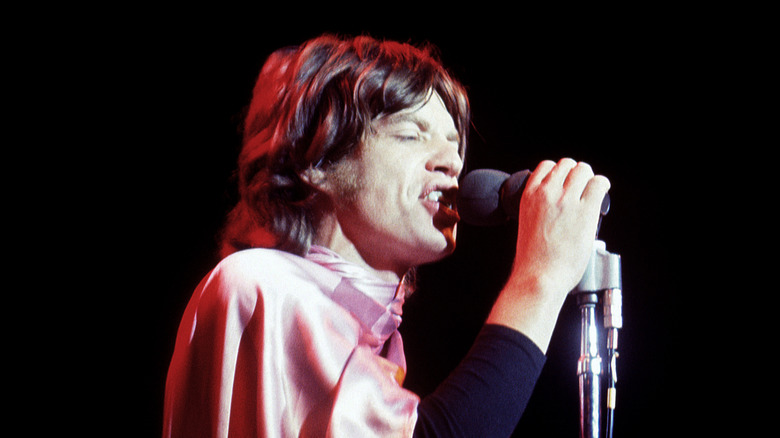
Everyone has an off day, even the greatest and most legendary rock acts of the 1960s. In fact, they're the ones responsible for some of the most legendarily bad concerts that decade. Today, massive rock shows have become so common as to be mundane. Huge teams of professionals know how to create a safe and spectacular evening of musical entertainment to the liking of both the artist and their ticket-holding fans. In the '60s, though, rock concerts were new, and participants were still trying to figure out how they were supposed to go down. The inherent danger and rebelliousness in the music and culture of rock certainly didn't make it a smoother process.
The result: A lot could go wrong in a 1960s rock concert, and it often did. A show could quickly veer out of control and into unseemly, unpalatable, and unwelcoming territory due to band tension, fan behavior, crew misdeeds, security issues, violence, or circumstances outside of anyone's control. Here are the most unfortunate and terrible rock concerts ever headlined by great '60s bands, back in the '60s.
The Doors had a disastrous performance in Miami
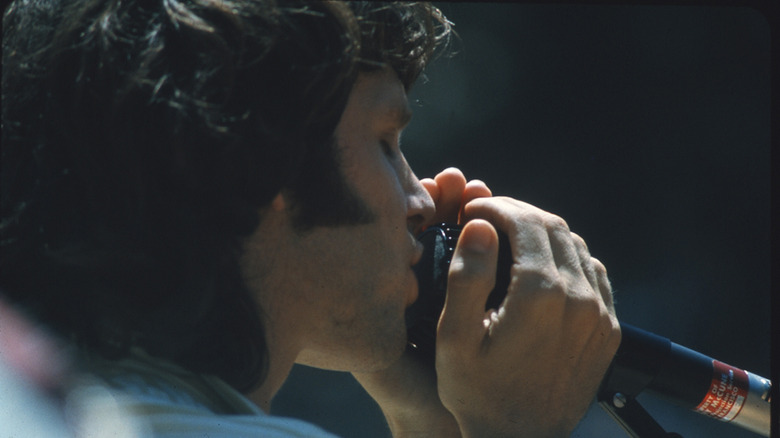
In March 1969, psychedelic rock sensations the Doors rolled into Miami for a show at the Dinner Key Auditorium. But frontman Jim Morrison made it clear that he was a musician who was too wasted to perform live. During the many Doors standards he attempted to perform, he burst into monologues and sometimes couldn't seem to get out the correct lyrics. Whether speaking or singing, Morrison slurred his way through everything. After about an hour of increasingly erratic and unsavory behavior, the singer exhorted the audience to join him. "Let's have a good time, let's have a revolution, everybody come up on stage," he said, according to Rolling Stone. "Come up and touch me." And then, apropos of nothing, he asked, "Do you wanna see my c***?"
Dozens of fans indeed hit the stage, at which point the event's organizer Ken Collier grabbed Morrison's microphone and ordered the non-Doors to go back to their seats. After a bit of light shoving, Morrison then allegedly delivered on his previously rhetorical offer and removed part of himself from his trousers. "Uh-oh, I think I exposed myself out there," he was heard muttering as he left after Collier ended the show. Morrison was later convicted of various crimes committed during the concert and sentenced to pay a $500 fine and spend six months in jail — time he never got around to serving before his death two years later.
The Altamont Free Concert had a body count
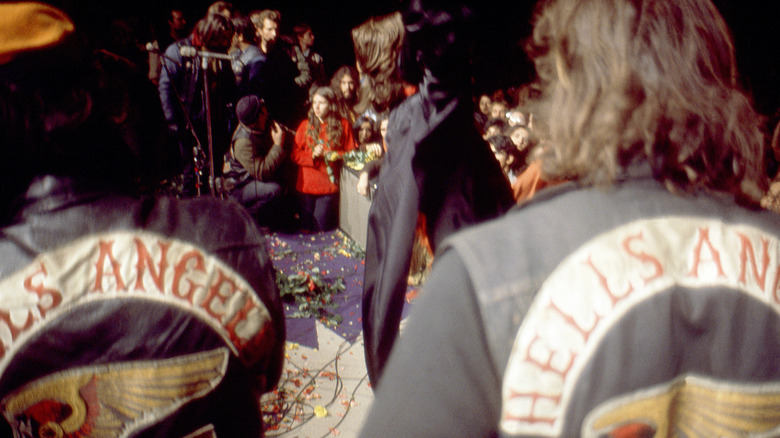
A speedway outside of San Francisco hosted the Altamont Free Concert on December 6, 1969. The Rolling Stones headlined, singer Mick Jagger helped organize the event, and the band opted to bring in members of the Hells Angels, a motorcycle gang, to provide security. Rather than wait to diffuse any situations as they arose, the Hells Angels stalked the grounds near the stage and agitated attendees, smacking anyone who crossed them with pool cues.
Jefferson Airplane played Altamont, and band member Marty Balin got into it with one of the Hells Angels. "[He] told them to f*** off, or something like that," bandmate Paul Kantner told Music-Illuminati. The security guard struck him, and when he later apologized, Balin repeated himself, and he got hit again.
After witnessing many acts of violence throughout the day, attendee Meredith Hunter got a gun from his car to protect himself from the Hells Angels and then got atop a speaker for a safe spot to watch the Rolling Stones' set. A Hells Angel yanked him down and struck him in the mouth. Then a total of five bikers gave chase, stomping on other fans until they cornered Hunter and punched, kicked, and stabbed the 18-year-old. Members of the crowd broke it up to deliver medical attention, but Hunter died. The Rolling Stones didn't know what had happened until after the show.
The Beatles ended its touring era in San Francisco
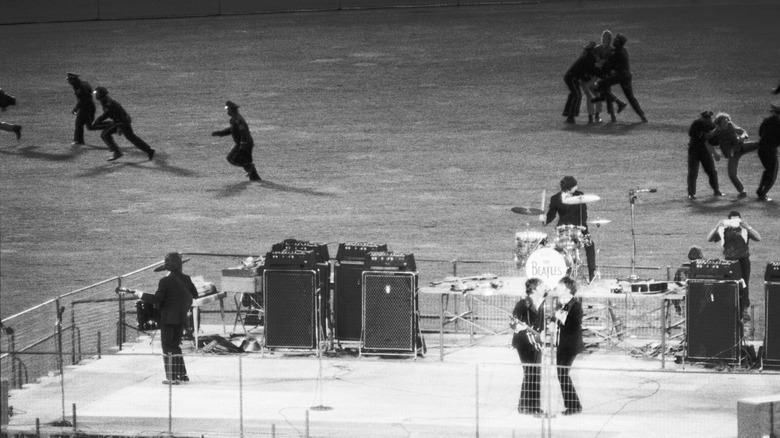
While John, Paul, George, and Ringo mostly dominated the 1960s, a few shocking low points are part of the story of the Beatles. During its 1966 tour, the band's shows became unbearable because the amassed fans collectively screamed so loudly throughout the sets. All that high-pitched yelling meant the members couldn't hear themselves sing or play, and that affected the quality of the musical output (which the fans couldn't register anyway). "Nobody was listening at the shows," drummer Ringo Starr said in "The Beatles Anthology." "That was okay at the beginning, but it got that we were playing really bad." On August 29, 1966, the Beatles performed a set of 11 songs at Candlestick Park in San Francisco. The band was only on stage for about half an hour, and afterward all agreed that enough was enough — the Beatles would become a studio-only project.
And all that audio chaos came from a non-capacity crowd. About 25,000 fans showed up to a venue that could seat more than 42,000 people, and they still made enough of a ruckus for the Beatles to retire from live performance. It was also a financial disaster for promoter Tempo Productions, which, after paying out cuts to the Beatles and the San Francisco city government, lost money.
The Grateful Dead forgettably played Woodstock
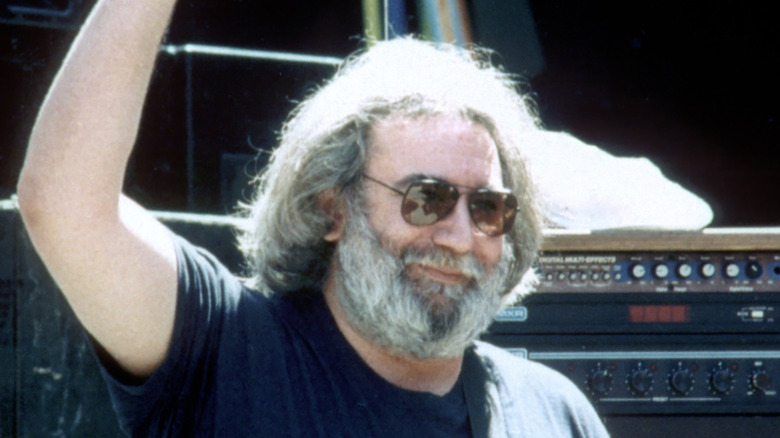
While Woodstock may not have been the largest music festival ever, it was certainly one of the most impactful and important. An iconic touchstone for the boomer generation and the late '60s counterculture, about 400,000 people gathered on a farm in Upstate New York in August 1969 to watch an impressive array of some of the era's biggest and best musical acts perform.
The bill included Santana, Creedence Clearwater Revival, Jefferson Airplane, Janis Joplin, Jimi Hendrix, and the Grateful Dead. While the foundational, free-wheeling jam band only barely appeared in the 1970 "Woodstock" documentary, none of its performances were included on the sprawling live soundtrack album. And that's just fine with Grateful Dead leader Jerry Garcia, who by 1971 came to believe that the group's Woodstock performance was among its worst. "Our set was terrible. We were all pretty smashed, and it was at night. Like we knew there were a half million people out there, but we couldn't see one of them," Garcia explained to "Jazz & Pop" in 1971 (via Biography). "There were about a hundred people on stage with us, and everyone was scared that it was gonna collapse. On top of that, it was raining or wet, so that every time we touched our guitars, we'd get these electrical shocks. Blue sparks were flying out of our guitars."
The Who got violent
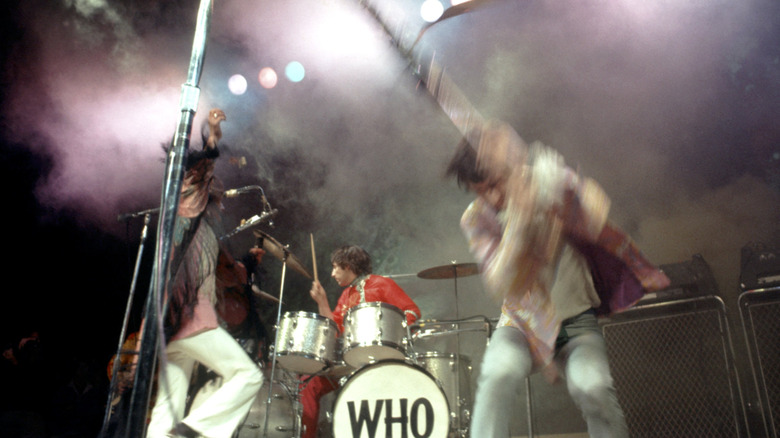
The Who was generally good for a raucous and rousing performance, particularly in the 1960s. Fans who attended a May 20, 1966 show at the Ricky-Tick, a club in the English county of Berkshire, got all that and way too much more. Drummer Keith Moon and John Entwistle weren't even on the stage when the show began, arriving more than two hours past its scheduled start time because they'd gone out drinking with Bruce Johnston of the Beach Boys. When they arrived, they found emergency replacements in their stead. Singer Roger Daltrey and guitarist Pete Townshend had brought in Colin Strandring and Geoff Brown, the respective bassist and drummer of the Jimmy Brown Sound, the Who's opening act that evening.
Entwistle and Moon then drunkenly and loudly bullied their way onto the stage, forcing their understudies out. The gig proceeded, and with tensions already high, Moon destroyed his drum set on stage. One of his cymbals got out of his control and struck Townshend. In response, he attempted to stab a speaker with his guitar — instead, he walloped Moon in the head. At that point, all the band members were fighting amongst themselves, and promoters pulled down the curtain to end the show. Moon got a black eye, a hurt ankle, and had to get stitches for a nasty cut. Along with Entwistle, he even quit the Who, although they'd both return a day later.
An attempted murder canceled a Kinks concert
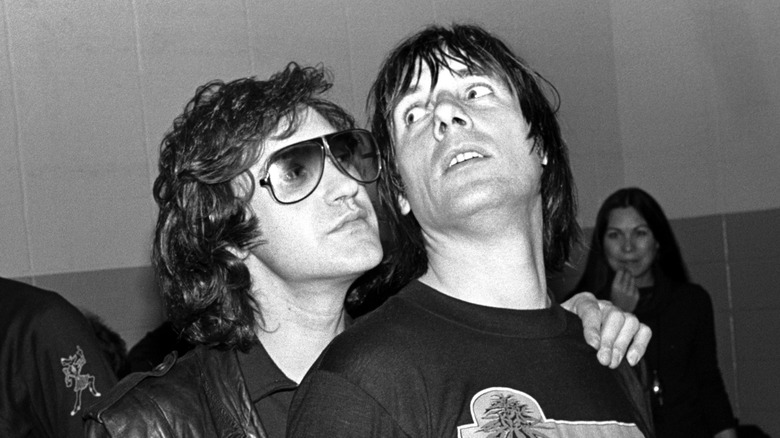
The Kinks' Ray and Dave Davies can't stand each other, and the latter, the band's main guitarist, also engaged in an ongoing feud with drummer Mick Avory. During a 1965 concert, that hostility boiled over in public with an extreme act of violence. On the night before the performance at the Capital Theatre in Cardiff, Wales, a lot of drinking led to a physical fight between Dave and Avory, in which Avory emerged as the victor. Apparently seething over that turn of events, the guitarist knocked over Avory's drum kit on stage just two songs into the concert.
Then the show came to a quick and natural conclusion. After Davies quipped that Avory should play his destroyed setup with a certain part of his anatomy, the drummer came unglued. He attacked Davies with one of his cymbals, slicing at his throat with it in an act that looked like an attempted decapitation. Dave Davies needed immediate emergency medical attention; Avory took off. "The police wanted to do Mick for attempted murder," Ray Davies told Wales on Sunday (via WalesOnline). "That could have been the end of the Kinks right there — it really had a tremendous emotional effect on me," he admitted elsewhere.
The fake Zombies didn't fool many
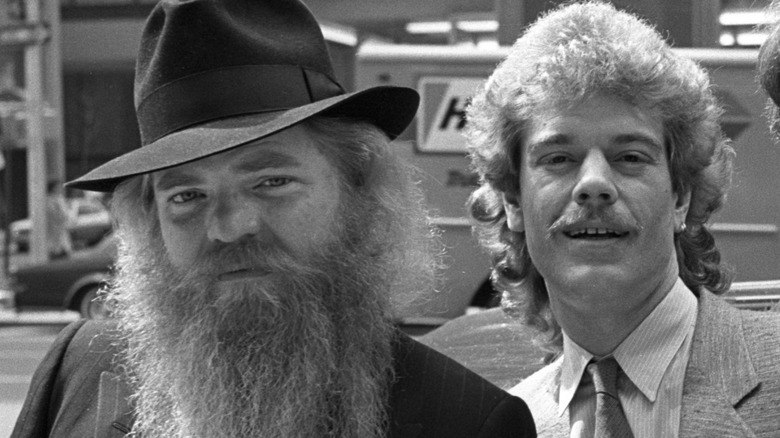
Ethereal U.K. rock band the Zombies had a few American hits in the mid-1960s, including "She's Not There" and "Tell Her No." Then the Zombies stopped making music, breaking up around 1967. Two years later, Date Records, the group's American label, dug out the old Zombies tune "Time of the Season" and released it as a single. It was a smash, hitting No. 3 on the Billboard Hot 100 in 1969. Seeking to cash in on the newfound interest in the dormant band, Delta Promotions hired a bunch of musicians from Texas with the plan to send them out on a tour billed as the Zombies. For practice, Delta first had its hired hands pose as a different band: The folky Rose Garden, a one-hit wonder in 1967 with "Next Plane to London." That's the only song the group learned — it filled out its set with electric blues rock, which makes sense because two of the guys in the band would go on to form ZZ Top. Audiences were left confused: Rose Garden had a female vocalist, and this collection was all-male.
The pretend Zombies didn't do much to sway audiences. Half the members wore cowboy hats, the set list included many non-Zombies songs, and nobody played the keyboards, a vital part of the real band's sound. During one of the few shows played before the project fell apart, fans who came expecting to hear the Zombies began to file out around the fourth song.
That Rolling Stones made them riot in Rochester
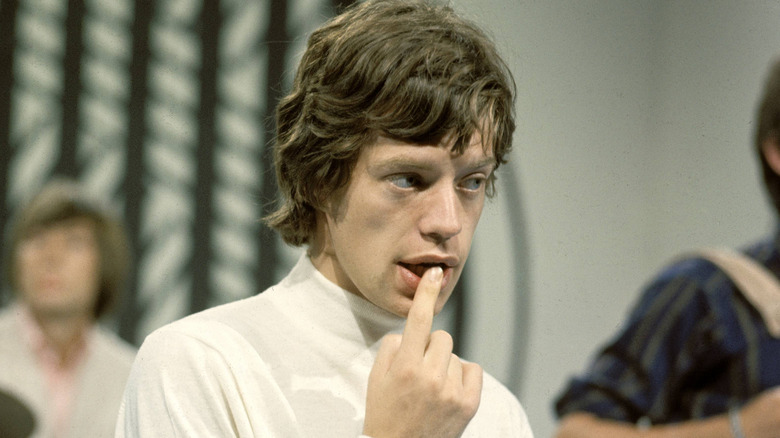
When the Rolling Stones embarked on its second tour of the United States in 1965, it made a stop on November 1 at War Memorial, a sizable arena in Rochester, New York. Area law enforcement was so sure that something twisted was going to happen when the lively British blues rockers started playing that it amassed a massive security detail. Including police officers, venue employees, and ushers, 120 individuals stood ready when the Rolling Stones took the stage in front of 4,000 excited fans.
That delight turned to disdain when the police abruptly forced the show to end, purportedly in the name of public safety. "The ones down front — particularly the girls — caused most of the trouble," Chief William Lombard of the Rochester Police told the Times-Union (via the Democrat & Chronicle). "They really started to get worked up when one Rolling Stone took off his jacket." Rather than risk the unnamed Stone dressing down to his undershirt, Lombard put plans in motion to shut it all down.
The livid crowd of mostly young people reportedly tossed their boxes of candy, shoes, and other things around and in the direction of the stage. A projectile struck a police officer in the eye, and he was hospitalized. A 16-year-old caught up in the melee hurt their leg and received treatment. Numerous ill-mannered and rowdy minors were removed from the premises. Total length of the Rolling Stones concert in Rochester: six songs.
The Monkees' opening act wasn't the best pick
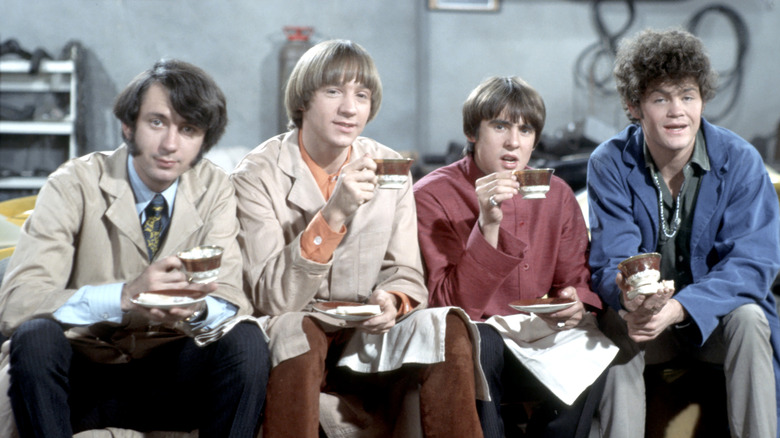
One strange thing about the Monkees is that when the uber-popular pop band went on tour in the summer of 1967, its opening act was the Jimi Hendrix Experience, a hard and heavy psychedelic trio formed by the eponymous guitar legend. At the time, the Monkees was an assembled-for-TV pop rock band marketed to children and young teenagers. Hendrix had elevated himself to superstar and likely headliner status after a memorable set at the Monterey International Pop Festival, during which he made headlines for flaming up his guitar. But because the Monkees was such a big craze, Hendrix's management convinced him that he ought to join the tour, and he reluctantly agreed.
Almost immediately, Hendrix's worry that the Experience and the Monkees were a bad fit came to fruition. Any Hendrix fans who attended those shows in July 1967 hoping to enjoy some hard rock were likely to have had their night ruined by the crowd of very young Monkees super-fans yelling and chanting to bring out the headliner — or to see teen idol Davy Jones in particular. Such behavior persisted, and after just one week on the road, Hendrix negotiated the release of his band from the tour.
Denver Pop got teargassed
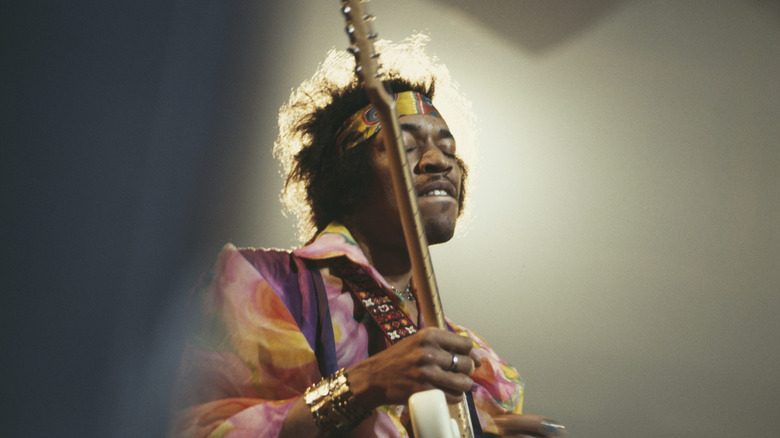
On the last weekend of June 1969, the three-night Denver Pop Festival took place at Mile High Stadium. It drew in 62,000 young rock fans with an impressive lineup that included Joe Cocker, Frank Zappa and the Mothers of Invention, Three Dog Night, and Iron Butterfly. A band called Zephyr was playing on the second night when police on the scene started to deliver tear gas into the audience. Reportedly, it was a crowd disbursement technique to combat a reported surge of unticketed attendees. Emcee Chip Monck had to address the crowd, warning them to not touch their eyes and recommending tips on how to make the searing pain go away. Nevertheless, police still kept unleashing tear gas throughout the evening.
At the end of the final night of the Denver Pop Festival, the Jimi Hendrix Experience showed up for what would be its final gig. At the very end of its segment, a riot broke out, and once again, citing a crush of people, police once more let loose with the teargas. That sent the masses into a pained frenzy. A crew member got Hendrix and the band away from the stage and into an equipment truck, but attendees followed and jumped on the car, temporarily threatening the trio's safety.
Half of the Velvet Underground couldn't make it to Chicago
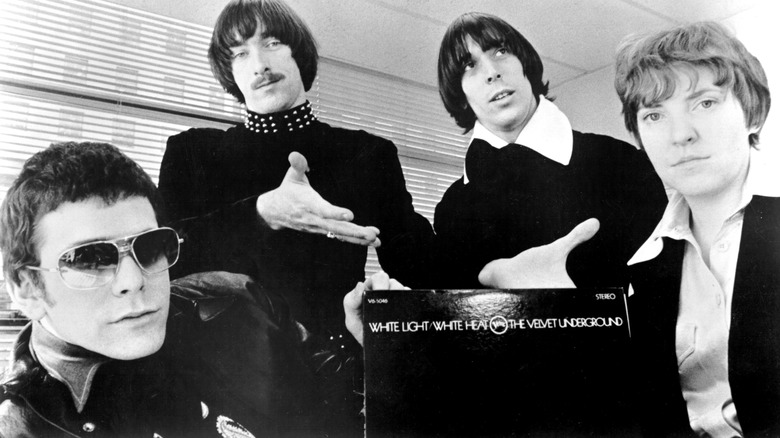
The Velvet Underground introduced a level of the ominous, rough, and weird to rock, and it would prove very influential to musical movements in the '70s and '80s. Its first three albums caused a stir when they were released in the 1960s, and the band got a lot of press and attention because of its benefactor and manager: celebrity pop artist Andy Warhol. The group was a focal point of "Exploding Plastic Inevitable," a staged performance art piece designed by Warhol. It played well to the hip, artistic underground of New York City in 1966, so Warhol, the Velvet Underground (sometimes with vocalist Nico), some dancers, and a crew took the show on the road, where it played to mixed reviews.
But then frontman Lou Reed had to be hospitalized with hepatitis, and Nico left the U.S., leaving the band down two crucial members before a week-long residency at Chicago's Poor Richard's. The remaining musicians juiced the lineup, welcoming back original drummer Angus MacLise, which moved Moe Tucker to bass. Multi-instrumentalist John Cale assumed Reed's vocal chores. Despite the messy musical chairs and not giving fans the marquee names they came to see, the shows received moderately good notices.