

The No. 1 Song On September 2, 1980 Sounds Even Groovier Today
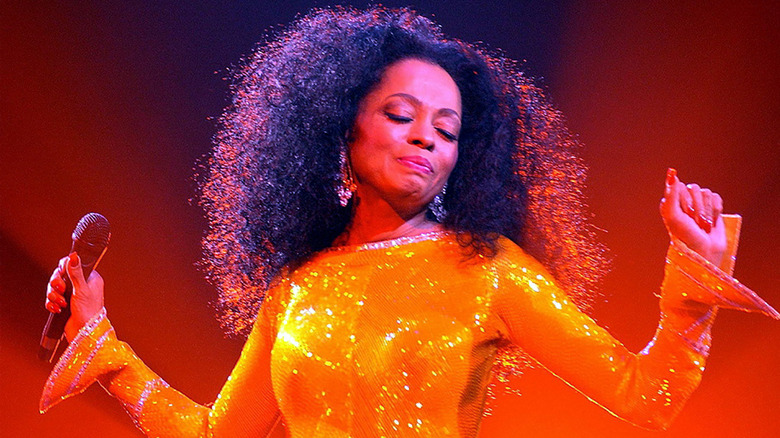
On September 2, 1980, Diana Ross' "Upside Down" was in the middle of the first week of what would be a long run at the top of the Hot 100. The song's disjointed and rhythmically surprising melody fit the lyrics about romantic bewilderment and frustration, providing a funky, non-stop groove that proved irresistible to record buyers, radio listeners, and dance floor denizens in the late summer of 1980.
The first single from Ross' album "Diana," "Upside Down" triggered a comeback for the pop and R&B superstar. Leader of the Supremes until she left for a solo career, Ross recorded some lovable flop songs in the '70s and hadn't seen the top of the pop chart since 1976, with "Love Hangover." "Upside Down" and its four weeks at No. 1 restored Ross to the upper echelon of American music icons while also serving as a bridge between disco, then in its dying days, and glitzy '80s dance pop.
Remarkably, "Upside Down" was Ross' biggest hit to that point, outperforming everything she did with the Supremes. In 2018, Billboard named the late-disco smash the No. 80 song of all time; Ross' only single to rate higher was "Endless Love," her later duet with Lionel Richie. But the joyful-sounding "Upside Down" has a tumultuous backstory, with its creation mired in difficulty and controversy.
The Upside Down that hit No. 1 isn't the original version
Nile Rodgers and Bernard Edwards headlined disco hitmakers Chic and became one of the most acclaimed creative teams of the 1980s. Diana Ross was the first major star to employ Rodgers and Edwards, and they wrote and produced her 1980 "Diana" album. But when she heard the final product, Ross didn't like it. To her, the tracks sounded less like a Diana Ross album and more like Chic tracks, such as "Le Freak," "Good Times," and other disco songs from the '70s that can still get people to dance today. In particular, Ross felt that her vocals barely registered as featured-singer performances.
Ross ordered Rodgers and Edwards to mix the album anew, with her vocals more prominent, including in the potential single "Upside Down." The duo dutifully re-did "Diana," and Ross still didn't think it was vocals-heavy enough, so she found a new producer to make that happen: frequent Motown Records collaborator Russ Terrana. He made everything, up to and including "Upside Down," more Ross-centric, placing the vocals much higher in the mix.
It's Terrana's version of "Upside Down" that was released for public consumption. And it's the one that spent four weeks at No. 1 in the U.S. and topped the pop charts around the world, including Australia, Italy, and New Zealand.