

'80s Rock Icons That Tarnished Their Own Legacy
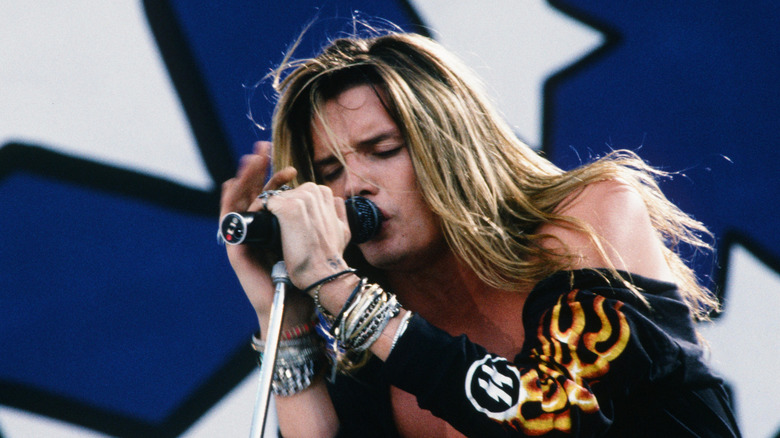
The rock stars of the 1980s enjoyed lifestyles that few musicians today could ever imagine. The industry was buoyed by the continually large sales of physical units as well as the infrastructure to undertake incredibly massive and lucrative world tours. Unsurprisingly, many musicians basked in the hedonism and excess that the genre is generally known for.
Some of the era's biggest bands, such as Mötley Crüe, made their hard-partying lifestyles central to their brand, only to later find their standing as performers suffering as a result. Others, such as Guns N' Roses, struggled to clarify their artistic direction in the decade that followed, which was dominated by new grunge and industrial bands that radically altered the musical landscape. Guns N' Roses flailed amid scandals for more than a decade and saw key members — such as the band's iconic guitarist Slash — walk out. Eventually, they settled again as a live act focused on giving audiences what they want: Blistering performances of their old classics. The Crüe, too, has got its act together in recent years and reconnected with its audience.
But what about those whose legacies have taken a pounding and failed to properly recover? Here are three rock icons who have lost some of their shine since their heyday.
Ted Nugent
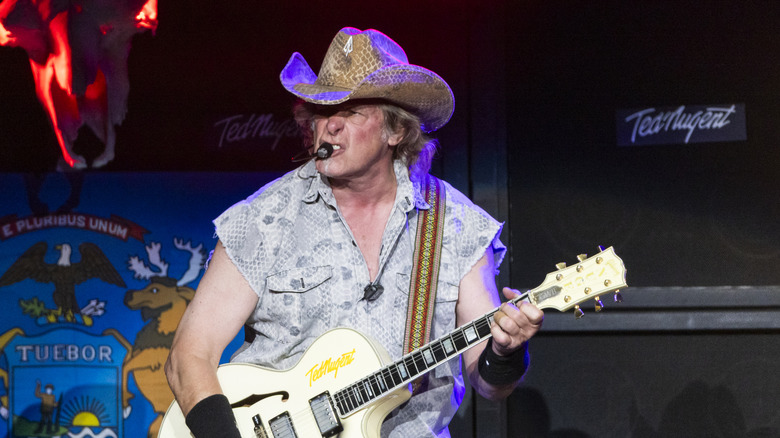
Ted Nugent was one of the most revered guitarists of the 1970s and 1980s, winning acclaim for his musicianship as well as his wildman theatrics during live shows. For most of the 1980s, he went solo, albeit with slightly diminishing commercial and critical returns. So Nugent ended the decade in the short-lived supergroup Damn Yankees, which released two albums before calling it quits.
Nugent has also been notable throughout his career for his outspoken, staunch conservatism, which underpins his vocal support for gun ownership, and he used his Detroit radio show as a platform to discuss political issues. However, he has also attracted a great deal of controversy down the years that has more than likely taken a toll on his listenership. He has made comments about Barack Obama that were widely interpreted as racist, and he has also posted messages on social media that have been described as antisemitic.
Sebastian Bach
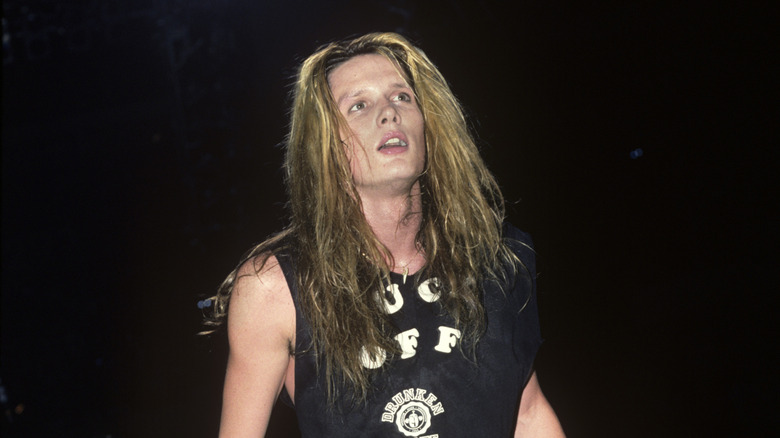
As the lead singer of the bestselling 1980s band Skid Row, Sebastian Bach seemingly had everything required of a hard rock frontman. He was famed for his chiseled good looks (back in the day, his cheekbones looked as though they could cut diamonds), his swagger, and his theatrical stage presence. The singer's showmanship helped propel Skid Row to the big time, with the band enjoying two Top 10 singles and two albums in a row that went platinum in the U.S.
But it is fair to say that Bach's role as frontman was powered by his ego. So unsurprisingly, his onstage persona — which included riffing with the audience, trashing pop stars on stage, and explaining the lyrics to songs that he had no part in writing — started to irritate his bandmates. More than that, in 1989, he made the terrible decision to throw a glass into the audience, which resulted in serious lacerations for a teenage girl at the show. He was reportedly just as volatile offstage, and in 1989, he drew more bad press for the band when he wore an openly homophobic T-shirt.
As the 1990s progressed, Bach's bombastic performance style began to look increasingly dated in contrast to the authenticity of the grunge movement. Skid Row disbanded in 1995, and if you're wondering what happened to Bach, he increasingly turned to acting and theater. When the band reformed in 1999, it was with a new singer, Johnny Solinger, and Skid Row's members were open about how they would never want to play with Bach again. The band has since rotated through multiple singers and is currently looking for a new one.
Morrissey
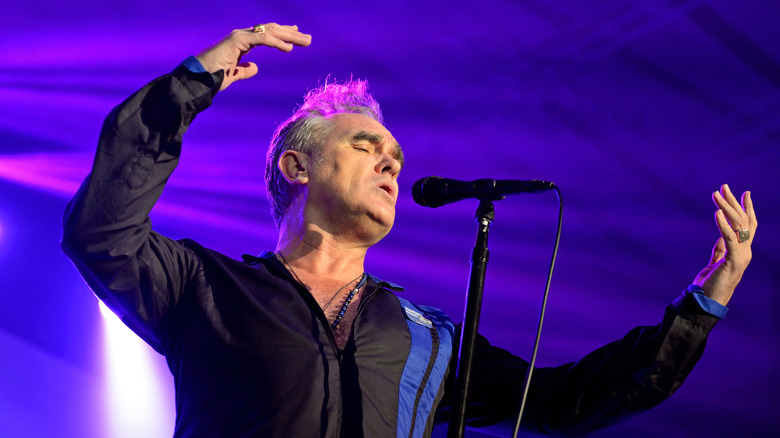
Morrissey became a megastar in his native U.K. and an eventual cult icon in the U.S., thanks in great part to the stunning music he made in the mid-1980s with the British indie band The Smiths. He worked alongside guitarist Johnny Marr, whose lush playing style truly set The Smiths apart from other bands of the day. Together, the pair created timeless songs of adolescent alienation and longing that are still a rite of passage for many music fans around the world. When the band split in 1987, Morrissey went on to enjoy a long and successful solo career, and he continues to perform to rapt audiences to this day.
Yet while Morrissey was widely feted as an indie genius by the music press well into the 21st century, his reputation has taken several blows in recent years. The singer has always been outspoken, but he attracted a great deal of scorn for describing Chinese people as a "subspecies" in an interview with The Guardian. He has also publicly supported For Britain, a far-right group that many have labeled racist, and also defended convicted rapist Harvey Weinstein. "People know exactly what's going on, and they play along," Morrissey reportedly said of the former movie mogul inviting actresses to his hotel room (per the BBC).
To have veered so far to the right from the progressive politics he seemingly supported back in the 1980s has been interpreted by many former fans as a betrayal. However, some have pointed out that Morrissey has long been nationalistic, even provocatively posing with a Union Jack flag in the 1990s. And according to "Morrissey and Marr: The Severed Alliance," when he was a teenager, he allegedly wrote in a letter: "I don't hate Pakistanis, but I dislike them immensely."
If you or anyone you know has been a victim of sexual assault, help is available. Visit the Rape, Abuse & Incest National Network website or contact RAINN's National Helpline at 1-800-656-HOPE (4673).