

The 5 Most Addictive Songs To Come Out Of 1970
The music of 1970 was like an ear-candy store, loaded from end to end with super-sweet songs saturating the airwaves. The year was like a crossroads between the Free Love movement, the Folk Generation, and the future of pop and rock, with a slew of styles and sounds swirling together in a multi-genre playlist. It was like a musical potluck, with everyone bringing a dish to pass, and some songs that were good enough for seconds.
The most addictive songs of 1970 featured singable melodies that stuck with us even after the song had ended. We still hum them in the shower or bop along when we hear them as background music in the grocery store. They also need a great beat, which sounds a little cliché, but if the rhythm captured our soul and made us move, the song had us in its clutches for good. And because these memorable tunes were so captivating for so many years, they prove their addictiveness by becoming comfort food we can listen to — songs we reach for all these years later when we need something that makes us feel good.
Five stand-outs have entertained us without fail, even with 55-plus years of replay. The shiny R&B of "Signed, Sealed, Delivered (I'm Yours)" by Stevie Wonder, the sing-along pop of "My Sweet Lord" by George Harrison, and the girl group charm of "Band of Gold" by Frieda Payne are among the songs of 1970 that keep us coming back for more.
Signed, Sealed, Delivered — Stevie Wonder
This classic by one of music's royalty presents one of the catchiest choruses ever committed to recorded media. From Stevie Wonder's rapturous opening scream to the bounding stairstep bass line to the horn section capturing sunshine with every sweet brassy blast, it's maximalist musical alchemy. You may not want your shoulders to bounce in public when this song pops up on your playlist, but your shoulders don't care; they're going to bounce, and there's nothing you can do to stop them.
Part of the sneaky songwriting tricks that gets everyone rising to the joyous occasion is the stair-step climb of the melody. The verses start low and climb to the top of the musical staff, leading your ear in the direction of that happy cry, "Here I am, baby — signed, sealed, delivered, I'm yours!" That ascending structure gives your ear something to follow. And when you find what's waiting at the top of the stairs, it's like a dance party firing up with all the aural confetti and streamers flying.
This celebratory musical confession of love hit No. 3 on the Hot 100 and went all the way to No. 1 on Billboard's R&B chart in the summer of 1970 and stayed there for six weeks. It's also been covered or sampled more than 60 times, with artists like Michael McDonald and Elton John reviving its upbeat energy for new audiences to enjoy.
Band of Gold — Frieda Payne
"Band of Gold" gave Freida Payne an unforgettable wedge of sad-happy musical enchantment that captured girl-group wall-of-sound sweetness in its final throes. The melody wastes no time getting to the good stuff, leading with the chorus, "Now that you're gone / all that's left is a band of gold," an opening line that cuts to the chase and invites you to add your own "sha-la-la" backing vocals. Strangely enough, this break-up song that still makes boomers mad comes with a delivery that's more cheerful than the subject matter deserves.
The bass riff that kicks everything off is a timeless intro to a song we can't get enough of. Payne plaintively describes spending her honeymoon night in a separate room from her husband, setting up a mystery: Did the groom desert her before their marriage even got started, or did he step out to cheat and prove himself not wedding-worthy? We never learn what became of the couple, but it doesn't matter. With a melody this mesmerizing and hooks that don't let go, we're all in, even if the groom isn't.
An abandoned bride may be unlikely fodder for such a sunshine-filled melody, but it works brilliantly. The singer herself thought the song depicted a teen bride who wasn't ready for marriage, and believed that, at 27 years old, she was too old to sell the concept. Luckily, she recorded it anyway, and the song went to No. 3 in the U.S. charts, and hit No. 1 in the U.K charts, where it stayed for six weeks, but "Band of Gold" also is an enduring and addictive 1970 tune we can return to till death do us part.
I Want You Back — The Jackson 5
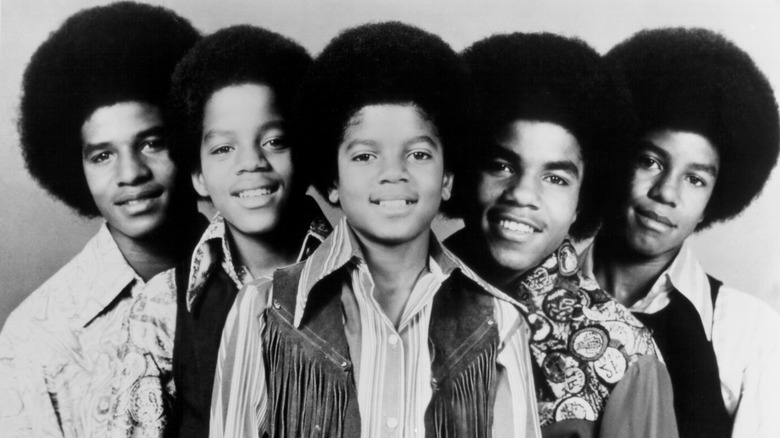
The Jackson 5 sent "I Want You Back" all the way to No. 1 in January 1970, led by then-10-year-old Michael Jackson showing the world a glimpse of the genius to come. It was a smart move to give Jackson and his brothers this playful piece to work with. The song was originally intended for Motown act Gladys Knight & the Pips, but the team behind the tune reconfigured it into one of the catchiest hits of the 20th century — and an auspicious debut for the historic Jacksons.
This sliver of musical bliss kicks off with that funky-chunky guitar chord ringing out loud and proud, letting everyone know that good things are sure to follow. And follow, they do — bass and piano keeping lockstep on a now-famous groove; harmonies that blend like sugar and cream; and a sprightly energy that makes it impossible not to dance. Little Michael Jackson projects peak precociousness in every line, singing about heartache he's too young to understand with the earnest soul of someone much older. And of course, the chorus ringing out with, "Oh baby, give me one more chance," is a key moment in the King of Pop's early years.
It's no mystery why "I Want You Back" has held our interest for all these decades. It sparks more joy than a firework stand, and it showcases vocal work and musicianship that set the tone for so much amazing music to come.
Arizona — Mark Lindsay
Mark Lindsay released a sugar-saturated tribute to hippie culture with "Arizona." This is one of 1970s shiniest musical celebrations of that year, a groovy tale of free love meeting up with middle America in a time when both cultures were undergoing a major reckoning. The Paul Revere and the Raiders singer had taken his band to the heights of '60s pop-rock music when this nugget gave him a taste of a solo career.
There's a simmering jam happening as the song opens, a funky guitar and bass back-and-forth brewing as Lindsay quietly points out that "she must belong to San Francisco" thanks to her bohemian tendencies. He accuses her of "acting like a teeny-bopper runaway child" and implores her to come back to reality. The song picks up juice — and an infectious horn section — as the chorus "Ari-ZO-na, take off your rainbow shades ..." and suddenly, we're all singing along. By the bridge before the final chorus, Lindsay is under her spell, telling her he'll do "anything to make you stay."
The song dropped in 1969 but didn't reach the Billboard Top 10 until February 1970, making it a member of that year's hit parade. Even in the 2020s, there's no resisting the sing-along-ability of this upbeat jam. It's a smart blend of hippie free love earthiness and commercial pop music gloss with enough period spirit to feel vintage.
My Sweet Lord — George Harrison
George Harrison launched a smashing solo career with a debut song brimming with hooks. "My Sweet Lord" was a sparkling introduction to what the quiet guitarist was capable of all on his own, as well as becoming a No. 1 hit. The song took his noteworthy contributions after the break-up of the Beatles and fashioned them into a sweet chunk of spiritual-inspired ear candy that still resonates. The acoustic strum, the hallmark Harrison slide guitar work, the honey-soaked melody — it's as tasty a treat as anything Harrison ever cooked up with his former band.
But the melody rang a little too familiar when it first appeared on the horizon. The similarities prompted a 1976 lawsuit from the estate of deceased songwriter Ronnie Mack, who felt it was a rip-off of the No. 1 song "He's So Fine" he'd written for The Chiffons in 1963. Harrison himself claimed to have been spurred by "Oh Happy Day," another upbeat tune from Edwin Hawkin Singers. A ruling of "subconscious copyright infringement" and a $587,000 payout closed out the lawsuit in 1981. By then, the song was practically a standard.
After the tragic real-life story of George Harrison culminated in his death in 2001, "My Sweet Lord" jumped back up to No. 1, setting a record for its 31-year span between chart toppings. Lawsuit, penalties, and proclaimed unintentional plagiarism aside, it's one of 1970's sweetest releases, one that still sticks in our musical teeth like melodic sugar.