

Why 1994 Was Alternative Rock's Best Year Ever
Kurt Cobain's tragic real-life story came to an end in 1994, and that pretty much marked the end of the grunge rock era, too. Dominating and reinventing rock music since the early '90s, grunge was all about odd tunings, guitar feedback, and poetic but downbeat lyrics. Grunge, and the greater world of alternative rock, was dominated by Cobain's band, Nirvana, and its Seattle-area brethren like Pearl Jam, Soundgarden, and Alice in Chains.
While the abrupt loss of Cobain's influence on music was painfully felt, something strange happened: 1994 turned out to be one of the most artistically inventive years that rock would ever see. So many paths converged: The more established alternative rock bands of the 1980s reached new heights, while many new acts and movements broke through, heralding a new era of rock to replace the departing grunge. Not even counting the triumph of alternative rock at the Lollapalooza tour and the Woodstock festival, 1994 was loaded with watershed moments that made it the best year ever for slightly off-kilter and exciting indie, alt, and college rock — one that we'd never remotely see again.
Old sounds became new
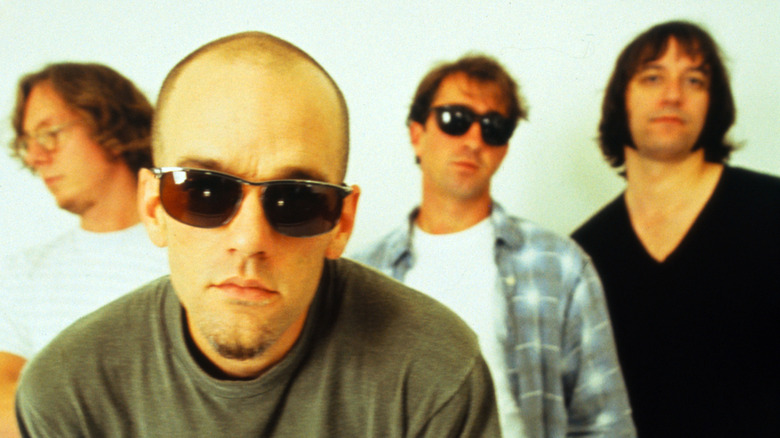
Some of the most influential alternative rock acts of the 1980s returned in the post-grunge climate of 1994 to reclaim their legacy and help shape the sound of the decade. R.E.M. abandoned its acoustic, jangly sound and plugged in. The group added layers of electric guitar and distortion on its quadruple-platinum album "Monster," which included its edgiest hits ever in "What's the Frequency, Kenneth?" and "Bang and Blame." Morrissey, having gone solo from his U.K.-popular/U.S.-cult favorite The Smiths, hit No. 1 on the alternative chart with "The More You Ignore Me (The Closer I Get)." Richard Butler of Psychedelic Furs reemerged with Love Spit Love ("Am I Wrong"), and David Lowery of Camper Van Beethoven established Cracker as a major rock radio band with "Low" and "Get Off This."
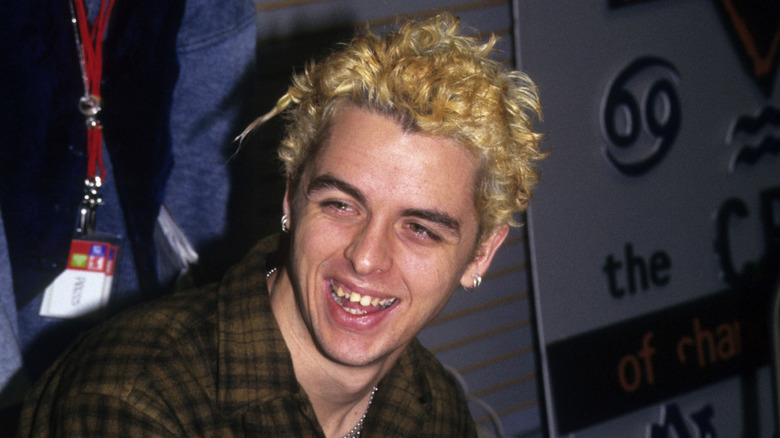
Even old-school punk acts became mainstream rock stars in 1994. Rollins Band (with Henry Rollins, formerly of Black Flag) struck with "Liar," and Bad Religion was all over the radio with "Stranger Than Fiction" and "21st Century Digital Boy." Both bands benefitted from 1994's commercial breakthrough of punk. The same year, Green Day, The Offspring, and Rancid all released their first successful albums in what would be long and storied careers. Meanwhile, extant grunge bands Alice in Chains, Soundgarden, and Pearl Jam took risks with more experimental and ultimately top-selling albums like "Jar of Flies," "Superunknown," and "Vitalogy," respectively.
Brand new sounds emerged
While the sound of 1994 was somewhat composed of ideas from the past, the biggest alternative rock hitmakers of the year brought a fresh and exciting sensibility to the fore. Bands like Counting Crows, Live, and Weezer combined radio-friendly pop hooks and singalong melodies with gritty, rougher hard rock tropes. And then there are acts like the tough-to-categorize Beck, a sampling and studio-utilizing LA folk-rapper who had an unlikely Top 10 pop hit with the bilingual and nonsensical "Loser."
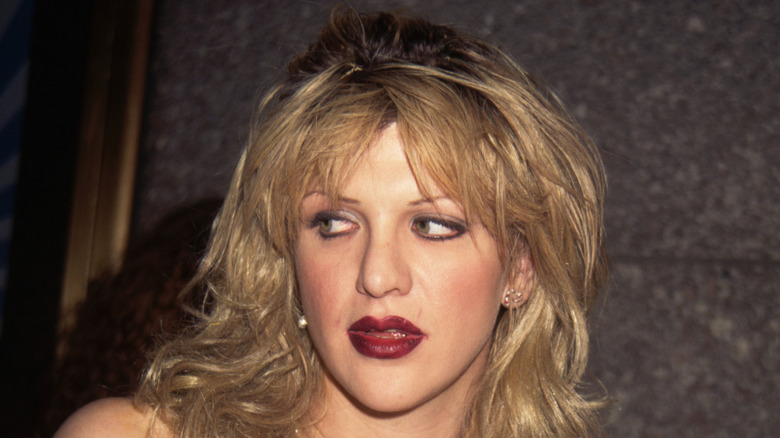
Before 1994, rock music of all kinds was mostly dominated by male acts and male-fronted bands. That year, women got a lot of attention on the radio, MTV, and the album charts. Chicago band Veruca Salt, subject of a label bidding war, released its first single, "Seether. Meanwhile, Liz Phair, a critical favorite for her 1993 debut LP "Exile in Guyville," started racking up hits in 1994 like "Supernova." Singer-songwriter-pianist Tori Amos enjoyed her most sustained period of commercial success that year with "God" and "Cornflake Girl." Dolores O'Riordan's Cranberries began the year as a dreamy, epic band responsible for "Dreams" and ended it with the hard-charging "Zombie." And one of the most acclaimed albums of the year was "Live Through This" by Hole, a band fronted by the heavily scrutinized Courtney Love.