

The Darkest TV Finales In History
Here's the truth, TV fans: No matter how good a show is, who it influences, or how many seasons it can go on before losing steam, nobody ever forgets (or, in some cases, forgives) the ending. Seriously, just look at "Game of Thrones" (which was based on some real history). Television programs, at their core, are serialized stories, and every good story has an ending.
This creates quite a predicament for any showrunner, since they feel pressured to achieve the near-impossible task of writing a finale that tops every single episode before it. Sometimes, the writers knock it out of the park, paying off multiple years of character arcs, tying up the loose threads, and leaving audiences deeply satisfied that the ride was worth it. Other times, it seems like nobody realized they needed to write an ending until the last day.
Either way, though, memorable endings — whether good or bad — don't always come from happy places. Sometimes, even the happiest show can terminate its run in a surprisingly depressing manner. And while some of the disturbing endings here were the result of unexpected cancellations, whereas others were caused by seemingly intentional cruelty, they all share the quality of having created an unsettling place wherein to leave your favorite characters behind.
Seinfeld put everybody in prison
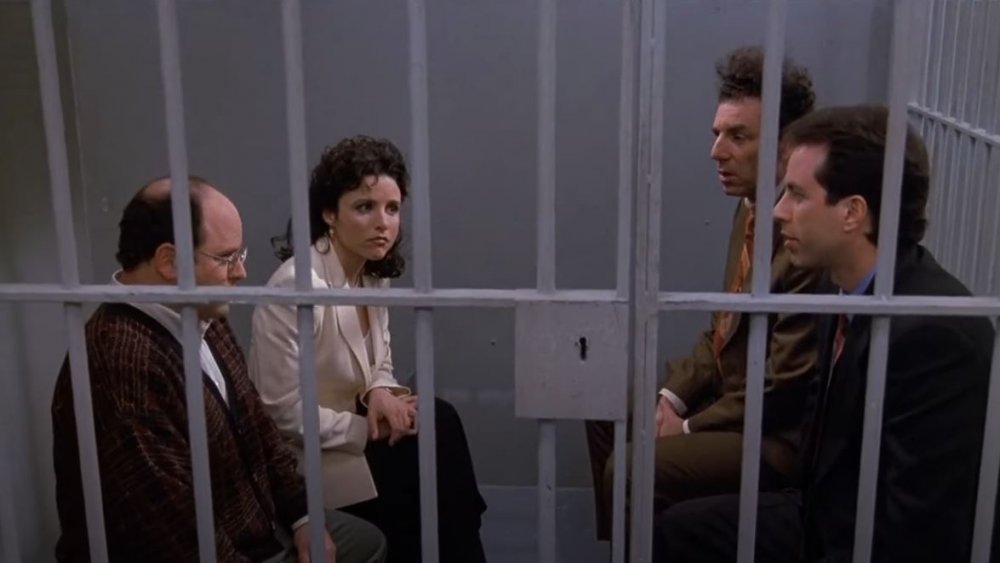
You either love the ending of "Seinfeld" or you hate it. Most likely, the latter. No matter what, though, you have to admit that it was a boldly dark way to end an otherwise lighthearted sitcom.
What makes the "Seinfeld" finale so quietly sinister, to be clear, isn't just that it throws the crew of Jerry, Elaine, George, and Kramer behind bars. No, instead, Larry David clearly wanted to put viewers in the deeply, deeply uncomfortable place of acknowledging that as funny as these folks might be, these characters simply weren't good people. Sure, you might've laughed while they all obsessed over inconsequential minutiae, ruined small businesses, and hurt other people's lives. But if you weren't separated from George Costanza by a TV screen, his antics would drive you up the wall. And lest you think the show is being too harsh, the finale makes sure to bring back just about every single side character who ever got humiliated and/or harmed over the course of "Seinfeld," all of them ganging up to ensure that the protagonists face brutal consequences. Like it or not, as Decider writes, "It makes sense now! They do deserve to be in jail!"
People usually don't like Seinfeld's finale. Maybe that's the whole point, though. It's a genuinely punishing hour of television, and while it's probably not the finale anyone wanted, it can't be faulted for ambition.
Dr. Beckett's not-so-final Quantum Leap
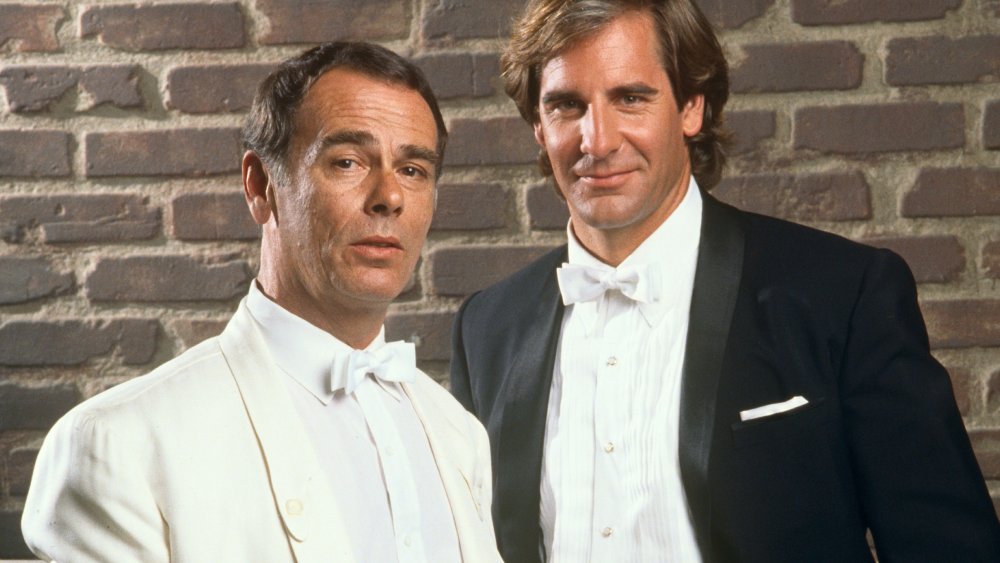
"Quantum Leap" was a near-perfect genre hybrid. The premise of Dr. Sam Beckett leaping through time — with only the holographic image of his buddy Al for support — is pure sci-fi. Yet the conceit that Sam could only move forward by fixing tragedies from the past meant that, from week to week, he could jump from crime thrillers to feel-good romances. As the show's intro so memorably repeated, "And so, Dr. Beckett finds himself leaping from life to life, striving to put right what once went wrong, and hoping each time that his next leap will be the leap home."
The series finale, "Mirror Image," begins with the shock of Sam realizing that he's leapt into his own body ... albeit, in an unfamiliar coal mining town in 1953. He chats with a bar owner, implied to be God, who asserts that throughout the series, Sam has unknowingly steered his own ship: He is the one who keeps trying to help people in the past, over and over, instead of going home. The bartender asks Sam if he's ready to finally have a normal life again, but he wants to first take one final leap — to prevent his friend Al's fateful divorce. He does this, changes the course of Al's life, and leaps again ...
... only for the screen to fade to black, as a caption proclaims that Sam never returned home. Thus, for all Sam's goodwill, he's still out there. Forever.
When Walt breaks bad, everyone else suffers
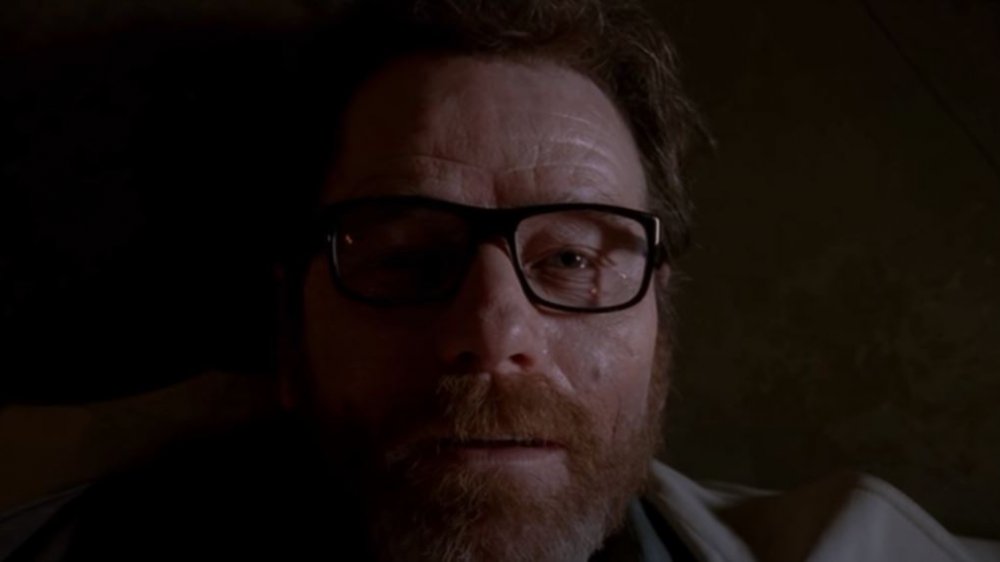
"Felina," the last episode of "Breaking Bad," might be the most satisfying TV finale of all time. Every question gets answered. Every loose thread gets tied into a knot. However, Jesse's big rescue aside, "Felina" is every bit as dark as the series that spawned it.
Seriously, think about it: What the finale proves, above all else, is that Walt's egotistical meth dealer routine, far from supporting his family, ended up fracturing the lives of every single person he knew and loved. Yes, poor Walt Jr. is going to get a hefty sum of money when he comes of age, but it's still blood money. It certainly won't undo the severe emotional trauma of finding out his beloved father was such a rotten guy. And yeah, sure, it's nice (and rewarding, as a viewer) that Walt managed to find it in himself to mount a big rescue mission for his former student-turned-meth-partner, Jesse. But this hardly redeems Walt's past actions, considering that he's directly responsible for Jesse having been caged up by neo-Nazis — sleeping on concrete, forced to make meth — in the first place.
One of the darkest, and best, moments of "Felina," though, is that strained final conversation Walt has with Skyler. During the talk, he finally admits that building his meth empire was never about his family: "I did it for me. I liked it. I was good at it. And I was really, I was alive."
Luke Cage ended on a disturbing cliffhanger
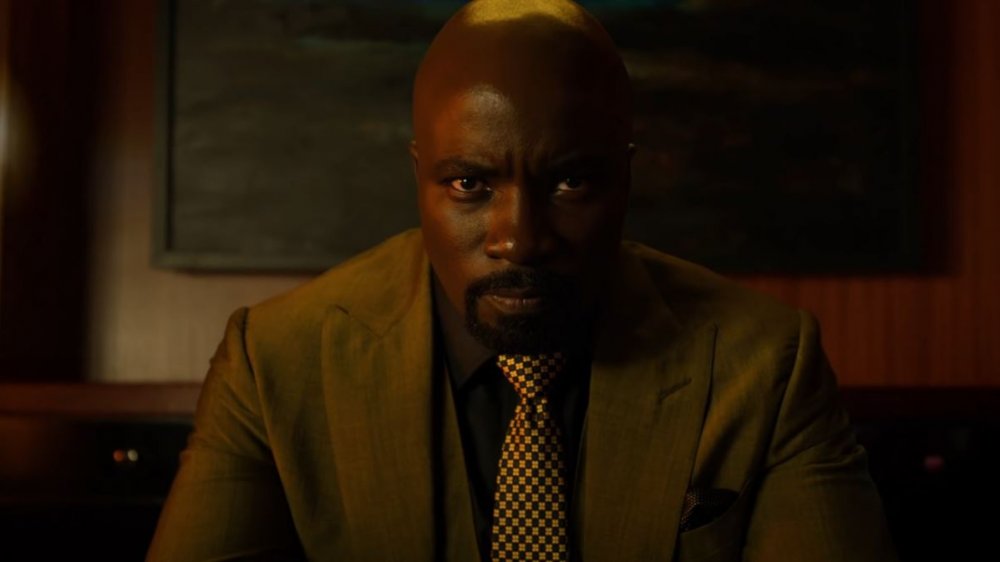
When it came to Netflix's dark corner of the Marvel Cinematic Universe, Luke Cage (Mike Colter) was easily the most well-meaning, honorable figure of the lot. Sure, he'd always claim that he wasn't heroic, but actions speak louder than words. Whether Luke was bouncing bullets off his chest or staring down bad guys with his impenetrably calm swagger, it's no wonder that Season 2 depicts him becoming widely recognized as "Harlem's hero."
Fame can go to your head, though, even if you're Luke Cage. And in the finale, when Luke's archenemy Mariah Dillard finally perishes, she has one last trick up her sleeve: She leaves her nightclub, Harlem's Paradise, in Luke's name. Luke essentially becomes the "good" crime boss of Harlem, and he believes that he can stay true to his morals even while exhibiting authoritarian tendencies. The episode's last moments, though, wherein a shockingly cold, all-too-collected Luke stares darkly at the camera, don't bode well for the future.
This disturbing cliffhanger promised a fascinating 3rd season. As showrunner Cheo Hodari Coker told The Hollywood Reporter, "I wanted at the very end of the season for people to really know this guy. I want them to think, 'Let me go all the way back to episode one and watch all 26 again.' We wanted a kind of twist that would make people do that." Then Netflix pulled the plug, leaving this culturally important series with a serious bummer of an ending.
Dinosaurs have been around forever, and they're not gonna just disappear, right?
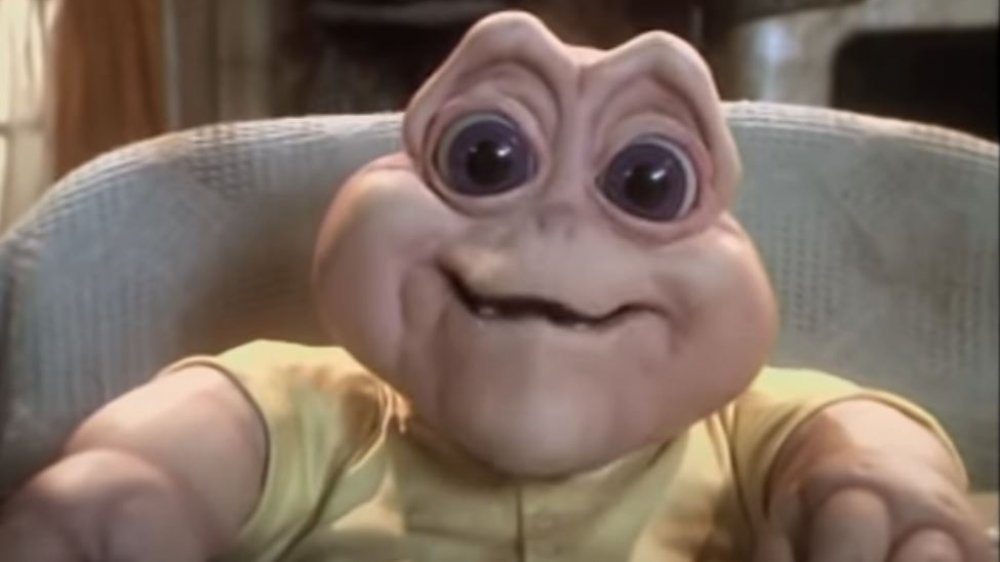
If, for some reason, you never saw "Dinosaurs," the Jim Henson Productions series, just know that it was a cheerful family sitcom, ala "The Simpsons," wherein a working-class family of anthropomorphic dinosaurs try to make a living, get by, and love each other. If you were one of the '90s kids who watched this show, though, you fully expected it to appear on this list. Why? Because while plenty of sitcoms end on a bittersweet note, there's only one where the doofus dad helps cause the mass extinction of his entire species. It's outright horrifying.
That finale, "Changing Nature," does make for a highly effective climate change allegory, however. It's subtle and powerful, never beating you over the head but nonetheless leaving you feeling incredibly sad. Series co-creator Michael Jacobs, recalling the finale years later, told Vulture that back when they first proposed the concept of killing everybody off, ABC balked, but after a moment of consideration, it couldn't really argue that it wasn't the right conclusion: "I said, 'Well, Ted, it's not the cast that we are trying to destroy, it's the entire world. My source for doing this is history!' He thought about it for about 30 seconds on the phone, in silence, and said, 'Okay.'"
Superman: The Animated Series turned its hero into the villain
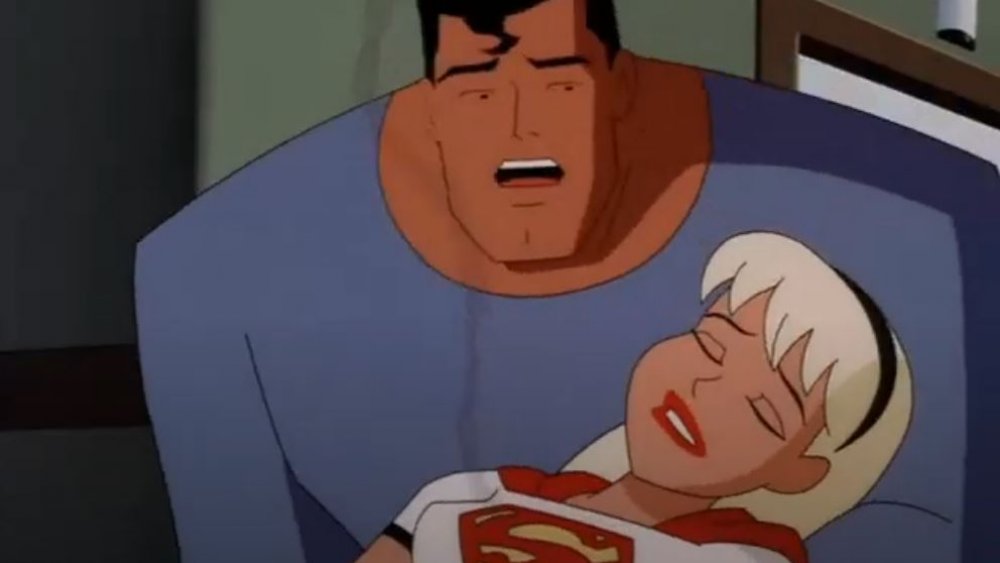
While "Superman: The Animated Series" was a quality cartoon, it never quite escaped the shadow of its more remarkable "Dark Deco" predecessor. However, while the Man of Steel's adventures could often seem lighthearted in comparison to those of his Gotham City counterpart — which is fitting, given the character — it's worth noting that Superman's finale left him hanging in an awfully disturbing predicament. The two-parter "Legacy" features a mysteriously brainwashed Kal-El, who has now become the adopted son of Darkseid and is waging war in his father's name.
Yikes. Needless to say, Superman recovers from this horrific turn of events and ends up delivering an unholy smack-down to Darkseid ... but the people of Earth aren't about to just forgive and forget that the all-powerful, red-caped alien threatened them. Thanks to Darkseid, Superman's reputation on Earth is severely damaged, to the point where even most of his trusted Earthling friends (other than Lois and Jimmy, of course) won't move to help him anymore.
And ... that's how it ends. Mic drop. Sadly, when the cartoon's continuity was continued in "Justice League," this plot thread was never revisited, and the latter series never explained why people were suddenly okay with Superman again.
Like it or not, Game of Thrones had a grisly finale
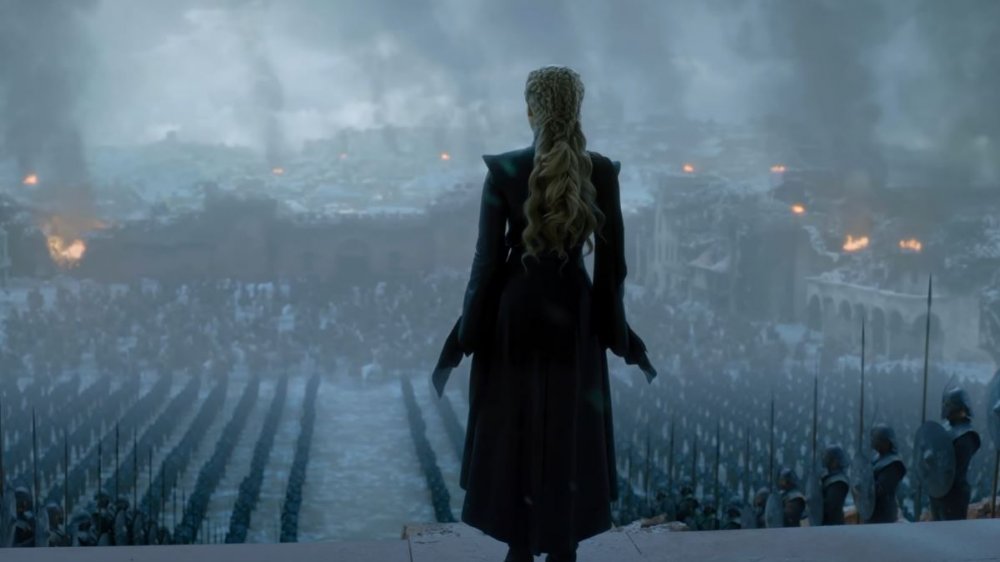
"Game of Thrones" was, arguably, the biggest TV show of the 2010s. Everyone watched it. Not everyone, though, was quite so thrilled with the finale. Frankly, calling the reaction "mixed" might be generous. Now, to be fair, some of the more controversial plot twists actually do fit the established narrative, particularly in regard to Daenerys. But the problem, as Vox points out, is that the showrunners were rushing through so fast that none of these moments land the way they're supposed to, and gradual character arcs are eschewed in favor of big shocks.
Whatever you might think of the finale, though, it's certainly dark as hell (not surprising for a show with so many epic deaths). For one, both of the show's biggest heroes get totally screwed, with one becoming a murderous tyrant while the other gets demoted back to square one. The smartest character makes the dumbest decisions, and a loyal right-hand man is reduced to a cruel and vengeful jerk. Even when the dust clears (literally), it's really hard to believe that Westeros won't continue to be a bloody, miserable place to live, with a revolving door of good and bad rulers. Particularly since, as pointed out by The Week, the series literally depicts all the wealthy aristocrats laughing at the concept of democracy. Sure, having Westeros become democratic would've been super-anachronistic, but still. In any case, at least Arya made out okay in the end. That's something.
David Banner never cured himself on The Incredible Hulk
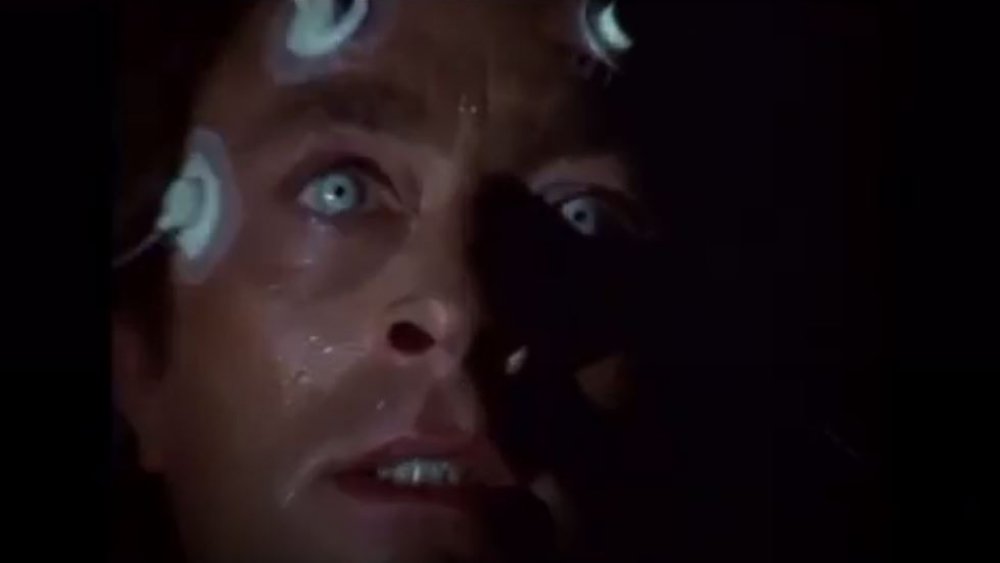
Now that Mark Ruffalo's Hulk is recognized as an honored member of the Avengers, it's easy to forget that most depictions of the green goliath are, at their heart, a tragedy. And frankly, superhero fiction doesn't get much sadder than the 1977 series "The Incredible Hulk." Watching Bill Bixby go hitchhiking at the end of every episode, with a backpack slung over his shoulder and the famous "Lonely Man" theme in the background, is perhaps the most depressing sight ever. And the series itself took great pains to depict Banner as a decent man plagued by horrible circumstances. For Bixby's David Banner, the Hulk wasn't a superhero but a big, green disease, and from week to week, his chief goal was to find a cure, clear his name, and live a normal life again.
Well, spoiler alert: Banner never gets a happy ending. The actual TV show ended anticlimactically with the episode "A Minor Problem," but thankfully, Banner's story continued in a number of TV movies. Not so thankfully, the last of those was titled "The Death of the Incredible Hulk," so you can guess how that went. In the end, Banner's kindness toward so many others goes unrewarded, he is never cured, and he dies after falling out of an airplane. Suddenly "The Lonely Man" is even sadder, right?
St. Elsewhere messed up the continuity of every TV show, ever

A medical drama set in a run-down Boston hospital, "St. Elsewhere" was known for its gritty, realistic, and serialized storylines. It's often cited as one of the most influential shows of the 20th century. "St. Elsewhere" also, as it happens, ended with the weirdest twist in television history.
It's hard to describe without getting knee-deep in the weeds, but basically, the final moments zoom out to reveal the show's hospital inside a tiny snow globe. A young boy on the autism spectrum, named Tommy, is staring into the globe, while his dad — who, in the series, was previously portrayed as a doctor — is actually a construction worker. In other words, the entire show had occurred in the imagination of that boy. None of it really happened. If you loved any of the characters, storylines, anything ... well, too bad.
Here's where it gets stranger, though. As famously pointed out by the late, great comic book writer Dwayne McDuffie, if "St. Elsewhere" was "just a dream," then so are a shocking number of fictional characters, because the show boasted a surprising number of TV crossovers. If you connect the dots, some other shows that all happened in Tommy's imagination include "Cheers," "Frasier," "Homicide," "Seinfeld," "The X-Files," and (oh no!) "The Fresh Prince of Bel-Air." Not horrified enough? According to one analysis by Polygon, this theory wipes out the Marvel Cinematic Universe, too.
The Sopranos left you hanging
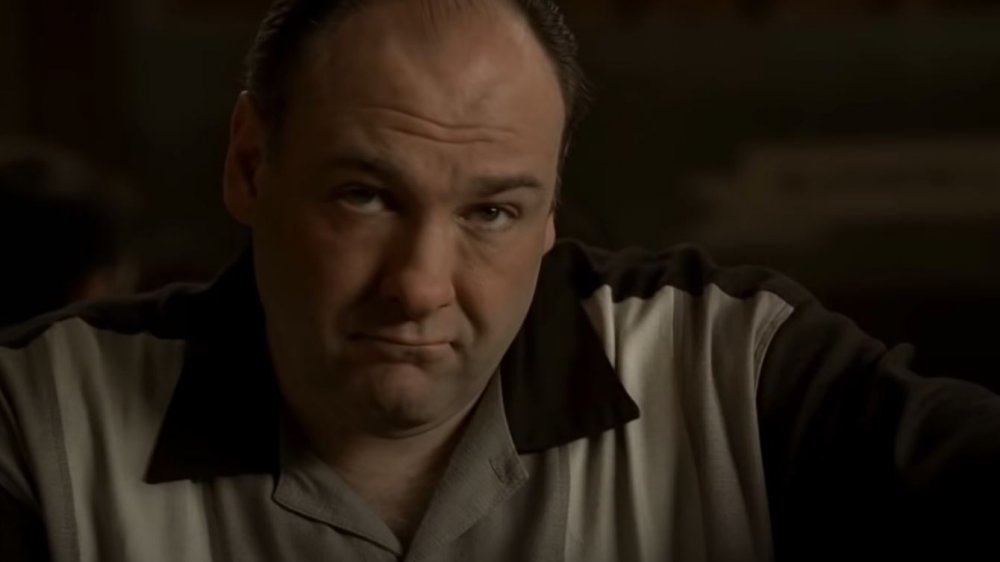
Ah, "The Sopranos." This is an obvious one, sure, but no list of darkest TV finales would ever be complete without it. Because, honestly, what's darker than leading the audience to believe something horrible and violent is going to befall the main character ... and then just fading to black, so you never get to know what happened? No wonder that one writer at Salon wondered, back when the episode came out, if creator David Chase was "brilliant for so thoroughly subverting our expectations, or ... is he just an a******?"
Though almost two decades have passed since "The Sopranos" ended, Chase clearly has no regrets about being so cruel to his audience. In a 2015 interview with the Directors Guild of America, he continued being ambiguous about whether Tony died, while admitting that the finale was more controversial than he expected: "I thought the ending would be somewhat jarring, sure. But not to the extent it was, and not a subject of such discussion."
You've got to give him credit, though. There's a reason people are still debating this ending today. But hey, don't worry about it. Just have some onion rings, and see what happens.
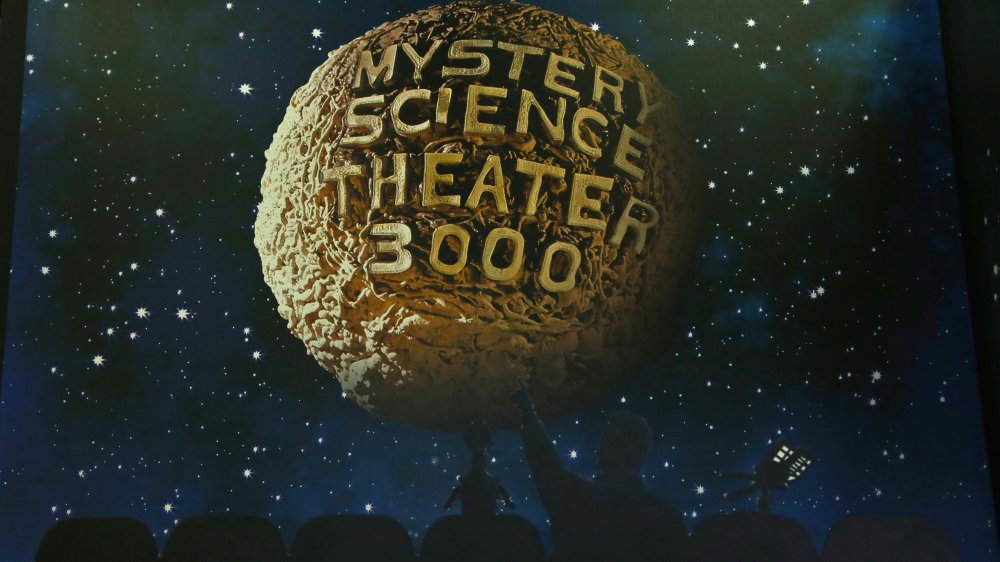
The uncomfortably bleak ending of Mystery Science Theater 3000
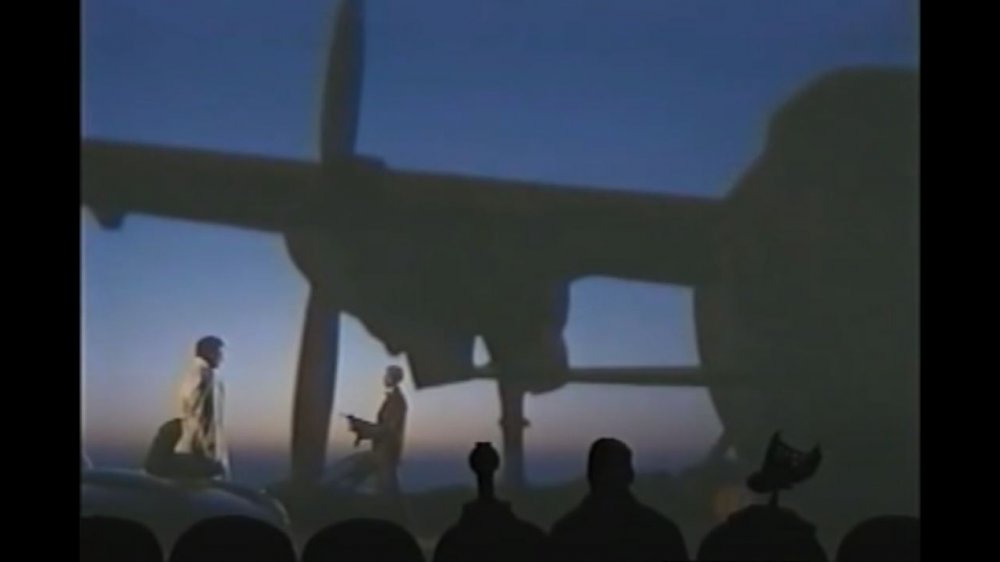
"Mystery Science Theater 3000" is about the most joyous television program ever made ... you know, as long as you didn't direct one of the horrible movies they eviscerated. For years, the program showed a human hostage (first Joel, then Mike) and his robot pals, Tom Servo and Crow, trapped on the Satellite of Love, biding their time by watching an endless stream of laughable B-movies. All good things must end, though, and 1999 marked the climax (or, technically, the end of the "Mike era," as the series was revived in 2017), with the episode "Danger: Diabolik," wherein the raucous trio finally escape from their space prison and crash-land on Earth. Free at last!
Lest you think that sounds like a happy ending, though, think again. Once Mike and the bots get settled, as noted, the finale flash-forwards to the future, where the three of them have rented a dark, crappy apartment together, where they spend their time ... uh, watching terrible B-movies. While this is certainly amusing, it also paints a rather desolate portrait of all these characters, as it implies they're never going to grow, evolve, or get out of their bubble. After all, why'd they spend so many years trying to escape the satellite, just to be stuck in an apartment, doing the exact same thing?
Ed, Edd n Eddy (originally) ended on a bitter note
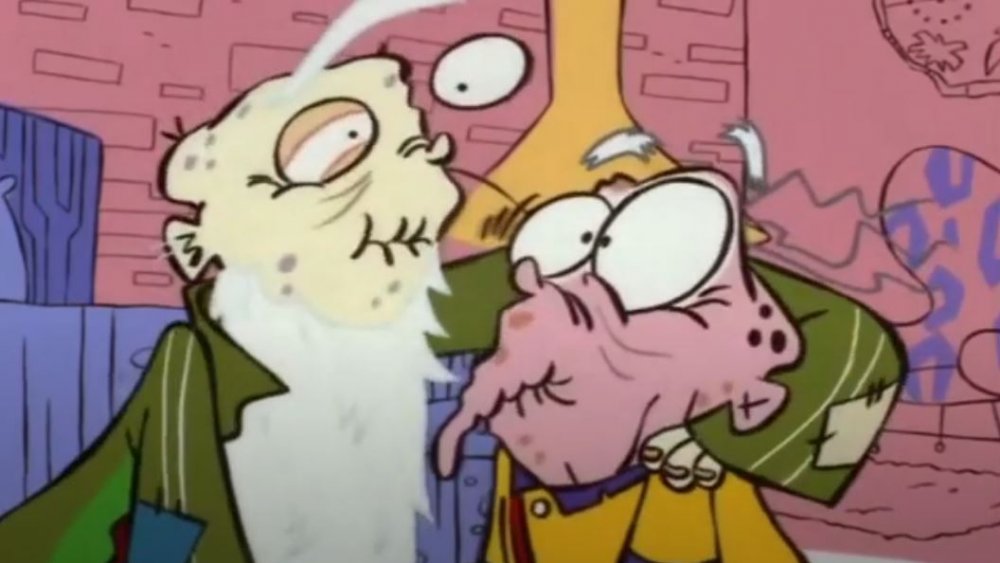
"Ed, Edd n Eddy" was always a cartoon that had a bit of a dark side. Sure, there's a lot of obvious youthful nostalgia in there, but the trio of Eds do feel rather isolated from their peers. And there's a lot of sadness to the character of Eddy — a braggadocious loser, always trying to scam others, who worships an older brother who clearly looks down on him. That depressing subtext hit the foreground in the show's original finale, "Take This Ed and Shove It." The episode begins like any other, but during the second part, Eddy gets hit on the head and awakens as a bitter old man who's spent the whole series remembering his lost youth. He spends the rest of the episode trying to escape his old age, but in the end, all he can do is accept his situation.
It's pretty depressing stuff, especially for a kid's cartoon. However, the show proved popular enough that it was revived, and an additional two seasons (plus TV specials) followed. Nonetheless, the fact that this episode was intended to be the last time anyone saw the Eds is definitely something of a shock.
The Shield's Strike Team paid the price
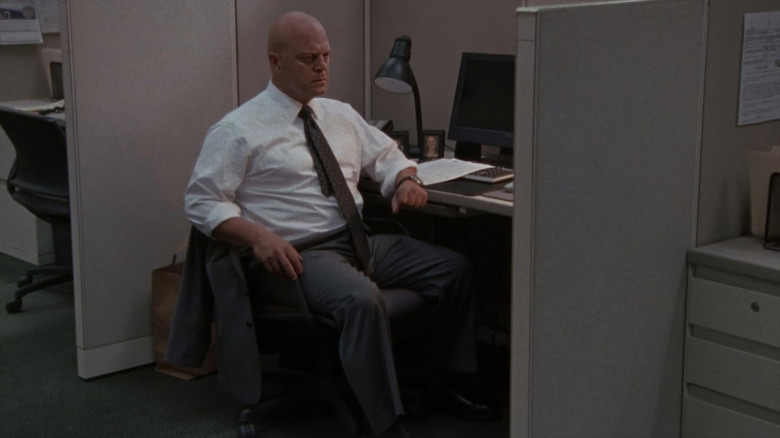
"The Shield" is a dark, foreboding antihero drama that follows corrupt cop Vic Mackey (played by Michael Chiklis) and his crew as they police the streets of L.A. — their way. In a show where the cops are often worse than the criminals, Vic's Strike Team — Shane Vendrell (Walton Goggins), Curtis "Lemonhead" Lemansky (Kenny Johnson) and Ronnie Gardocki (David Rees Snell) — blurred the lines between the two. Yet the series finale was particularly stark. Shane, on the run and desperate, dies by suicide. Viewers then see the bodies of his son and pregnant wife laid out on a bed and learn that he killed them first. Ronnie winds up getting arrested, framed for Vic's crimes, while Vic cuts an immunity deal that sends him and his family into the witness protection program — and lands him a boring desk job.
Having avoided both death and prison, Vic has won — or has he? In the series' final scene, Vic is seen in the tiny cubicle where he will spend the rest of his professional life. The alpha predator is caged, and Chiklis' expression combines panic, terror, and bewilderment. Then, he pulls a gun from his desk drawer, tucks it in his belt, and exits — ending the series on a note of ambiguity. "He certainly pays a price," series creator Shawn Ryan told TV Guide. "Some people will think that price is too high and some will think it's too low ... I wouldn't call it a victory."
Jax found 'peace' on Sons of Anarchy
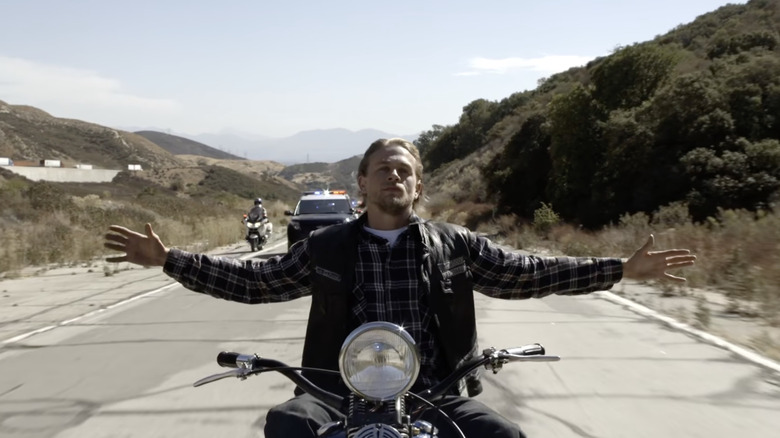
Unapologetically gritty, "Sons of Anarchy" told the pseudo-Shakespearean saga of a California motorcycle gang, focusing on Jax Teller (Charlie Hunnam), whose late father had founded the organization. In the series-ending episode, he ties up loose ends and sends his sons off with kind-hearted Nero (Jimmy Smits), taking desperate measures to break the cycle. "I need you to promise to make sure my boys leave this place," he tells Nero. "So they don't become what I've become."
With an APB out for him, he deliberately draws the attention of the cops, driving his bike down a California highway as he's followed by an increasing number of police motorcycles and patrol cars. Finally, he lifts his hands from the handlebars and extends his arms outward, in a Christ-like pose. Calmly, he closes his eyes, the camera cutting away just as he's about to smash head-on into an oncoming tractor-trailer (driven by Michael Chiklis of "The Shield"). "We had the conversations, and not to be morbid, but I think the example I used was the idea of someone that's struggling or in a manic state or depressed or heavy hearted, that when they make that decision to end it in some way that there is a certain amount of peace that falls over them," series creator Kurt Sutter told Entertainment Weekly of Jax's fatal end, one of many highly controversial TV moments. "They're no longer burdened by whatever it is they're burdened by."
Veep left you wondering what it was all for

Over the course of seven seasons, the political journey of Vice President Selina Meyer (Julia Louis-Dreyfus) plays out as a seemingly endless series of humiliations. When the president resigns in the 3rd season, she finally finds herself in the job she'd been coveting for all those years: America's first female president. Yet being appointed isn't the same as being elected. In the series finale, she actually wins the job after a hard-fought election that demonstrates just how cutthroat she can be, ruthlessly selling out everyone close to her, bowing to pressure and selecting jerk supreme Jonah Ryan (Timothy Simons) as her running mate, and ratting out her loyal bagman Gary (Tony Hale) to the FBI as the fall guy for her Meyer Fund financial shenanigans. A time jump to six months later shows her as president, followed by another — this one 24 years in the future at her funeral.
Held at the Selina Meyer Presidential Library, the funeral is a sparsely attended affair, marked by an array of empty seats. The only real mourner, surprisingly, is Gary, despite her having thrown him to the wolves. A news report eulogizes Selina, revealing a complicated legacy that includes permanently banning same-sex marriage. In the series' final moments, that news is interrupted by news that Tom Hanks has also died, with tributes to the beloved actor overshadowing all mention of Selina.
Roseanne got bleak (and wacky)
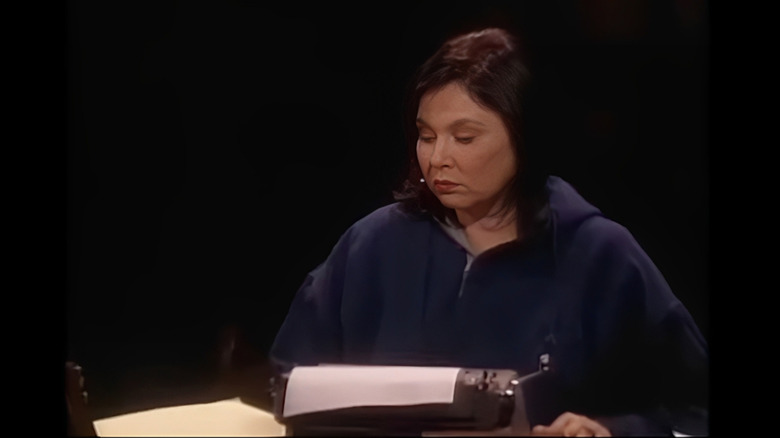
During its nine-season run on ABC, "Roseanne" revolutionized the TV sitcom by depicting the hardscrabble life of the Conners, a blue-collar Illinois family struggling to make ends meet. A major hit, the show took a dark turn at the end of the eighth season when Dan Conner (John Goodman) suffers a heart attack and nearly dies. Then, the 9th season begins with Roseanne (Roseanne Barr) and her family winning $100 million in a lottery.
That sent the show spinning off into weird flights of fancy as the nouveau riche Conners begin to live the good life. This resulted in some downright bizarre storylines, including parodies of other TV shows, Roseanne taking out terrorists on a train, and television executives trying to buy the rights to her life story. There was even a "Rosemary's Baby" spoof in the form of a dream sequence revealing "Absolutely Fabulous" Patsy (Joanna Lumley) and Edina (Jennifer Saunders) to be members of a Satanic cult.
It all became clear in the final moments of the series finale, depicting Roseanne behind a typewriter, with viewers discovering the entire season was fantasy. Dan's heart attack actually was fatal, and the entire final season was Roseanne rewriting history as her way of coping with her husband's death. When "Roseanne" was revived 20 years later, Dan was still kicking, with the writers wisely choosing to conveniently ignore that trainwreck of a 9th season.
Blackadder Goes Forth ended in devastation
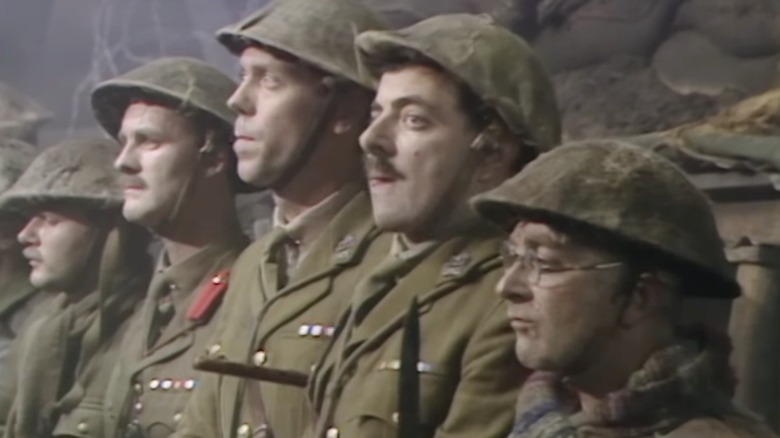
British comedy "Blackadder" boasted one of the most unique concepts in television, with the same actors playing essentially the same characters in different historical eras. The first season placed Edmund Blackadder (Rowan Atkinson) and faithful flunky Baldrick (Tony Robinson) in medieval England, with the subsequent two seasons set during the reign of Queen Elizabeth I and the Georgian era, respectively. The final season, "Blackadder Goes Forth," placed the characters in the trenches during the First World War, with Captain Blackadder hatching a series of cunning plans (all of which implode spectacularly) to get himself away from the front.
In the final episode, Blackadder and his men are ordered to participate in the "big push," a last-gasp suicide mission to advance against the German Army. Blackadder's attempts to feign insanity in order to avoid certain death fall flat, and the series ends with a devastating tone shift as the characters leap out of the trench to make a futile, fatal charge into No Man's Land, seen in slow motion. The camera then fades out from the smoke-filled battlefield to the same field, decades later, now a tranquil meadow full of poppies.
"I just cried, partly because it was so beautifully done, as well done as any scene like that in a drama," actor Tim McInnerey, who played Captain Darling, recalled in a documentary about the series, "The Whole Rotten Saga." "I thought it was absolutely brilliantly done, and I thought it was kind of groundbreaking for comedy," he later added.
The Americans concluded with tragedy on the horizon
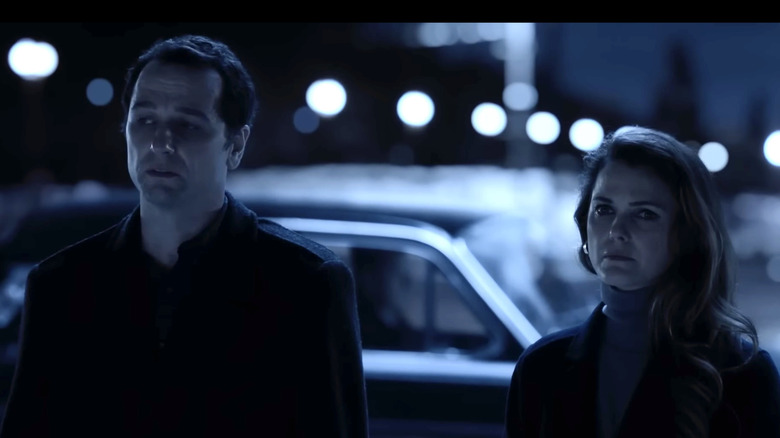
"The Americans" presented viewers with the ultimate antiheroes in Philip and Elizabeth Jennings (Matthew Rhys and Keri Russell). The middle-class suburban couple lived in Washington, D.C., but were secretly working for the KGB — undercover Soviet spies planted in the U.S. decades earlier as sleeper agents. Strangers when they married, the two feigned a relationship that became real over the years as they raised two children and spied for Mother Russia.
As the series drew to its conclusion, they ultimately became compromised. Forced to board a train to Canada, they make their way to Moscow, their children remaining in the U.S. while they return to a homeland they no longer recognize. In the final scene, the two look out in the darkness, observing the lights of Moscow, wondering what their lives would have been like had they not been recruited by the KGB. "I probably would have worked in a factory," Jennings observes.
Speaking about the finale with The Hollywood Reporter, showrunner Joel Fields explained why that final scene was even more devastating for the couple. Tragically, they don't realize that the Soviet Union is teetering on the brink of collapse, and all the sacrifices they've made have ultimately been for nothing. "As they stand there looking over Moscow in the end, they've got no sense that the Soviet Union will ever fall," he said. "They're back behind the Iron Curtain, and their children are on the other side. That's pretty tragic to us."
Six Feet Under was fittingly morbid
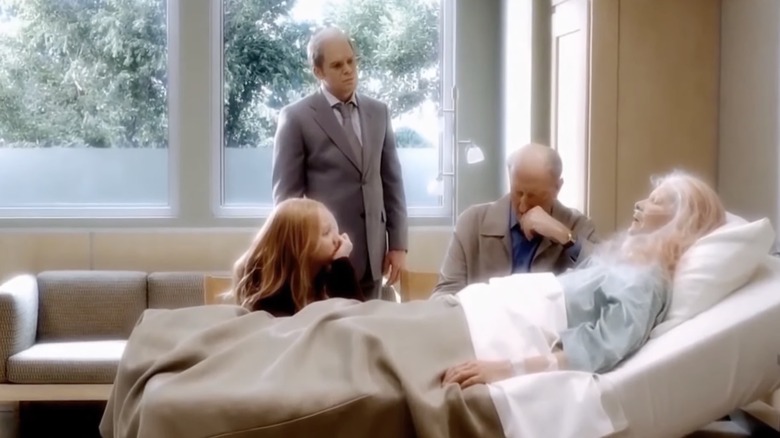
"Six Feet Under" was a drama permeated by dark comedy. The story followed the Fishers and their family-fun funeral home, and the finale was fitting for a series about human mortality. In the final scene, the youngest Fisher sibling, Claire (Lauren Ambrose), is seen driving off to begin her life, weeping as she says goodbye to her family. The scene changes to a hospital room, where she and her brother, David (Michael C. Hall), look older. They assemble around their mother, Ruth, unconscious on a hospital bed when she draws her final breath in 2025.
Then, viewers witness a montage of the other character's deaths. David's husband, Keith, is shot to death by thieves while exiting an armored vehicle with bags of cash in 2029, while David apparently suffers a fatal heart attack during a family gathering in 2044. Finally, Claire — now a very elderly woman — dies in her bed in 2085.
According to series creator Alan Ball, the death of Nate (Peter Krause) a few episodes before the finale sparked the idea for what would become an iconically dark series finale. "Somebody said, 'We should just kill everybody,'" Ball told Vulture, recalling the suggestion was initially met with laughter. "And then whoever it was said, 'No, I'm serious. We should jump ahead in time and see everybody at the moment of their death.' At which point I went, 'Of course.' I mean, that's the perfect way to end this show. How else could you do it?"
How I Met Your Mother went controversially dark
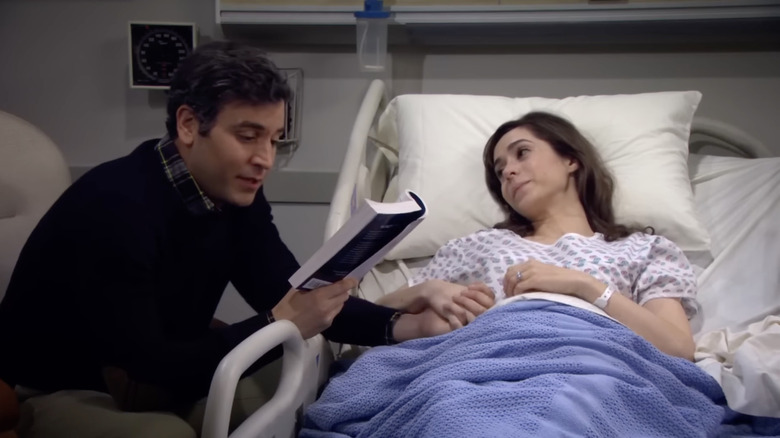
The sitcom "How I Met Your Mother" featured Ted Mosby (voiced by Bob Saget) recounting to his kids the nine-season saga of how his younger self (played by Josh Radnor) met their mother. In the last season, viewers met the titular mother, Tracy McConnell (Cristin Milioti), but the series finale held a huge — and hugely depressing — reveal: She was dead and had been for six years after succumbing to some unspecified illness.
Ending the beloved sitcom on a complete bummer outraged fans, who couldn't believe "HIMYM" had ended on such a dark note. Series creators Craig Thomas and Carter Bays were hit with a tsunami of social media backlash by viewers who felt betrayed. A decade later, Thomas defended the decision to not give the characters the happily-ever-after ending viewers desired. "I look back on it, and I look at the ending as an exploration of the fact that no matter how much Ted Mosby wanted to plan everything in life, it was never going to go according to plan," he told People. "But if you go through life with an open heart, you can find a new plan in the end. And you can find love and be supported and lifted up at your lowest moments, even if things didn't go according to your plan that you made when you were young. And that there are other chapters that you can't see until you were in it, that's what that means to me."
Two and a Half Men went over the top
When Charlie Sheen's infamous flameout led to his 2011 firing from "Two and a Half Men," he was television's highest-paid actor, earning a reported $1.8 million per episode (before Sheen lost his money). He was replaced by Ashton Kutcher, and the show soldiered on for four more seasons before coming to an end. The final season opened with Charlie Harper's funeral, revealing he'd run off to Paris to get married. When his intended caught him cheating, she pushed him in front of a speeding subway train.
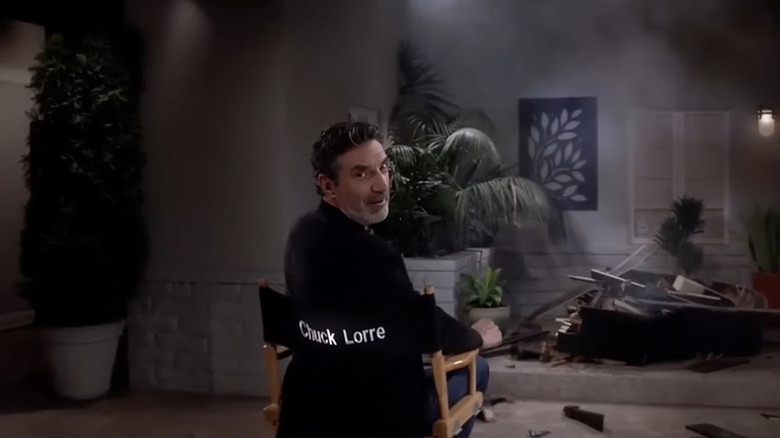
The series finale, however, revealed that he was actually alive. Suddenly, Charlie (played by a Sheen lookalike, shot from the back) arrives on the porch of his former home and rings the doorbell. At that moment, a piano crashes down on top of him, Wile E. Coyote style. The camera pans out to show series creator Chuck Lorre sitting in a director's chair. He turns to the camera and repeats Sheen's catchphrase, "Winning" — only for another piano to smash down on him.
In his customary title card at the episode's end, Lorre revealed Sheen had actually been approached to reprise his role for the finale. The actor would have delivered "a maniacal rant about the dangers of drug abuse" before insisting those rules didn't apply to him because he was an invincible "ninja warrior from Mars" — at which point a piano would fall on him. "We thought it was funny," Lorre wrote. "He didn't."
M*A*S*H was poignantly depressing
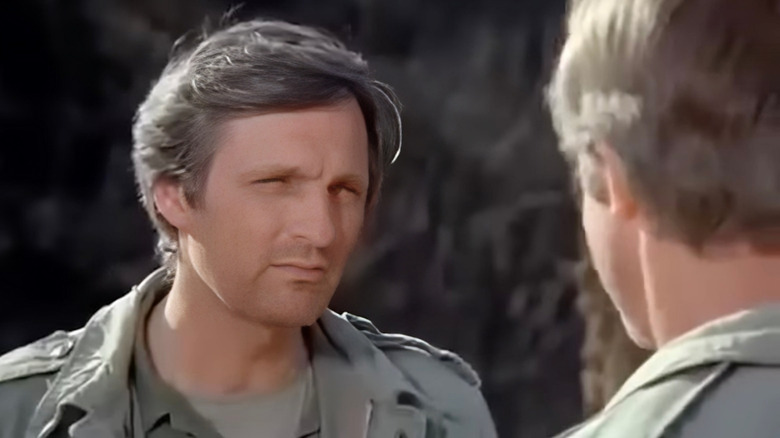
When "M*A*S*H" ended its run after 11 seasons, the series set during the Korean War had lasted eight years longer than the actual conflict, earning it a place on the list of TV shows historians absolutely hate. Yet the show's success cannot be overstated. The series finale, "Goodbye, Farewell and Amen," was watched by a record-breaking 125 million, becoming the most-watched episode of scripted television ever.
Yet the episode was stunning in its bleakness. Wisecracking surgeon Hawkeye Pierce (Alan Alda) had experienced a breakdown and was undergoing treatment in a psychiatric facility. During his therapy sessions, Hawkeye recalls a fraught incident on a bus alongside South Korean villagers, including a woman with a live chicken. When Chinese soldiers were in the vicinity, everyone on the bus had to remain stone-silent to evade detection, forcing the woman to smother her squawking chicken. Over the course of more sessions, Hawkeye finally confronts the horrific truth he'd been hiding from himself: It wasn't a chicken that the woman smothered, but her own crying baby.
While the episode was certainly dark, Alda would not have had it any other way. "I was looking for stories, each in a different way, that showed how everybody left the war with a wound of some kind," he told The New York Times. "Everybody had something taken from them. And Hawkeye was just one of them."
If you or someone you know is struggling or in crisis, help is available. Call or text 988 or chat 988lifeline.org.