

Youngest People Ever On The FBI's Most Wanted List
We like to think that the FBI's "Most Wanted" list is mostly populated by the hardened criminal. You know, the sort of person who commits misdemeanors for 10 or 15 years before robbing a bank, killing a couple bystanders, and fleeing to Mexico, where they remain at large for decades. It's hard to get your mind around the idea that kids and young adults can be hardened criminals, too.
While it's definitely not as common as the stereotypical middle-aged crime boss and the career criminal-turned-outlaw, people as young as 18 are perfectly capable of committing crimes heinous enough to get the FBI's attention. And while we may not enjoy thinking about it, it's probably not a terrible idea to acknowledge that criminals come in all shapes, sizes, genders, and ages. In other words, you can't trust anyone, no matter how innocent they look. Here are some of the youngest people to ever make the FBI's "Most Wanted" list.
Alejandro Rosales Castillo
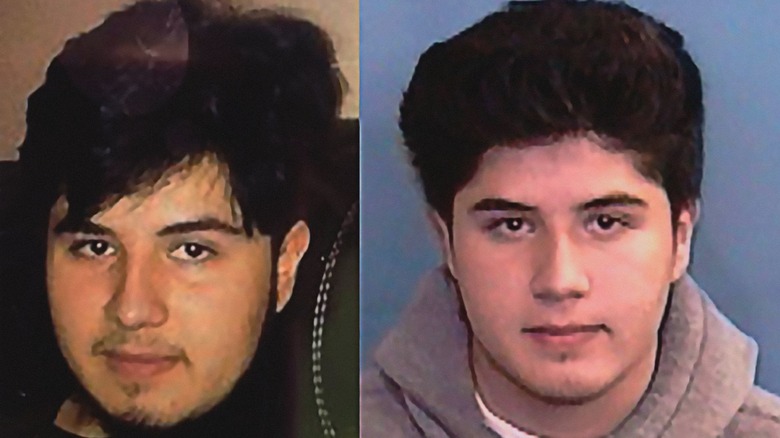
In 2016, Sandy Le loaned $1,000 to 17-year-old Alejandro Rosales Castillo, her former co-worker at a Charlotte, North Carolina restaurant. Her body was found in a creek a little more than a week after Castillo promised to repay the $1,000 she'd loaned him. Castillo had allegedly asked her to meet him at a gas station late at night before he killed her.
According to the FBI, Castillo was later spotted crossing the border into Mexico. His girlfriend, who was thought to be an accessory to the crime, apparently decided she really didn't want to live in Mexico forever on whatever money they managed to get out of a 23-year-old's bank account and turned herself in to authorities. When police failed to capture Castillo, they put him on the "10 Most Wanted" list, giving him the dubious distinction of being one of the youngest people to ever end up there.
Jesse James Hollywood
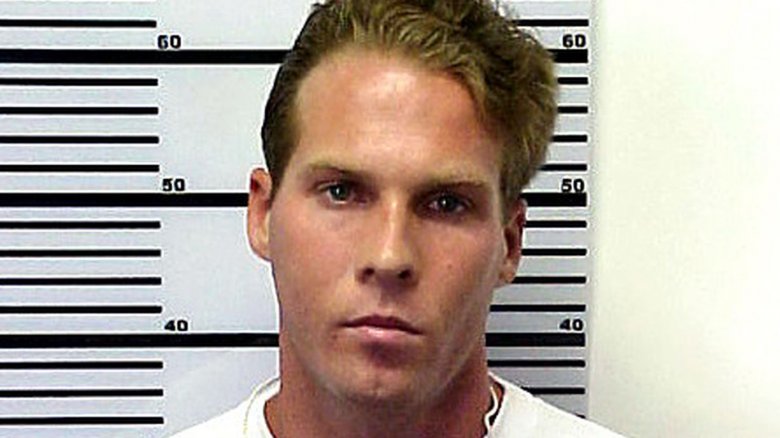
If you have a name like Jesse James Hollywood, you're destined to be either a criminal, an actor, or possibly a guy who herds cattle with a helicopter. This particular Jesse James Hollywood went with the first option. Specifically, he became a drug kingpin with a whole posse of people helping him sell his illicit products, most of whom owed him money.
Ben Markowitz owed Hollywood $1,200 that he didn't feel particularly obliged to pay. Hoping to settle the score, Hollywood and his crew kidnapped Markowitz's brother, 15-year-old Nick, in August 2000. They held him for two bizarre days, during which time he played video games and went to a pool party. But then Hollywood got nervous about the whole "consequences" thing, so he asked one of his cronies to take Markowitz out to a remote location and shoot him.
But Hollywood sort of failed to think it all through. During the strange two-day abduction, Nick had been seen by a lot of people. After his body was discovered, pretty much everyone knew who was responsible for killing him. The police arrested the triggerman, but 21-year-old Hollywood disappeared and was put on the FBI's "Most Wanted" list. He fled to Brazil, where he lived for five years until authorities tracked him down, mostly because his parents had been calling him and sending him money so he could live forever free from justice. Great parenting, Mr. and Mrs. Hollywood.
Juan Elias Garcia
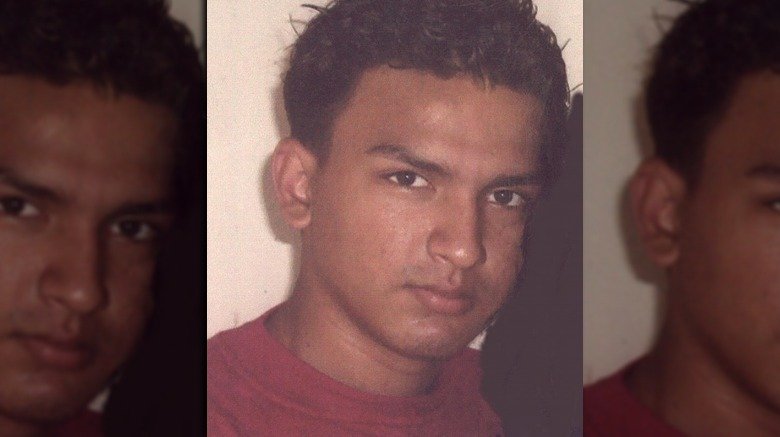
These stories are all pretty horrible, but nothing is quite as sickening as the murder of a small child and his mother. In February 2010, 17-year-old MS-13 member Juan Elias Garcia killed his 19-year-old ex-girlfriend Vanessa Argueta and her 2-year-old son. His reason? Well, the two had argued, and afterward he was threatened by members of the rival gang she had ties to. So he decided to anger them even more by killing her, which seems like the exact wrong course, but okay. Anyway, Garcia invited Argueta to dinner but then drove her and her son to a wooded area and shot her in the head. He then allowed a fellow gang member to shoot the 2-year-old, because 2-year-olds make really awesome witnesses in court.
Garcia fled to Nicaragua, but it wasn't until 2014, when he was 21, that the FBI finally decided to put him on its "10 Most Wanted" list. Just two days after his picture started appearing on wanted posters all over the world, he turned himself in and was extradited to the United States, where he pleaded guilty and was sentenced to life in prison.
Malcolm Lorenzo Jones
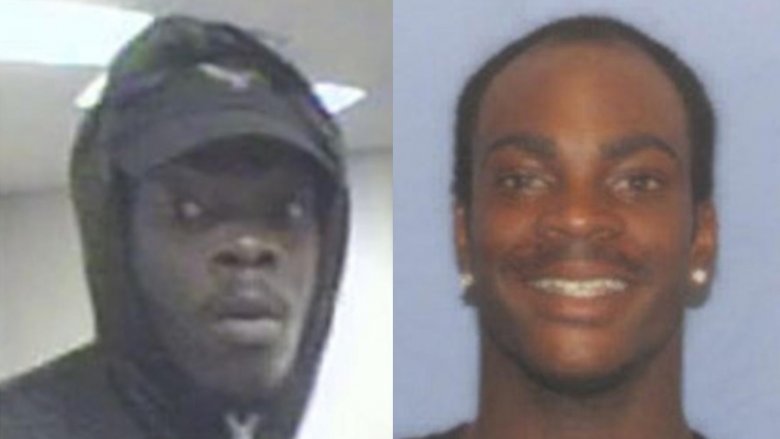
Twenty-one-year-old Malcolm Lorenzo Jones made the FBI's Most Wanted list for a good old-fashioned bank robbery. On May 22, 2017, Lorenzo walked into a bank wearing a black hoodie and then pulled out a handgun and told everyone to get on the floor. A teller was in the process of emptying a cash drawer for him when he opened a door to let in his brother, who also wanted to be a bank robber. But then oops, Lorenzo accidentally left the door unlocked, and an off-duty police officer came inside.
Lorenzo stuffed the cash in his pockets because evidently he forgot to bring a bag. In walked this off-duty police officer, who pulled his gun. The two exchanged fire, and then Lorenzo and his brother escaped through the front door, dropping $2,700 of the $6,700 they were trying to steal, mostly because of the lack of a bag. Shortly after the robbery, Lorenzo was placed on the FBI's "Most Wanted" list, and he was captured a few months later after DNA and fingerprint evidence linked him to the crime.
Katherine Ann Power
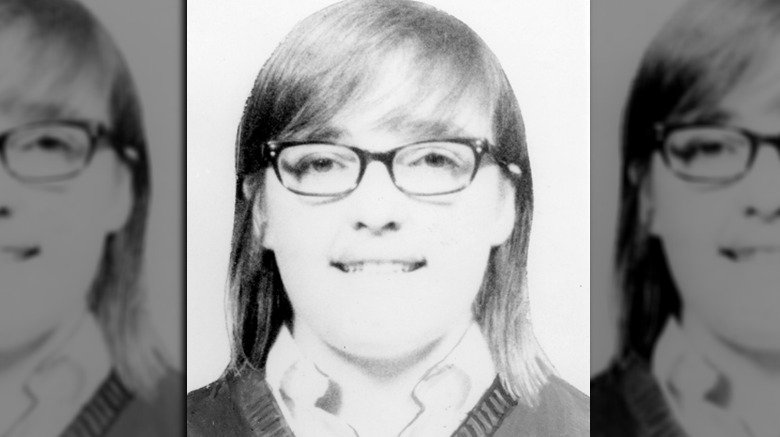
More than 500 people have been placed on the FBI's "10 Most Wanted" list since it first became a thing back in 1950. The vast majority of those people have been male — the number of women on the FBI's "10 Most Wanted" list didn't even hit double digits until 2016.
In 1970, an anti-war activist named Katherine Ann Power, her roommate, and three male friends robbed a National Guard armory and bank because screw the Vietnam War. The quintet had hoped to use the money, which amounted to about $26,000, to buy arms for the Black Panthers. But things went horribly wrong, and the group was thwarted by a police officer named Walter Schroeder. As 21-year-old Power sat in the getaway car, one of her co-conspirators shot Schroeder in the back so the group could escape.
The three men were arrested a couple days later, but Power and her roommate, Susan Saxe, vanished and were placed on the FBI's "10 Most Wanted" list. Power remained at large for 23 years. She changed her name, moved to Oregon, opened a restaurant, got married, and became a mother. But she was haunted by the memory of her crime and ultimately decided to turn herself in. In 1993, she pleaded guilty to charges of manslaughter and armed robbery, was sentenced to prison, and served six years of an 8- to 12-year sentence.
Susan Saxe
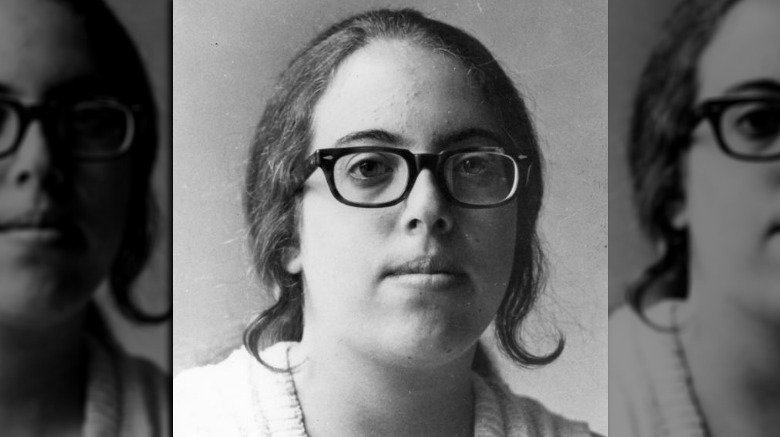
Susan Saxe was the roommate of Katherine Power and was accused of the same crime. She was on the run, too, but only stayed ahead of police for five years. By the time Katherine Power turned herself in, Saxe had already served time in prison for the crime and was living as a free woman. In fact, while in prison in the early 1980s, Saxe also ran a successful computer company.
A 1975 article in The New York Times said that in the first years after their crime, Saxe and Power were able to avoid authorities with the help of some people "within the women's movement." This does sort of sound like something a newspaper would say in the '70s, back when law-abiding citizens never did things like ask for equal rights and better pay. Saxe was living in Philadelphia and evidently walking around the city's downtown when a police officer recognized her from an FBI photograph and arrested her. She served seven years of a 12- to 14-year sentence and was released in 1982. After Saxe was paroled, she went back to Philadelphia and got a job working for a Jewish charity.
Ollie Gene Embry
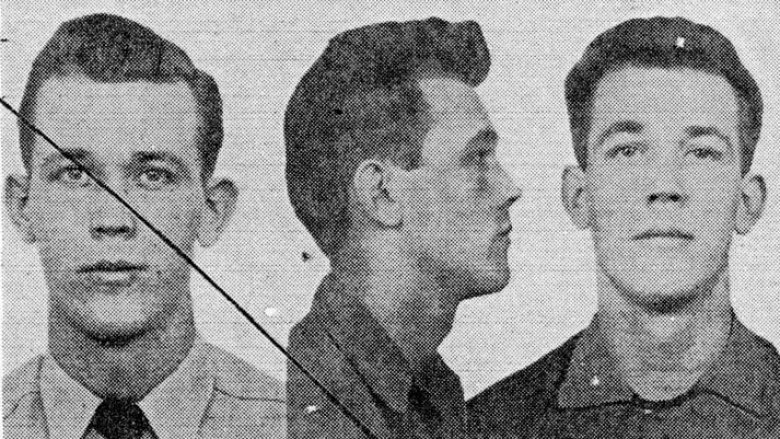
The "10 Most Wanted" list was barely a toddler when Ollie Gene Embry landed there in 1951 for the blissfully simple crime of robbing a bank. Embry and three friends took just over $8,000, so they at least did better than Malcolm Lorenzo Jones, and they probably remembered to bring a bag, too. His co-conspirators were captured shortly after the crime, but Embry stayed at large for several months, until just after he was placed on the FBI's "10 Most Wanted" list at the age of 22.
The FBI said Embry was apprehended after a citizen saw his picture on a wanted poster in the post office and recognized him as a gas station attendant. So, yes, standing around bored in line at the post office is your civic duty. According to the Seminole Producer, when Embry was caught, he was "armed only with a wiping rag," so evidently $8,000 didn't go very far even in the 1950s.
David Fine
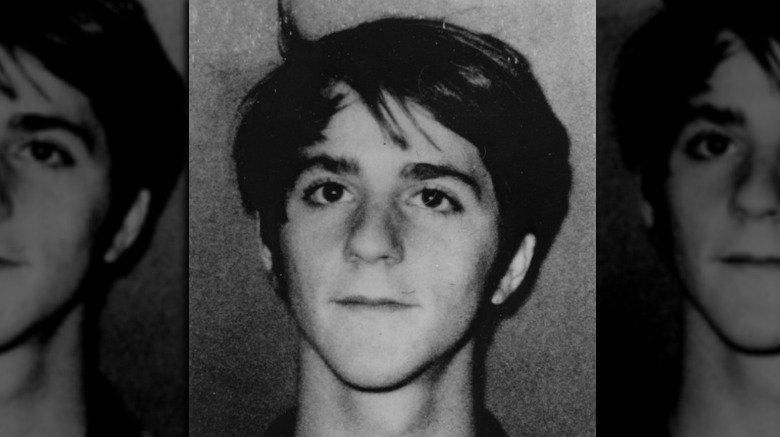
When modern teenagers want to make a political statement, they organize school walkouts, write to their senators, and use social media to get advertisers to boycott television personalities. Most recognize that blowing stuff up is not really a great way to make a political statement unless your goal is to gather firsthand knowledge about the nutritional content of prison food. But in September 1970, 18-year-old David Fine and some friends decided to blow up the Sterling Hall mathematics building at the University of Wisconsin.
The hall was targeted because the U.S. was still in Vietnam, and some of Sterling Hall's projects were contracted by the Army. Fine and his friends, who were suspected members of the radical Weather Underground movement (not to be confused with the strictly meteorological service of the same name), blew up the building just before 4 a.m., thinking no one in their right mind could possibly be working that late. They were wrong, of course, and the blast ended up killing researcher and father of three Robert Fassnacht. When Fine and his co-conspirators heard someone had been killed, they went on the run, and the FBI put them on the "10 Most Wanted" list. Fine lived as a fugitive for more than five years until someone spotted him living in California and tipped off the feds.
Dwight Armstrong
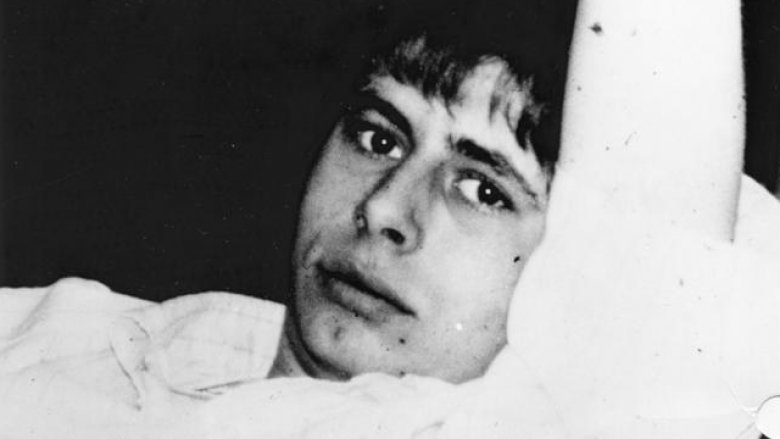
The Sterling Hall bombing was the worst incident of domestic terrorism until the 1995 Oklahoma City bombing. Including David Fine, there were a total of four men involved, and 19-year-old Dwight Armstrong was the younger brother of ringleader Karleton Armstrong. According to the Wisconsin State Journal, Dwight was "swept up in the anti-war movement" by his brother. Still, at 19 you ought to know better, but the men were all convinced that destructive action was the only way to get the government's attention. It did, but probably not in the way they intended.
Dwight Armstrong joined his co-conspirators on the FBI's "Most Wanted" list when he fled with his brother, Fine, and a fourth conspirator named Leo Burt. Dwight Armstrong remained on the run for almost seven years and was eventually apprehended in Toronto. His sentence was pretty light, really — he served three years in prison and was paroled, and all that time he was probably thinking, "Man, if I'd just turned myself in back in 1970, I'd be done with all this by now." After another run-in with the law, he eventually became a cab driver and lived happily ever after. His brother, incidentally, went on to become the successful owner of a sandwich shop and juice bar, so yes, you can blow up an entire building and still lead a happy, productive life.
Leo Burt
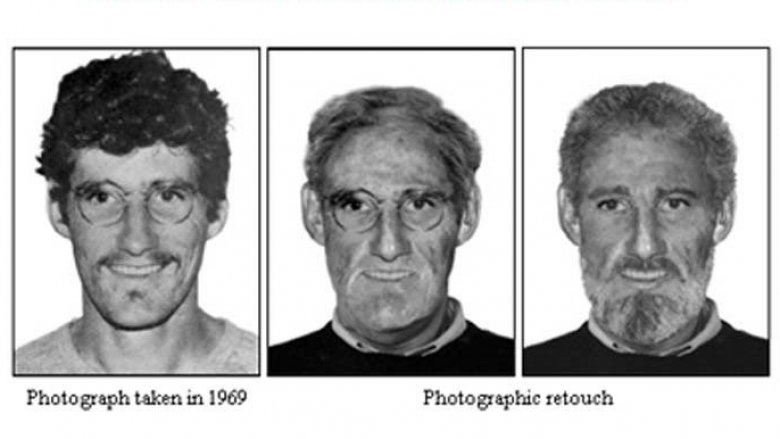
The fourth co-conspirator in the Sterling Hall bombing was Leo Burt, who was radicalized after a police officer beat him while he was covering the protests that followed the killings at Kent State University. Generally speaking, getting beaten by a police officer is high on the list of things that will make people angry, but Burt kind of went a little overboard when he decided that the correct response was blowing up a building.
Leo Burt — who was around 22 at the time of the bombing — helped gather the supplies and set up the bomb. After the explosion, he fled with David Fine to Ontario, Canada. The two were spotted at a university residence in Peterborough, but they seem to have been tipped off somehow because they jumped out a window and ran before the police were able to get a warrant and arrest them.
As of 2025, Leo Burt still hasn't been caught, though he is no longer on the FBI's "10 Most Wanted" list. At this point, it seems likely that we'll never find out what happened to him. Or he'll tell someone on his deathbed, and then lie back and smile because after all those years, he'll finally know for sure he got away with it.
Joseph Franklin Bent
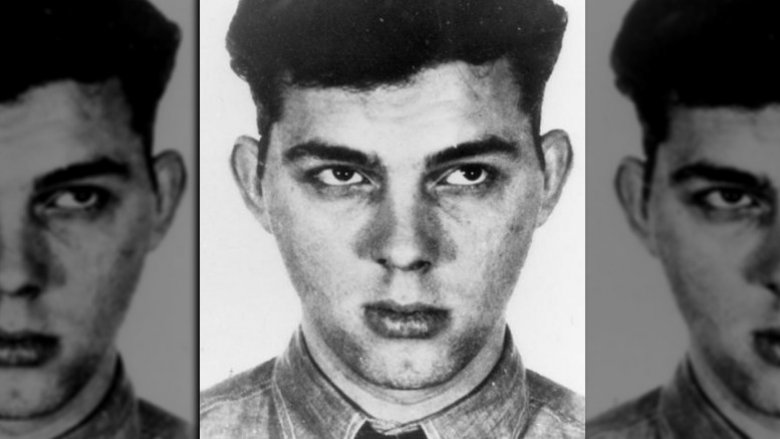
Another early pioneer of the FBI's "10 Most Wanted" list was 23-year-old Joseph Franklin Bent, who was described in 1951 by the Associated Press as a "hardened holdup man" who had once been in the Army and turned to crime because of reasons. His MO was robbing stores, and his career dated all the way back to his U.S. Army days when he robbed a post office substation in Colorado, which is exactly why he was discharged from the military. He'd robbed so many different establishments, in fact, that at one point police thought he was three different people.
Bent's life in crime continued until he was captured in 1950. That time he escaped, and shortly thereafter he found himself on the "10 Most Wanted" list. We're guessing he probably wasn't super pleased about the poster because it made him look seriously creepy. Bent was apprehended in his apartment after (weirdly) an Alaska resident saw Bent's photo and told police Bent could be found in Mexico. That Alaskan was right, and the cops followed him to Texas. Police shot him in the leg as he tried to escape, thus ending his crime spree but permanently immortalizing him on that creepy wanted poster. And one more fun fact: Bent is evidently the dude who either coined or was an early adopter of the phrase, "They'll never get me alive," even though they did.
Shanika Minor
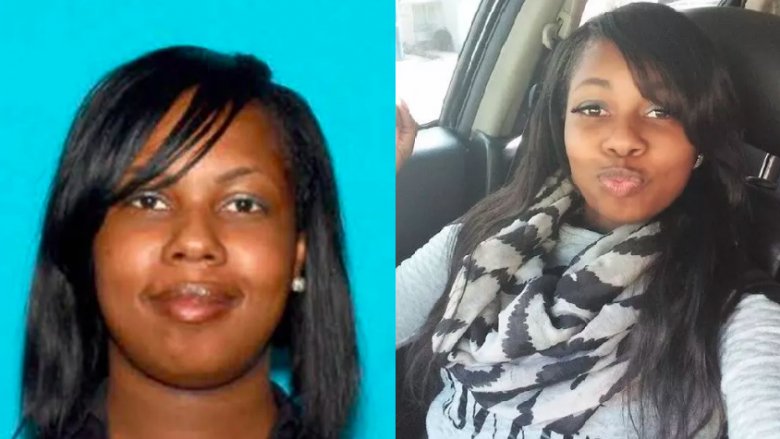
The next time you're tempted to feud with your neighbor over stupid things like loud music, how long the grass is, or how many old cars he has sitting in his driveway, just don't. Nothing can get you into trouble quite like a dispute with the one person you can never, ever get away from. In March 2016, 24-year-old Milwaukee resident Shanika Minor was annoyed because her neighbor Tamecca Perry, who was nine months pregnant, was playing loud music. Granted, that's super annoying but not really a capital offense.
Nevertheless, Minor confronted Perry on the sidewalk with a gun and fired a shot into the air. Minor's mom, who previously complained about the loud music, defused the situation, but she wasn't finished — she felt that Perry had gravely disrespected her and her family. The next morning, Minor went back to Perry's house and shot her in the front yard, in full view of her two children and boyfriend. Perry made it back into the house and died along with her unborn baby. After that, Minor might have thought, "Crap, maybe being disrespected is not so terrible as being on the FBI's 'Most Wanted' list." Regardless, she fled and remained at large until a few days after she was added to the list, when she was apprehended in North Carolina.
O'Neil Vassell
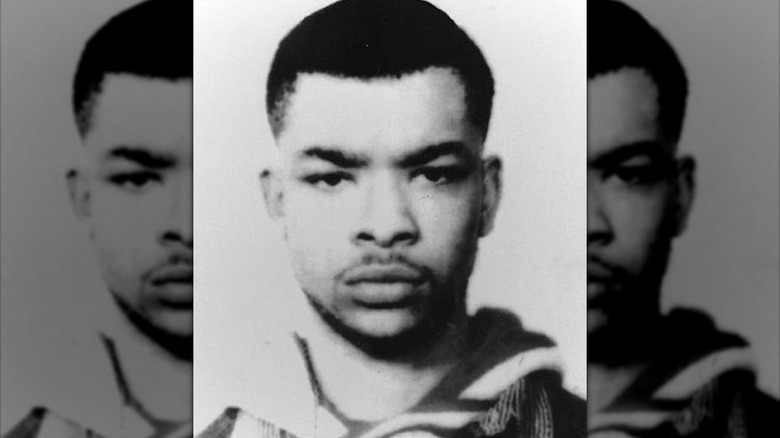
A string of murders was carried out in Bridgeport, Connecticut, throughout 1993. One victim, discovered on a basketball court, had been shot 13 times, and another had died after engaging in a shootout from his car. What linked those two deaths and a third alleged murder: All had been shot by a 9-millimeter firearm. Police connected all those crimes to O'Neil Vassell, a known member of the local cocaine-dealing gang, the Rats, who went by the street name "Yellow" in his dealings with rival group the Cats.
A warrant for Vassell's arrest was issued in 1993, and when he still hadn't been located by 1995, he was profiled on "America's Most Wanted." In July 1995, the FBI placed Vassell on its "10 Most Wanted" list. About 19 years old at the time the FBI elevated his priority, he was arrested more than a year later when police in New York City found him hiding out in an apartment in Brooklyn. Also known by the name Caesar O'Neil, the former enforcer was convicted on two counts of murder, one count of attempted murder, and one charge of trying to pay to have a witness killed and was sentenced to a 120-year prison term.
Jose Manuel Garcia Guevara
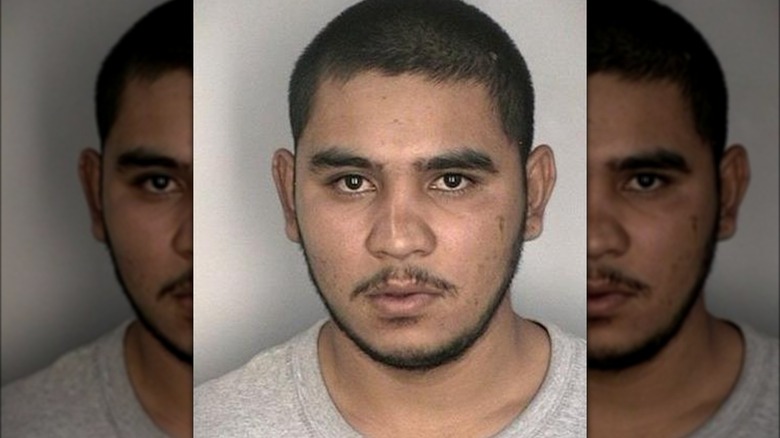
Early on February 19, 2008, police in Lake Charles, Louisiana, responded to a horrific crime scene. Wanda Barton was the victim of a home invasion and sexual assault before she was brutally stabbed to death in the presence of her 4-year-old stepson. An investigation determined the suspect to be neighbor Jose Manuel Garcia Guevara, a construction worker living in the U.S. without proper immigration clearance. Officials believed that after the crimes, Guevara left the country and likely returned to his city of origin, Rioverde, Mexico. Guevara was 20 years old at the time of the murder and 25 when he joined the "10 Most Wanted Fugitives" list in June 2013.
A little over a year later, Guevara turned himself in to police in Mexico, and the FBI extradited him back to Louisiana. The captured fugitive was arraigned on charges of second-degree murder, aggravated burglary, aggravated rape, and unlawful flight to avoid prosecution. In a January 2015 jury trial, Guevara was convicted of most of those offenses and later given a life sentence.
Terry AD Strickland
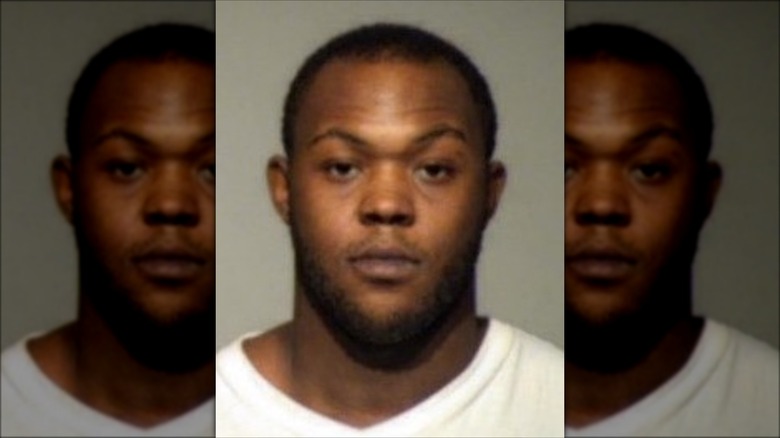
A brawl in July 2016 on the north side of Milwaukee involving at least seven men turned deadly when one individual began firing his weapon. Two people, Maurice Brown Jr. and Michael Reed, were shot and killed. Law enforcement determined that the gunman was Terry A.D. Strickland, and Milwaukee police landed an arrest warrant for two charges of first-degree intentional homicide. But after it was determined that the suspect had fled the state, federal authorities issued another warrant for the crime of unlawful flight to avoid prosecution. In December 2016, the FBI officially moved Strickland to its "10 Most Wanted" list, naming the 24-year-old murder suspect one of the most dangerous fugitives in the country.
About a month later, Strickland was captured after police in El Paso, Texas, pulled him over while driving. Peacefully agreeing to an apprehension, Strickland was sent back to Milwaukee to face a criminal trial. He was convicted of two charges of first-degree intentional homicide, and in July 2017, he was sentenced to 60 years in prison.
Shauntay Henderson
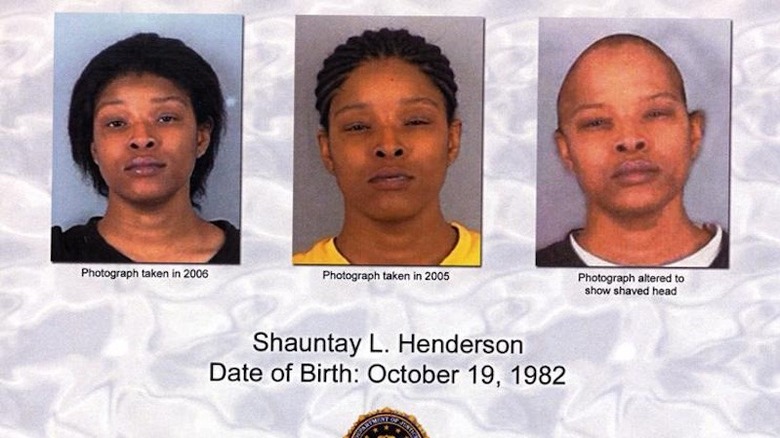
On March 31, 2007, the FBI sought the help of the general public in the capture of 24-year-old Shauntay Henderson, also known as Rasheda Washington and Rasheda Smith. She was rumored to be a part of the Kansas City criminal collective known as the 12th Street Gang and believed to deal in narcotics and weapons. Henderson was placed on the federal law enforcement agency's "10 Most Wanted" list because of her purported role in the September 2006 violent death of Kansas City man DeAndre Parker. Henderson allegedly approached a parked car and shot the occupant in the chest three times with a semiautomatic handgun.
On the very same day that the fugitive made the FBI's list, Henderson was arrested at a private home in Kansas City. The murder charge was eventually reduced to manslaughter, and Henderson was sentenced to just probation. But in 2014, after she was arrested and charged with the crime of owning a gun as a convicted felon — a federal charge — a judge revoked the probation and ordered Henderson to spend 10 years in prison for her culpability in Parker's death.
Michael Jason Registe
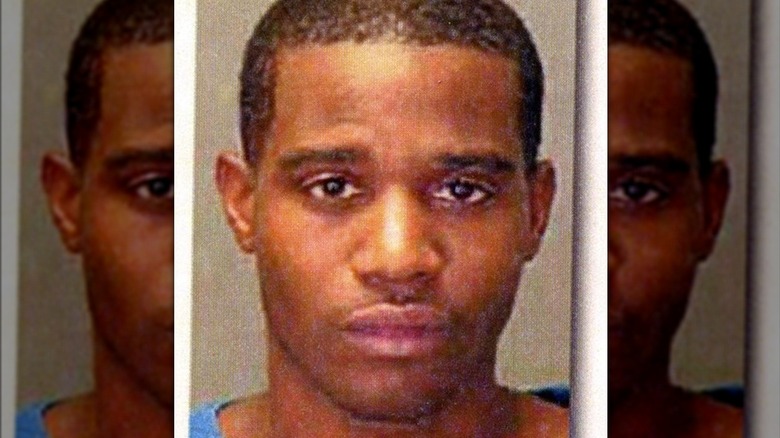
In July 2007, police in Columbus, Georgia, responded to a crime scene where two men in an SUV had apparently suffered close-range gunshots to the head. One victim was dead already, and the other died later of his injuries. Detectives connected Michael Jason Registe, already wanted and charged with aggravated assault for a 2005 matter, to the murders. A local arrest warrant went out, followed by another issued by federal authorities three days later when it became evident that Registe had fled the state or possibly the country to avoid arrest. A little over a year later, with Registe failing to materialize, the FBI put the fugitive on its "10 Most Wanted" list. While the suspect had used a variety of aliases and potentially fraudulent personal information, he was believed to be 26 years old, though he could've been as young as 19.
One month after the FBI put Registe on notice, he was arrested on St. Maarten, an island in the Caribbean. Returned to the United States, Registe entered a guilty plea on two murder charges and, through an arrangement with prosecutors, received a sentence of two life sentences to be served at the same time. He'll be eligible for parole in 2038 at 55 years old.
Tony Ray Amati
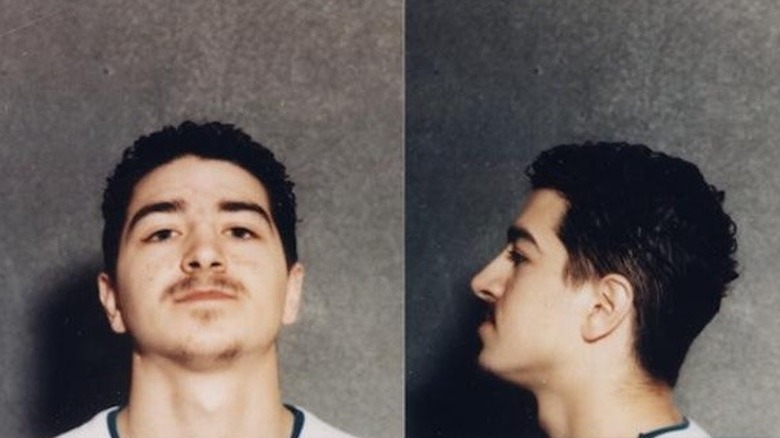
One night in August 1996, Keith Dyer was walking with his friend, Stacie Dooley, near the UNLV campus in Las Vegas when he was shot and killed by three masked men. Police linked Tony Ray Amati to the murder after his blood was discovered near the site of the crime, as he'd cut his hand on a parked car while running away. Authorities also connected Amati, along with cohorts Troy Sampson and Edward James, to a May 1996 Las Vegas gun shop robbery and the seemingly random shooting deaths of Michael Matta and John Garcia outside of their homes in separate incidents. All three suspects were apprehended in October 1996 after they tried to sell stolen guns to undercover law enforcement, but Amati posted bail and fled the area prior to police obtaining a search warrant to look for evidence that connected him to the murders.
The FBI placed the fugitive on its "10 Most Wanted" list in February 1998. Amati was 21 years old. A month later, he was arrested in Georgia and returned to Las Vegas, where he stood trial for Dyer's murder. Prosecutors argued that Amati had killed for kicks. Amati claimed that his friends had killed without reason on the spur of the moment while en route to case a store for a burglary. A jury sided with the prosecution, and Amati was convicted of first-degree murder. In 1999, he was sentenced to life in prison with parole eligibility after 40 years served.
If you or anyone you know has been a victim of sexual assault, help is available. Visit the Rape, Abuse & Incest National Network website or contact RAINN's National Helpline at 1-800-656-HOPE (4673).