

Characters That Almost Single-Handedly Ruined A Television Show
Like films, television shows can live or die by their characters. Think about some classics right now: Walter White from "Breaking Bad," Kelso from "That '70s Show," Daenerys Targaryen from "Game of Thrones," Desmond from "Lost," Xena from, well, "Xena" — the list goes on and on. A well-written character can really leave an impact, both for the show and the actor who plays them. Some are so good that the persona follows the actor forever, and they can never quite get out of their shadow (remember the rumors that Jack Gleeson quit acting because Joffrey Baratheon was so hated?).
Sometimes, though, even the best talent can't salvage a bad persona. Some characters throw off the balance of our favorite TV shows, sometimes nearly ruining the series' legacy. From Cousin Oliver to Wesley Crusher to Screech, these are just a few characters that made viewers want to kick in their television sets.
Cousin Oliver — The Brady Bunch
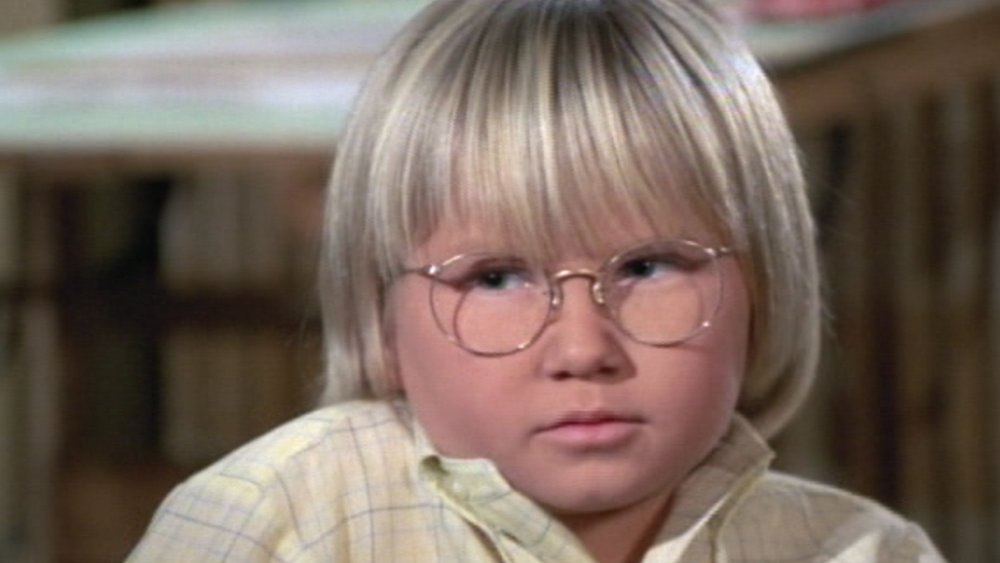
Introduced in the 5th season of "The Brady Bunch," as all the Brady Kids were starting to age out of being precocious young kids, Cousin Oliver was reputed to be Carol's nephew. He was dumped with the family while his parents were traveling on a South American archaeology dig, and we soon learned why they'd rather not be around him. Oliver was a regular for all of six episodes — in his big debut, he believes himself to be a jinx after causing problems over and over. Sometimes, the stories write themselves. Soon, Oliver was involved in a mix-up where he and Bobby Brady fell under the mistaken notion that Alice's beloved butcher friend, Sam, was actually trading secrets to the Russians and was going to trap Mike Brady in a meat locker. Yes, before hackers, the Russians apparently employed mild-mannered meat men. When Cousin Oliver shows up on "The Americans," watch out.
Oliver's tendency to cause accidents when he was around helped to change the balance of the series, becoming something of a real-life evil Tiki that cursed the family. The Brady Bunch was canceled just a few episodes later, and Robbie Rist, who played Oliver, wasn't even told the series was done, only learning when he found out he wasn't going back to work.
While the overall legacy of the Bradys stands tall, Oliver was that "jump the shark" character that made eyes roll, so perhaps it's fitting that he's been involved in creating the music for the "Sharknado" film series.
Scrappy Doo — Scooby Doo
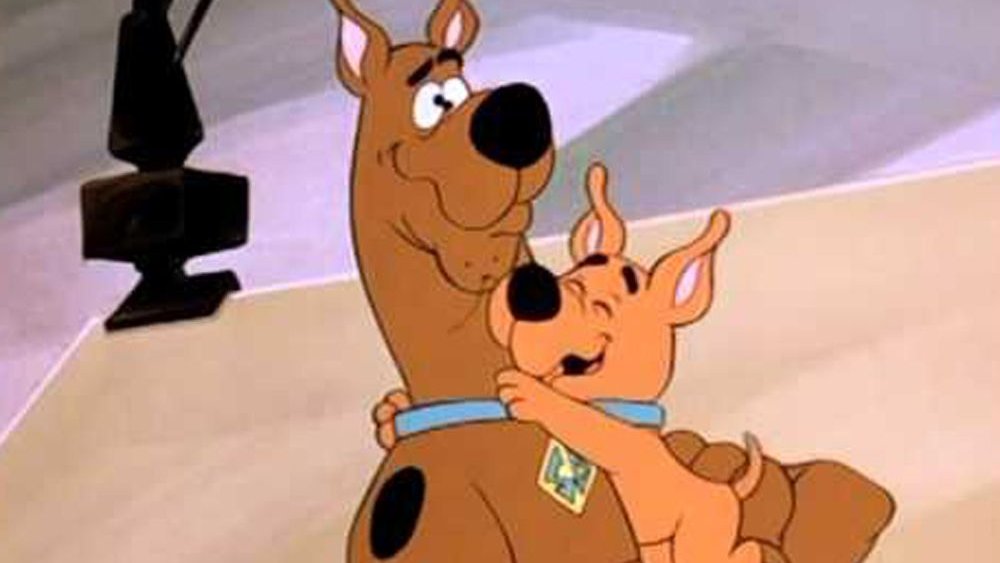
For decades, Scooby-Doo and his pals at Mystery Inc. have unmasked ghoulish villains who no doubt would have gotten away with their crimes had it not been for those meddling kids. In 1979, however, there was a push to cancel "Scooby," due to repetitive episodes and sagging ratings. Producers Hanna-Barbera pulled out a Hail Mary pass, introducing Scooby's feisty nephew Scrappy Doo, hoping he would save the day. The series was renewed, although the diminutive pup would cause a ripple effect still felt today.
While Scooby and his best pal Shaggy were always afraid of the monsters they faced, tiny canine sparkplug Scrappy was the exact opposite. Like a frat boy with roid rage, Scrappy was always looking for a fight, screaming lines like "Lemme at 'em!" and "Puppy power!" Scrappy soon tossed the natural balance that came from Scooby and Shaggy's cowardly reactions to the mysteries upside down. While the pair's antics often set up gags and even helped to accidentally catch the bad guys, Scrappy had but one trait: He challenged everyone to a fight before being yanked away.
Despite Scrappy sucking the air out of the room, he even got equal title billing with Scooby for the new season, while Fred, Velma, and Daphne — despite their years of service — were benched. Imagine losing your job to the dog you can't housebreak. Years later, in Scooby's first live-action feature film, Scrappy was portrayed as a disrespectful, exiled member of Mystery, Inc., who urinated on other members of the team (good times) before — spoiler — he gets revealed as the big bad. So to review: Scooby? All-time classic. Scrappy? Best left in the kennel.
Wesley Crusher — Star Trek: The Next Generation
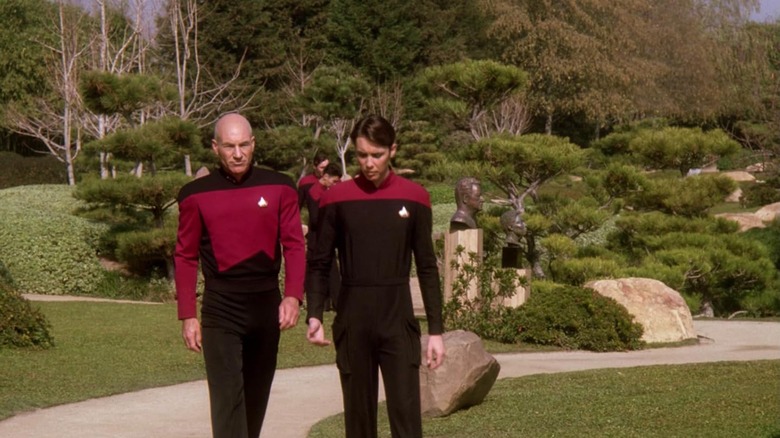
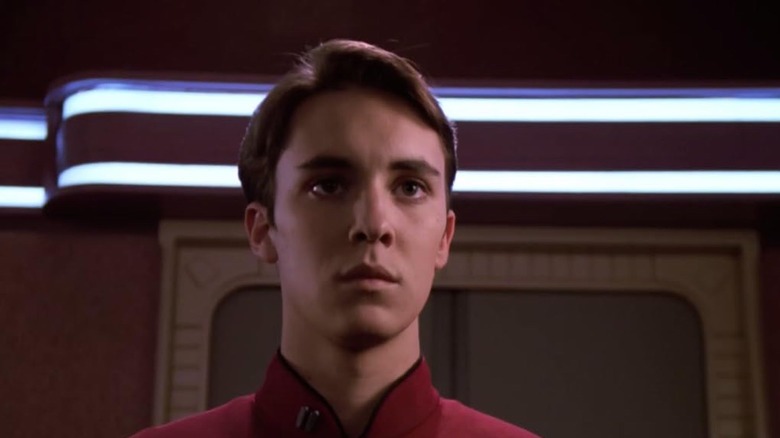
When "Star Trek: The Next Generation" first hit warp speed, the idea was to continue Gene Roddenberry's vision of a united world seeking out new life and civilizations in outer space. What no one expected was the most annoying addition to the "Trek" mythos since Tribbles: Wil Wheaton's Wesley Crusher. Even for the future, his story made no sense. Wesley consistently failed to make it into the Starfleet Academy, yet somehow remained living on the Enterprise. Even more mind-blowing, he regularly gave opinions, stood up to senior officers, and came up with ideas that saved the day. He was the character who somehow had the knack for all the answers and the plucky attitude to match them. What he didn't have, however, was respect. Not even getting stabbed earned this kid any street credibility.
Wesley was routinely rejected for having no logical reason to be as smart, as opinionated, or as helpful as he was. Eventually, Wesley was routinely smacked down by Captain Picard and even his own mother. The hatred crystallized with the infamous scene where Picard snapped, "Shut up Wesley!", a moment immortalized as both Internet meme fodder and an entry in the Urban Dictionary.
Thankfully, Wesley exited as a regular in the 4th season, allowing "TNG" to right itself without having to rely on someone who couldn't ride Space Mountain alone. Wheaton would later admit the criticism of the character hurt him personally, but given how he has been given his own asteroid and remains a rising power in geek culture, he's probably gotten over it.
Screech — Saved By The Bell: The College Years
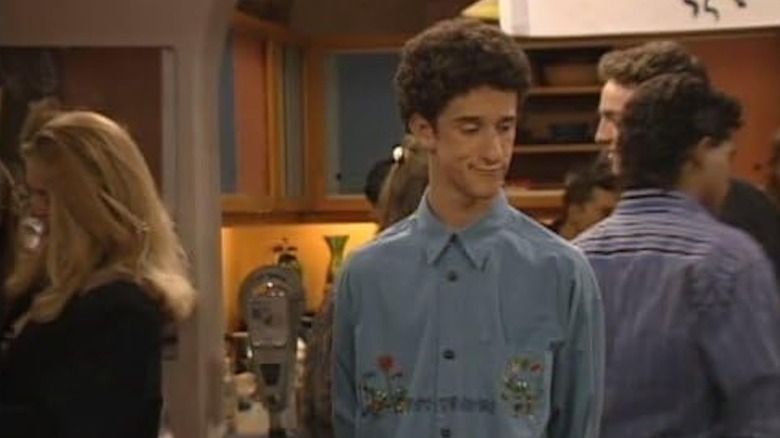
Dustin Diamond peaked in life when he portrayed Screech for NBC's Saturday morning opus "Saved By The Bell." Designed to be the nerdy genius sidekick to Zack Morris (Mark-Paul Gosselaar), Screech pined over Lisa Turtle, had a dance named after him, and was a proud member of Bayside High. Screech was light comedy relief that worked.
In 1993, the cast graduated and made the jump to prime time, pursuing greater education in "Saved By The Bell: The College Years." With the move, most of the characters grew in some fashion. Schemer Zack Morris learned responsibility and humility before putting a ring on Kelly Kapowski's finger. Jock A.C. Slater embraced his Latino heritage. Jessie Spano began her academic career path. Screech, however, was a different story.
Formerly goofy in a cute way, Screech's path to college apparently included a "Flowers for Algernon" reenactment, as his intelligence dissipated to the point where he couldn't tell the difference between frozen and cooked turkeys. His voice grew more grating, his vocabulary more simplistic — he quickly went from being the comedy sidekick that allowed others to play straight man to someone you wanted to see shoved out a window. Even Screech's own best friends verbally knocked him to his face. Dude was useless.
Screech would live on through additional "SBTB" incarnations, but the damage had been permanently done. Screech was scorched earth. Diamond's real-life issues, including time in jail after a stabbing, only helped to reinforce the character's bad rep. Despite 12 years playing Screech, Diamond was the only cast member not asked to take part in a reunion sketch for "Jimmy Fallon." Tragically, he died of lung cancer in 2021 at age 44.
Seven — Married ... With Children
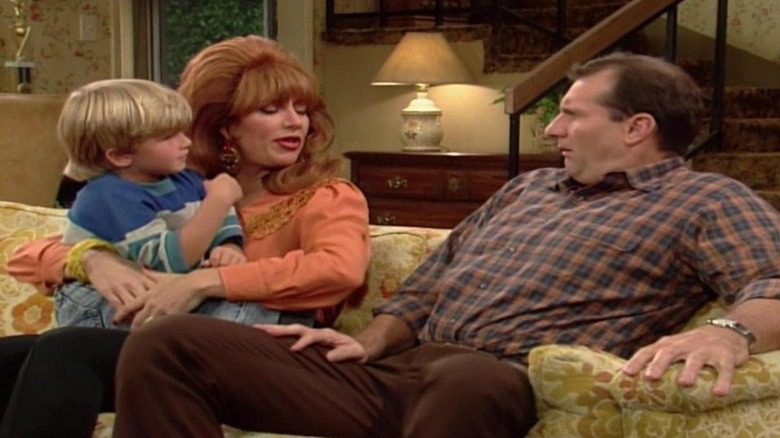
Fox's first hit was "Married ... With Children," a series that's still fondly remembered today. One character is all but forgotten, however, and that may be for the best, as he was a neon symbol that the end was near. After being abandoned by Peggy's relatives, Seven (yep, that was his real name) is taken in by the Bundys, opening the door for Al's misery to continue with a new mouth to feed. Still, Al declares him to be an "official Bundy" after the kid helps them beat up a rich family during a party. But, with no additional backstory and a character too cute for what worked on a non-traditional comedy, "Married" began to list sideways.
Shane Sweet, the child actor hired for the role, had little experience, and the audience wasn't reacting well. The series recognized this, quickly claiming Seven had gotten into the D'arcy family home next door, refusing to leave. Soon, he was retconned out altogether, never spoken of again beyond a few quick gags that reinforced his exile. "Married" went on to last another four seasons, so it turned out to be the right move. While Sony announced a "Married" animated reboot in 2022, it was later reported to be a dead project. Regardless of what happens in the future, though, expect Seven to remain forgotten, another victim of the Bundy Curse.
Maya Herrera — Heroes
NBC's "Heroes" brought forth a comic book mentality — an interconnected world and sense of adventure before such a thing became completely oversaturated in cinema and television alike. When the series climaxed in its debut season, creator Tim Kring was left with quite the problem. Namely, trying to top a season that introduced lovable time traveler Hiro Nakamura, power-slurping villain Sylar, and the iconic phrase "Save the cheerleader, save the world."
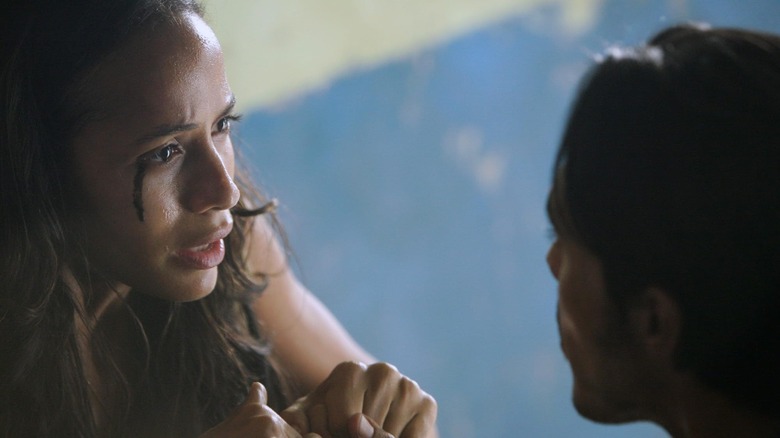
When "Heroes" returned for its sophomore season, the team gave it the old college try with the addition of a new character, Maya Herrera. Played by the gorgeous Dania Ramirez, Maya and her twin brother crossed the border from Mexico into the United States, seeking help in controlling her powers, as black liquid leaked from her eyes, poisoning everyone in the vicinity. Great party trick.
A great amount of time was spent developing Maya's story, which was met with apathetic viewer interest. She represented Season 2 going off the rails, with no hero to rescue it. Her character didn't connect and got lost among the other slow, plodding stories of the season. Worse, Maya remained mostly independent of the series' established characters. She was seen as an intermission, not an addition to the mythos of the show. Maya showed little prowess as a hero, had repetitive scenes, and ended up being hoodwinked by Sylar, who predictably kills her brother. He died. Viewers shrugged.
With a writer's strike causing the season to close with just a handful of episodes, Maya is cured and rushed out of the series. Kring showed some tact (rare for Hollywood), admitting they had screwed up the season, specifically mentioning the newer characters, while apologizing to fans. Kring promised to get things right, so Maya was never seen again, curing "Heroes" of its own poison, at least until it was canceled, rebooted, and canceled again.
Stephanie Mills — All In The Family
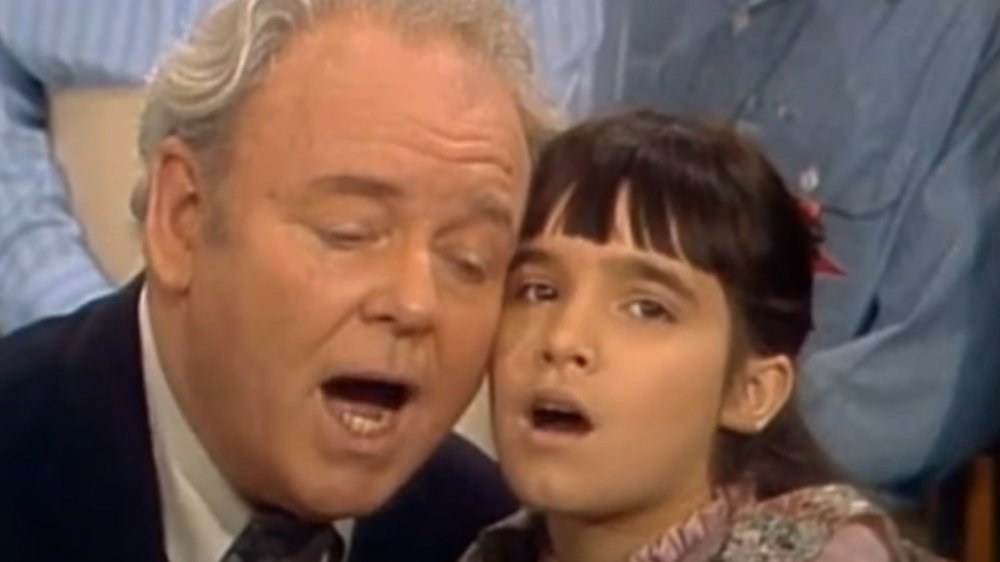
If you've owned a television in the last 40 years or so, you're well aware of Archie Bunker, the main character of the classic comedy "All In The Family." By Season 9, the grumpy Archie was looking forward to finally having some quiet time, as his daughter and son-in-law had moved to the West Coast. But before he could get some downtime, his 9-year-old grand-niece, Stephanie Mills, is dropped at the Bunker doorstep. Before you can say "cast addition," Stephanie is taken in, despite Archie's predictable protests, and he and his wife begin to care for the girl as their own. Of course, Stephanie reveals herself to be Jewish and extremely liberal in her views, making her the new lightning rod for the conservative Archie to react to.
The addition of Stephanie brought immediate criticism for allowing Archie to grow softer. Her presence also brought too much sentimentality to a series that had hung its hat on its realistic, thought-provoking conversations and plots. Now, more commonplace sitcom fare became the norm — Stephanie's emergency appendectomy, family members trying to take her back, etc. This led to grumbling that marked a new, failed era for the series (it didn't make it a year with Stephanie before being canceled), as it crossed over into spin-off territory.
"Archie Bunker's Place," which premiered soon after "All In The Family" got the ax, featured a now-widowed Archie managing his bar. Since everyone else was gone, Stephanie takes on a much larger role in the series, much to the chagrin of those already tired of her. "ABP" lasted just under four years, meaning a little girl accomplished what Archie's meathead son-in-law never could — she successfully annoyed viewers to the point that they threw their hands up. Stifle!
Nellie Bertram — The Office
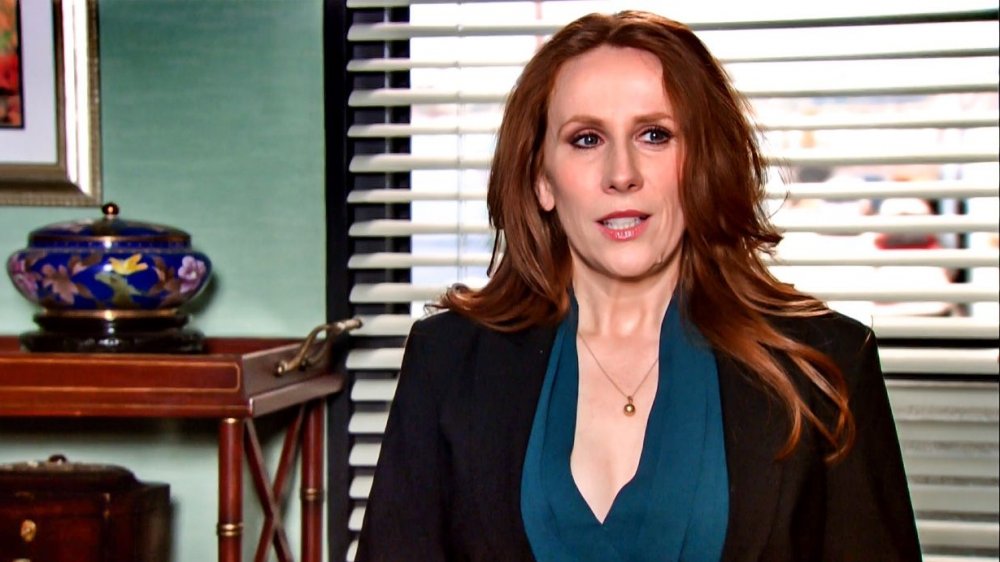
When Steve Carell's Michael Scott left "The Office" during its 7th season, a massive void was left to be filled in the faux-reality world of Scranton, PA's Dunder Mifflin Paper Company. Brit Eleanour Donna "Nellie" Bertram soon debuted as a potential suitor to Michael's throne, despite her having no actual qualifications for any of the positions she was vying for. What's more, she had horrible social skills and was extremely lonely, depressed, and obsessed with adopting a child. The series also failed to give viewers any reason to care about why she was suddenly dominating the series. Just like in real life, an idiot was now seemingly in charge, one who somehow made Michael seem like a genius. That's a tall, sad order to fill.
Played far too well as having no redeeming qualities whatsoever by Catherine Tate, Nellie was decried for a downturn in the series' quality. After all, how does one find sympathy in a shopaholic (she once bought 13 pianos at once) with massive credit card debt who possesses a complete lack of intelligence and has been crowbarred onto the show? She also pretty much kidnaps a baby in the series finale, taking off for Europe with it.
April Nardini — Gilmore Girls
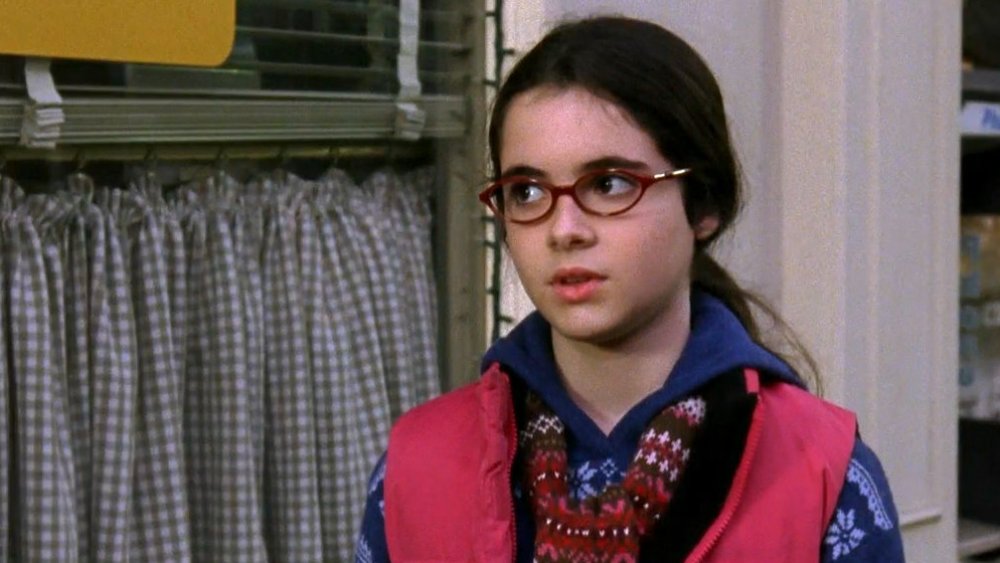
There was great celebration when "Gilmore Girls" was revived by Netflix — until fans learned that April Nardini would also be returning. Coined the "Jar Jar Binks" of the series, April debuted in Season 6 as the previously unknown teenage daughter of Luke. When she steals and tests Luke's DNA as part of her nerdy science project and learns that he is her father, it's the beginning of the end for Luke and Lorelai's long-building love.
At first, this new information is so incomprehensible to Luke that he can no longer commit to marriage. To make matters worse, he hides the reason for his decision, and when Lorelai finds out, he then asks her to keep her distance from April. Things come to a head, and when he's finally ready to commit, it's too late. The star-crossed lovers of Stars Hollow find themselves done for good.
For fans of the series, this breakup was the equivalent of having their hearts ripped out, and there was only one person to blame: April. Adding to the dislike was that this gawky 12-year-old girl, whose idea of a good time was counting salt shakers in the diner, was now the focus of Luke's attention as he fought to gain custody. Viewers rejected her with a passion.
Years later, regarding that negative response to her character, actress Vanessa Marano spoke about fan reaction to her character. "No, it was not great, but at the same time in a weird way, I feel like it was actually kind of great that that happened," she told Vulture. Still, Marano admits she understood the rejection, because she herself was conflicted over the character. In fact, she admits she "sort of hated" April herself. When you hate the character you play, there is no greater proof that they were no good, for the show or the viewers.
The Great Gazoo — The Flintstones
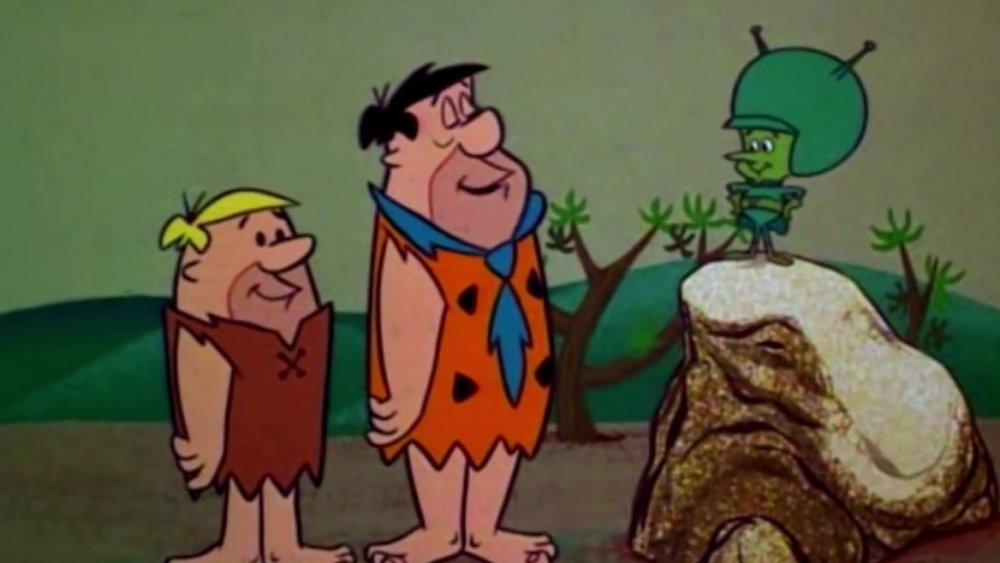
"The Flintstones" was already a show built around a gimmick, but that gimmick was broad and repeatable enough to sustain the show for five and a half seasons. Up until December 1965, "The Flintstones" was a standard '60s domestic sitcom, except that it was animated and set in the Stone Age. Never mind the presence of talking animals whining about mimicking the jobs of modern machines, or that literally everything and everyone in and around Bedrock had a name built around a ham-fisted rock or stone pun. At the end of the day, "The Flintstones" was based in realism and the relationships between a man, his wife, his daughter, and his best friends. But then, shortly after Season 6 started, here came the Great Gazoo. He's a pint-sized, green-skinned space alien who can float in the air and disappear at will. This sudden intrusion of goofy science fiction betrayed both the premise and realistic heart of "The Flintstones."
Beyond that, the Great Gazoo was loathsome and hard to like. The reason he was on Earth was because he'd been banished from his home planet for inventing a weapon of mass destruction. He spent his time here being a jerk to Fred, calling him a "dum-dum," getting him into sticky and dangerous situations, and then disappearing when the going got tough. The Great Gazoo's reign of awful was at least short-lived: He appeared in just 11 episodes before "The Flintstones" ended its run.
All the late-season additions on Happy Days
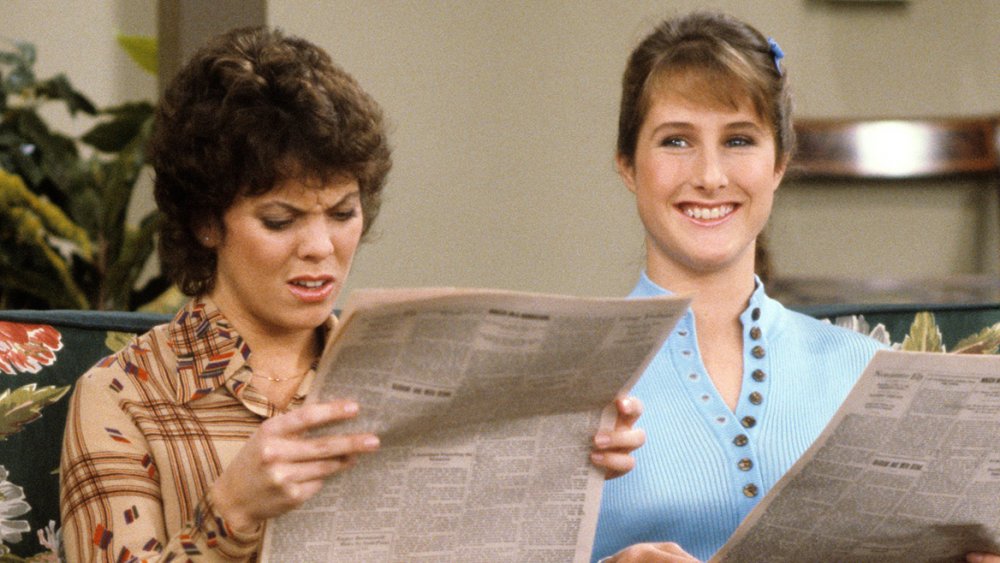
There aren't a lot of TV shows more closely associated with the '70s than "Happy Days," a gentle sitcom about '50s teens. But it was a lot more than Richie Cunningham, Potsie, and Ralph Malph hanging out at Arnold's Drive-In and getting life advice from Arthur "Fonzie" Fonzarelli (the coolest human, fictional or real, to ever exist). The sitcom lasted 11 seasons and aired well into the '80s, at which point original cast members Ron Howard (Richie) and Donny Most (Ralph) had moved on. Producers stacked the show with lots of new characters, hoping to replace the departing ones and recapture the magic of the early seasons.
Lynda Goodfriend permanently joined the cast as Lori Beth Cunningham, the wife of Richie, who was no longer around after joining the Army. Then Cathy Silvers came on board to play Jenny Piccalo, the often-spoken-of-but-never-before-seen best friend of Joanie Cunningham. Ted McGinley arrived next as Roger Phillips, a high school teacher and nephew of Marion Cunningham, followed by Linda Purl as Ashley Pfister, a love interest for Fonzie. (Confusingly, Purl had already previously acted on "Happy Days" as Gloria, one of Richie's girlfriends.) The new additions helped the show tread water until it went off the air in 1984.
Elmyra — Pinky and the Brain
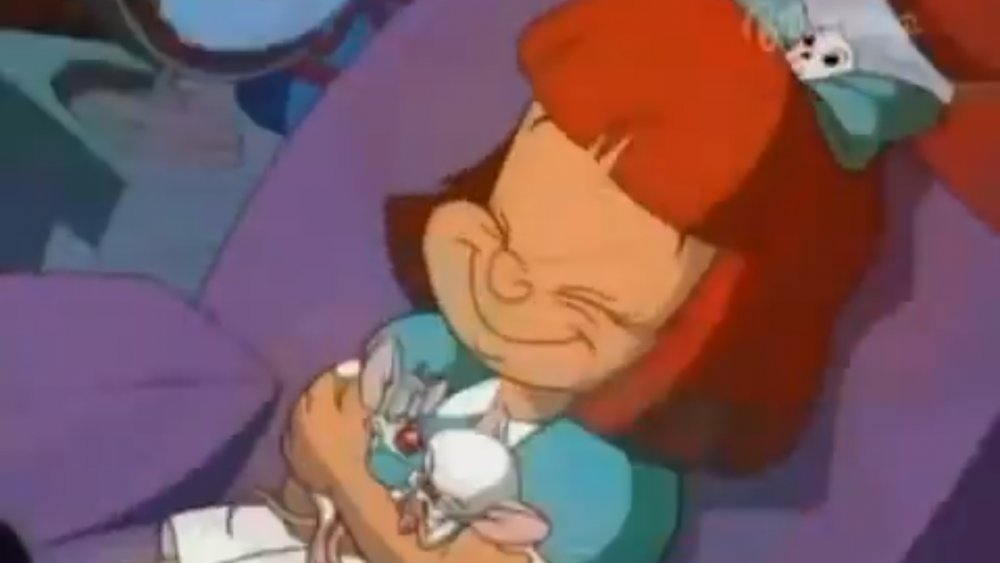
The breakout characters of "Animaniacs" were the dark and transgressive Pinky and the Brain, lab rats who tried to take over the world in their free time. (Well, the Brain would. Pinky was only smart enough to go along for the ride.) The WB network had such faith in the characters that in 1995, it greenlit a prime-time spinoff, "Pinky and the Brain." After poor ratings — it aired opposite juggernaut "60 Minutes" — WB moved the show to Saturday mornings. There it stayed until 1998, when the network retooled the show into "Pinky, Elmyra & the Brain."
Abandoning the original premise entirely, Pinky and the Brain were no longer lab rats but instead stuck in a suburban home as the reluctant playthings of a violently affectionate little girl named Elmyra, a character from "Tiny Toon Adventures," which was canceled in 1995. The reason: WB executives wanted to ditch the world domination angle entirely and make the show more broadly comedic to keep it on the air longer. "Most people didn't like that and I understand why," Rob Paulsen, the voice of Pinky, told Uproxx. "It was essentially trying to squeeze more life out of this franchise."
The show's writers lashed back at their bosses — the theme song for the new show included Brain muttering, "I deeply resent this," and the lyric, "It's what the network wants, why bother to complain?" The new format only lasted 13 episodes before cancelation.
Doggett and Reyes — The X-Files
David Duchovny and Gillian Anderson became huge stars playing Fox Mulder and Dana Scully, FBI investigators who looked into alien abductions, paranormal encounters, and other really weird stuff that hinted at a massive, shady government conspiracy on Fox's "The X-Files." But Duchovny wasn't happy. Right before the series' 7th season in 1999, he sued Fox, claiming that it had sold rights to reruns of the show at a discount to its affiliates, thereby cheating him and the other actors out of profits they may have earned had the episodes been sold elsewhere.
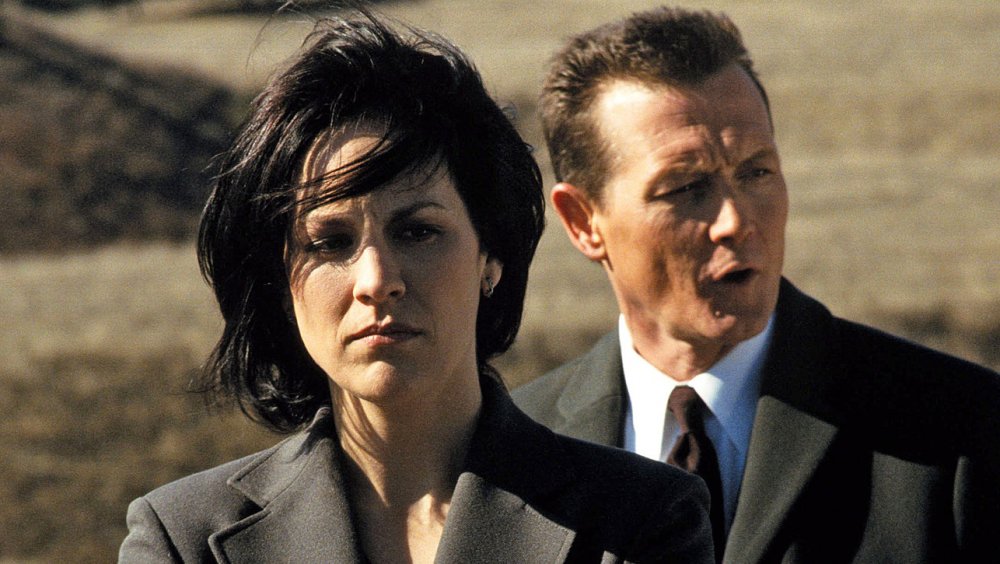
The suit was eventually settled, but Duchovny filed it right when he negotiated his contract to keep playing Mulder on "The X-Files," and understandably, neither actor nor network was particularly enthusiastic to maintain their working relationship. They came to an agreement: Mulder would mysteriously disappear in Season 7 and appear sporadically in Season 8, necessitating a new FBI agent named John Doggett (portrayed by Robert Patrick of "Terminator 2") to team up with Scully. The show also hired Annabeth Gish to play another new agent, Monica Reyes, in the event that Anderson decided to bolt, too.
However, without Duchovny — or maybe the irresistible chemistry between Mulder and Scully — viewers left in droves. From a series high of a No. 11 rank in the Nielsen ratings in 1997-98, ratings slipped down to No. 67 and about half as many viewers by 2001-02, at which point "The X-Files" was canceled. In 2016, the show returned along with Duchovny and Anderson for two more seasons.
Randy — That '70s Show
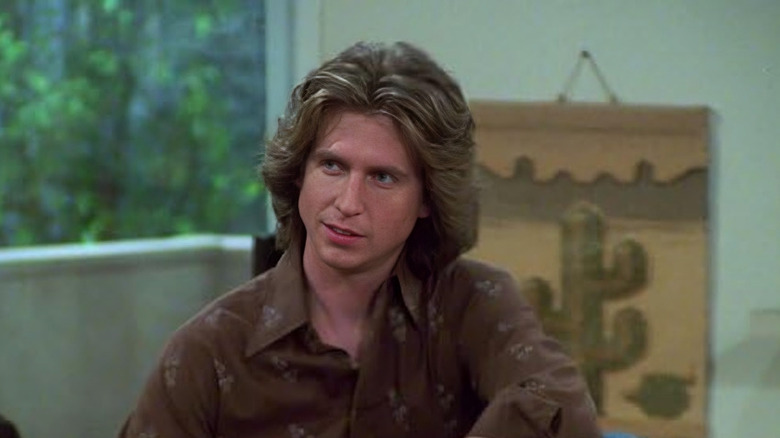
Portraying goofy teen Eric Foreman on "That '70s Show" made Topher Grace a star, and after seven seasons, he bowed out to pursue his burgeoning film career. Portraying dumb teen Michael Kelso made Ashton Kutcher a movie star, too, and he also decided to leave early in Season 8. To replace the Africa-bound Eric and Chicago-bound Kelso, producers brought in one new character: Randy Pearson, an employee at Hyde's record store. Like Eric, he dates Donna and cracks wise. Like Kelso, he's a bit of a male bimbo.
Ironically, the new and sudden cast change felt in line with the show's long-form homage to '70s sitcoms — bringing in some new guy is exactly what "Happy Days" did decades earlier. It was all likely a fool's errand for actor Josh Meyers, a capable comic actor who honed his chops on "MADtv," because it's not easy replacing the two biggest stars on a long-running show. Unsurprisingly, he didn't get much time to build up chemistry with the cast before Fox canceled the show at the end of Season 8 after the ratings dropped.
Max — NewsRadio
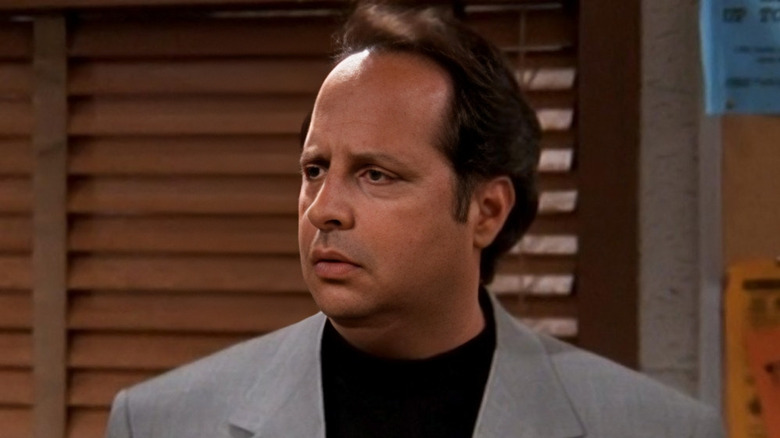
As it was heading into its 5th season, the critically acclaimed but only moderately popular NBC sitcom "NewsRadio" had to bring in a new character — and new actor — due to an unspeakable tragedy. In May 1998, after the show's 4th season ended production, the best-known member of the cast, Phil Hartman, died in a murder-suicide. "NewsRadio" returned in the fall with a gut-wrenching episode explaining that Hartman's character, radio newsreader Bill McNeal, had suddenly died of a heart attack. The show's workplace, WNYX, needed a new newsreader, so "NewsRadio" needed a new figure. Producers brought in Hartman's friend and "Saturday Night Live" castmate Jon Lovitz as Max Louis, an insecure, hard-to-like sad sack of a man.
Not only did Lovitz have to come into an established sitcom, but he also had to do it while grieving and surrounded by others also shocked and saddened by Hartman's death. "Not putting Jon down, but he had different rhythms than we did, and it wasn't the same show," cast member Stephen Root told Uproxx. "It was a sad time." Writer Joe Furey refused to blame Lovitz for the character not working. "It was just a different dynamic and it wasn't the same thing anymore." After that one season with Max, NBC canceled "NewsRadio."
Billie — Charmed
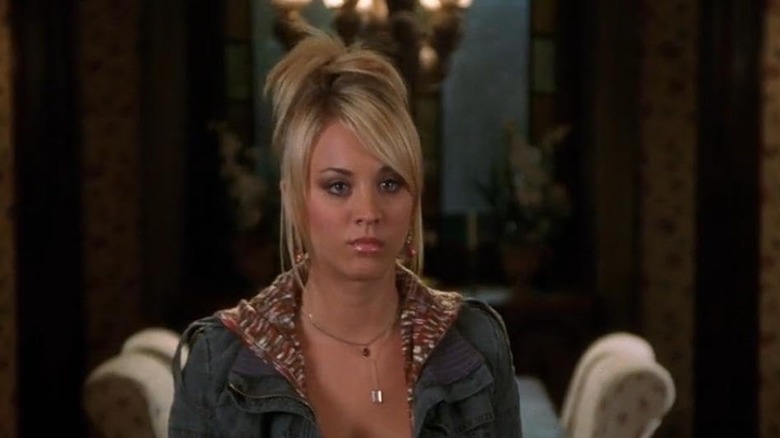
The supernatural drama "Charmed" smoothly survived a major upheaval when original cast member Shannen Doherty bolted from the show about the three magical Halliwell sisters. Taking her place: Rose McGowan, playing a long-lost sister who happened to possess the magical skills necessary for the "Power of Three" to continue on. In 2005, the aging show was heading into its 8th season when The CW issued an ultimatum: Bring in new characters to populate future seasons or set up a spinoff. And so, writers introduced Billie Jenkins, a college-age witch who approached the show's witchy main characters for magical training.
Portrayed by future "Big Bang Theory" star Kaley Cuoco, Billie spent a lot of her time in the sisters' attic, studying magic books and trying to locate her demon-affiliated missing sister, who subsequently tricks Billie into turning on the Halliwells. That was a lot of setup for a character that ultimately didn't get a spinoff, which took away screen time from the characters fans had been following for nearly a decade. They ultimately disappeared from television because "Charmed" didn't get a 9th season.
Tom Yates — House of Cards
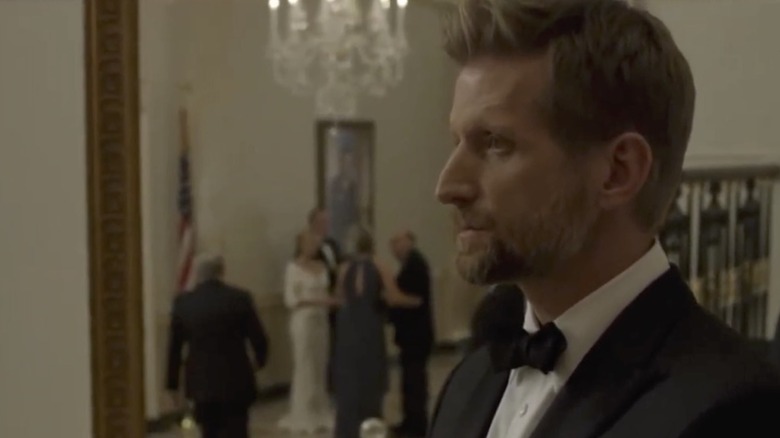
Actor Paul Sparks joined Netflix political drama "House of Cards" in its 3rd season, portraying award-winning writer Tom Yates. He's still coasting on the success of his bestselling novel "Scorpio" when he's hired to write a book about a new government program by President Frank Underwood (played by Kevin Spacey, before he became embroiled in one of the biggest scandals to ever hit Netflix). Unfortunately, the inclusion of Tom did little to propel the plot of the series, which had already started its decline after two critically acclaimed seasons. The character wasn't particularly interesting, and he seemed to exist solely to have a pointless affair with Frank's wife, Claire Underwood (Robin Wright).
In the 5th season, Claire murders him — she poisons him after revealing too many Underwood secrets to him and watches him die in the midst of having sex, like the black widow spider she revealed herself to be. By this point, it seemed like the writers got rid of Tom because they simply couldn't figure out what to do with him. Sparks was aware of the fan criticism of Tom, but he let that wash off him like water off the proverbial duck's back. "I know that Tom was a somewhat controversial character," he told Entertainment Weekly, "but I did love being on that show and I wish them all the best."
Emily Waltham — Friends
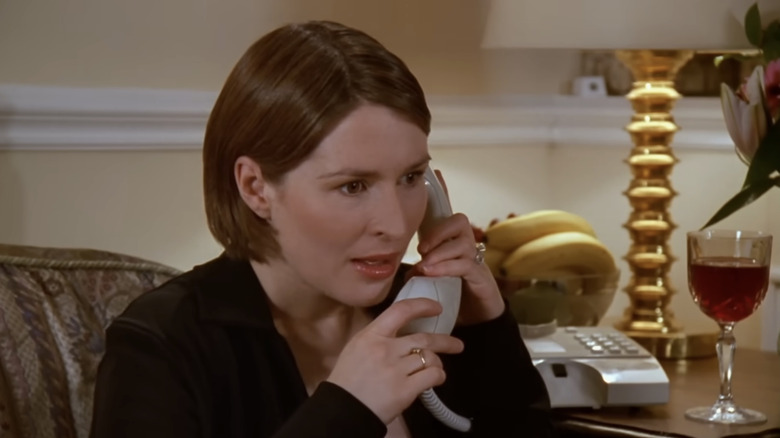
When Emily Waltham (Helen Baxendale) was introduced on "Friends" as Ross' (David Schwimmer) new wife after a whirlwind courtship, the character was yet another speed bump on the road to his inevitable but rocky road to Rachel (Jennifer Aniston). In the storyline, Emily is so insecure about Rachel that she forces Ross to get rid of pretty much everything he owns and buy all new stuff, untainted by memories of his ex. The rest of the Central Perk gang never quite warms to her, and the same was true of viewers. Ultimately, Emily was written off the show after just 14 episodes in what seemed like a rushed romance that didn't make much sense.
The reason, according to "Friends" director James Burrows, was because her chemistry with Schwimmer was lousy, leaving their scenes feeling flat. "She was nice, but not particularly funny," Burrows wrote in his memoir, "Directed by James Burrows." "Schwimmer had no one to bounce off. It was like clapping with one hand. "In sitcoms and any type of romantic comedy, the funny is just as important as the chemistry. We discovered that any new girlfriend for Ross needed to be as funny as Rachel."
As Burrows pointed out, there's a certain trial-and-error that takes place when a guest star is cast in a sitcom. "You need someone who gets laughs," he explained. "Sometimes you start an arc and it ain't working out, so you have to get rid of that person."
Connor — Angel
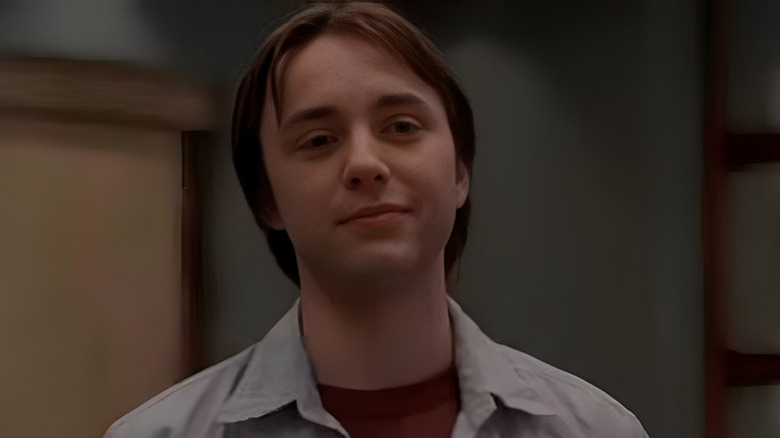
A vampire cursed with a human soul, Angel (David Boreanaz) was a fan favorite on "Buffy the Vampire Slayer" before opening up his LA-based supernatural detective agency in the spinoff "Angel." The show was well-received by fans — until the arrival of Angel's half-demon son, Connor (Vincent Kartheiser), in the 3rd season. To say the character's origin is convoluted is an understatement: Kidnapped as an infant, he was raised in a hell dimension until returning to Earth as a teenager just a few months later (some sort of time dilation thing).
Connor hit the ground moping — a gloomy, annoying teenager from the pits of hell whose teen angst and whiny brooding are exceeded only by his blinding hatred for his dad. Connor was viewed by fans as more of a plot device than a fully formed character, whose sole purpose is to create conflict. Meanwhile, his Season 4 Oedipal romance with Cordelia (Charisma Carpenter), who changed his diapers just one season prior, didn't sit well with fans. "I felt so grossed out when Connor and Cordelia started seeing each other," wrote a fan on a "Buffy" message board. "It literally felt like an awkward, incestual [sic] relationship, [and] that is the common consensus between everyone I talk to about it."
The writers listened, and Connor was written out of the 5th season. Years later, Carpenter alleged series creator Joss Whedon had acted abusively toward her. She also implied the Connor-Cordelia storyline came about because he was angry with her for getting pregnant while filming the show.
Gertrude Moon — Frasier
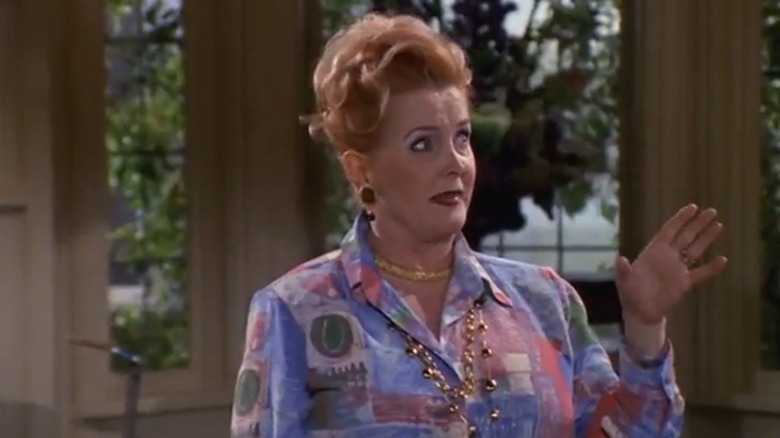
In the 7th season of "Frasier," viewers learn more about the background of Daphne Moon (Jane Leeves) when her mother, Gertrude, is introduced. Played by Millicent Martin, Gertrude arrives to attend Daphne's wedding to Niles (David Hyde Pierce) — and overstays her welcome when she returns in the 9th, 10th, and 11th seasons, appearing in a total of 18 episodes. Written as manipulative, cruel, obnoxious, and overbearing, there's very little to like about Gertrude. Certainly not enough for fans to forge a connection with the character, who simply came off as mean-spirited and opinionated, with an utter lack of any redeeming qualities.
Gertrude even moves in with Niles and Daphne, getting a job at the gang's coffee shop hangout, Café Nervosa. "She is by far the most insufferable character I have seen on the series. I don't know if it's her shrill voice or utterly grating demeanor, but her moving into Niles and Daphne's place almost made me give up watching Frasier," wrote a fan on a Frasier message board, describing Gertrude as the "only character I want to run over repeatedly." She was eventually written off the show, making a brief appearance at Daphne's baby shower — where she's given a measly one line of dialogue — and then never seen again.
Kim Bauer — 24
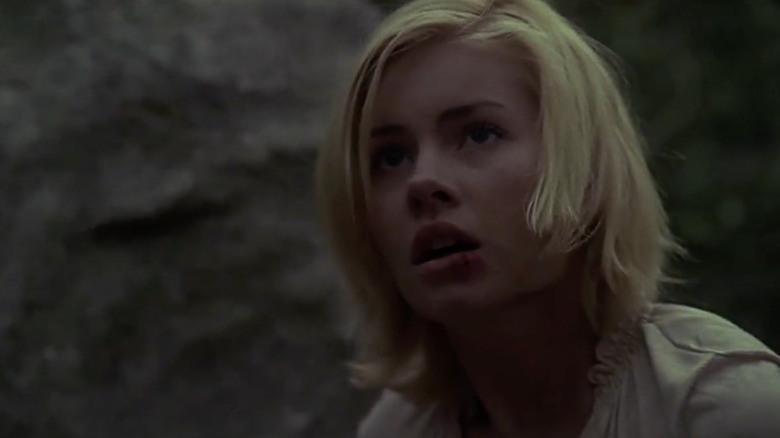
CTU agent extraordinaire Jack Bauer (Kiefer Sutherland) saves the world for the first of several times in the debut season of real-time action drama "24." He also saves his teenage daughter, Kim, multiple times. Played by Elisha Cuthbert, Kim Bauer proved to be a deep, bottomless well of bad decisions that frequently required her to be bailed out of trouble. Widely regarded as one of TV's dumbest characters, Kim easily set a record for the television character to have been kidnapped the greatest number of times — less a three-dimensional human than a plot device necessitating her near-constant rescue. Case in point: The infamous Season 1 scene in which she gets lost in the woods and winds up being confronted by a wild cougar, a low point for the series and for television in general. Even Cuthbert was trepidatious when given the script for the now-infamous scene. "It kind of came across like, what is this?" she told Vulture. "This is sort of insignificant and kind of stupid."
However, suspension of disbelief is off the charts for the 3rd season, when Kim becomes a CTU analyst. "Even though I was his daughter, I couldn't be involved in the action, but they had to write something for me," Cuthbert said of the challenges the writers faced in coming up with storylines for her Kim. "I give them credit for finding ways to keep my character doing stuff."
Coy and Vance Duke — The Dukes of Hazzard
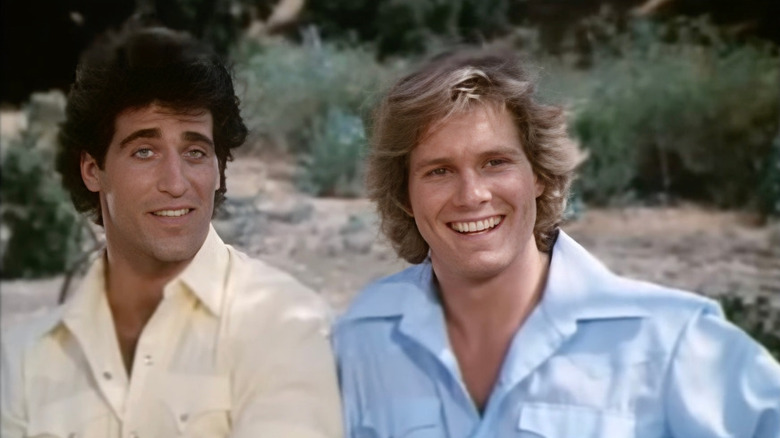
Debuting in 1979, "The Dukes of Hazzard" quickly became one of television's biggest hits. Chronicling the fast-driving adventures of handsome redneck cousins Bo and Luke Duke (John Schneider and Tom Wopat) and their now-problematic Confederate flag-emblazoned Dodge Charger, "The Dukes of Hazzard" became a pop-culture phenom. Indeed, the actors' visages appeared on T-shirts, lunchboxes, and all manner of merchandise.
In 1982, the actors felt they should be paid a salary commensurate with the show's success, as well as receive a cut of the royalties from all that merch that had been flying off shelves. Executives at Warner Bros., however, felt differently and refused to meet the actors' demands. An impasse was met, and Schneider and Wopat walked off the show during the 5th season. In response, the studio held a nationwide casting call for replacements, writing the Duke boys off the show and introducing their long-lost cousins, Coy and Vance (Byron Cherry and Christopher Mayer).
Viewers didn't much cotton to Coy and Vance, feeling they were lame knock-offs of the original characters (a fair assessment, given that producers didn't bother to create new storylines to establish the characters, simply subbing in Coy and Vance in scripts that had already been written for the original actors). Not surprisingly, ratings began to plummet. The following year, a settlement was reached that saw the original stars return while Coy and Vance got the heave-ho. Schneider and Wopat remained until the series' 1985 cancellation.
Dana Brody — Homeland
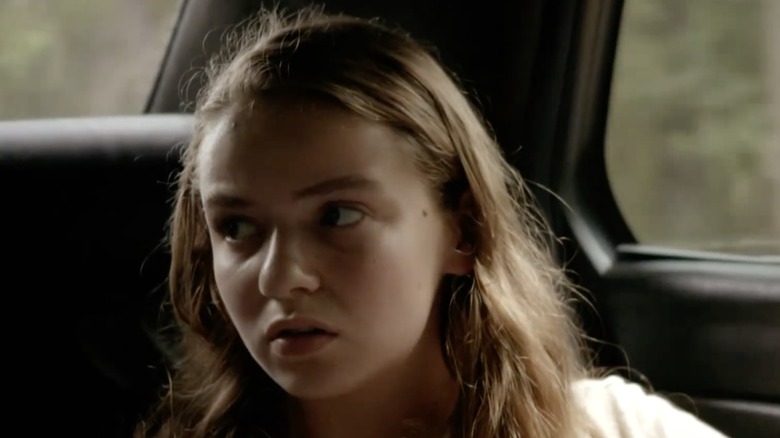
Few fictional television characters have experienced the kind of fan hatred directed at Dana Brody, the angsty teenage daughter of brainwashed war hero Nicholas Brody in "Homeland." As played by Morgan Saylor, Dana is a bundle of teenage stereotypes — a moody, mopey, mumbling mess. Viewers seemed to take delight in hating on the character, flooding social media with complaints about how she was ruining an otherwise great show. "Kill off Dana Brody immediately," read one X post that summed up the general sentiment. Even "Saturday Night Live" took notice, mocking the character's tendency to fiddle with her hands when nervous in a "Homeland" spoof. "'SNL' made a big deal of my hands and my fingers — I mess with my sleeves or something," Saylor said when discussing being the object of fan derision with The Daily Beast. "Which I've never even thought about. But I do do that, playing Dana."
Did the character deserve all that backlash? That's a matter of debate, although if there was any blame to assign, it should have been aimed at the "Homeland" writing staff. Instead, viewers aimed their arrows at Saylor, who took it all in stride. "But characters are not always supposed to be loved," she said. "You could look at most characters and see mixed reactions. I don't know. I don't take it personally. I think it's kind of interesting to see people, like, spending so much time focusing on something like that."
Che Diaz — And Just Like That...
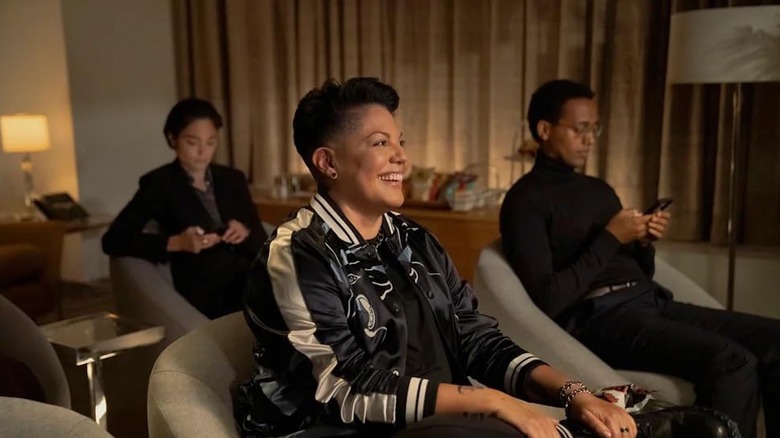
Reviving beloved TV series from the past is tricky business. Sure, sometimes they work — the 2018 "Roseanne" revival delivered ratings that network television hadn't seen in years. But mostly they don't ("Frasier," "Mad About You," "Murphy Brown" — do we really need to go on?). Clearly, there are some old TV shows that should never be rebooted, yet that memo went unnoticed when "Sex and the City" was revived two decades later as "And Just Like That..."
Reviews were decidedly mixed, and there were myriad reasons why some fans disliked the middle-aged exploits of Carrie Bradshaw and her pals. A big one was Che Diaz (played by "Grey's Anatomy" alum Sara Ramirez), a love interest for Miranda (Cynthia Nixon). Not only is the character kind of an arrogant jerk, but Che is positioned as a wildly popular nonbinary comedian and podcaster — leading to off-the-charts cognitive dissonance because the show's writers didn't give her anything funny to say. The nadir arrived in a scene in which Che roasted Miranda in a comedy club, greeted with howls of laughter despite her laugh-free rant being so painfully unfunny that viewers felt gaslit.
Star/producer Sarah Jessica Parker was oblivious to the social media hatred hurled at the character, telling The Guardian she was "shocked" to learn how disliked Che was. "A friend of mine brought it up to me, and it's like: 'What are you talking about?'" she recalled. "And he said: 'Yeah, there's all this conversation.'"
Nikki and Paolo — Lost
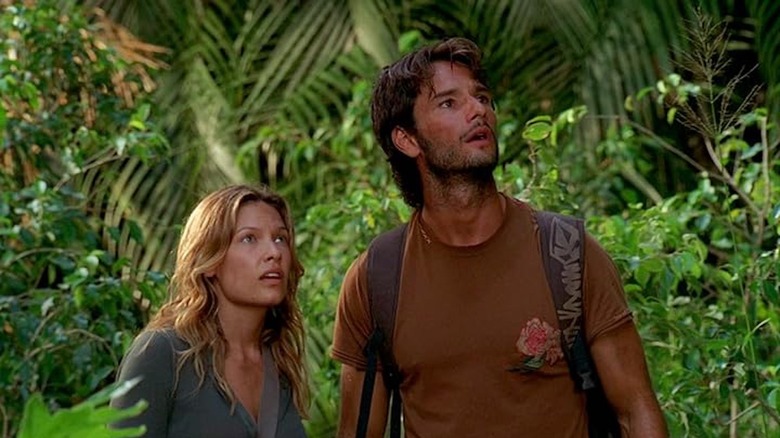
After the ending of "Lost" was finally explained, amid the smoke monsters, polar bears, and assorted weirdness, one episode stood head and shoulders above all others when it came to fan backlash: "Exposé," a 3rd-season episode focusing on two minor characters named Nikki and Paulo. Introduced at the beginning of that season, the pair (played by Kiele Sanchez and Rodrigo Santoro) were survivors of the plane crash that occurred in the pilot episode. But viewers found it more than a little bizarre that it had taken a full two seasons for anyone to notice them. Fans found it even stranger that the show's writers took the trouble to shift focus onto the characters but then gave them absolutely nothing to do — essentially creating glorified extras who added nothing to the over-arching, intertwining, and often confusing storylines.
Producers became aware of fans griping and brought it all to an end in "Exposé," an episode focused entirely on Nikki and Paulo that was seemingly created with the sole purpose of killing them off. In the end, both of them are poisoned by a rare spider venom, leaving them completely paralyzed and making them appear dead even though they're actually still alive. Their fate is a gruesome one. Discovering what he assumes to be their lifeless corpses, Hurley (Jorge Garcia) does what he believes to be the decent thing: He grabs a shovel and starts digging, not realizing he's burying them alive.
Cousin Pam — The Cosby Show
There's much about "The Cosby Show" that's become problematic in recent years, what with television's most beloved sitcom dad sent to prison amid decades-spanning allegations of drugging and sexually assaulting women. Bill Cosby's tainted legacy aside, his sitcom maintains a legacy of its own. The ratings blockbuster brought Black culture to the mainstream while shattering stereotypes that permeated earlier Black-led sitcoms such as "What's Happening!!" or "Good Times."
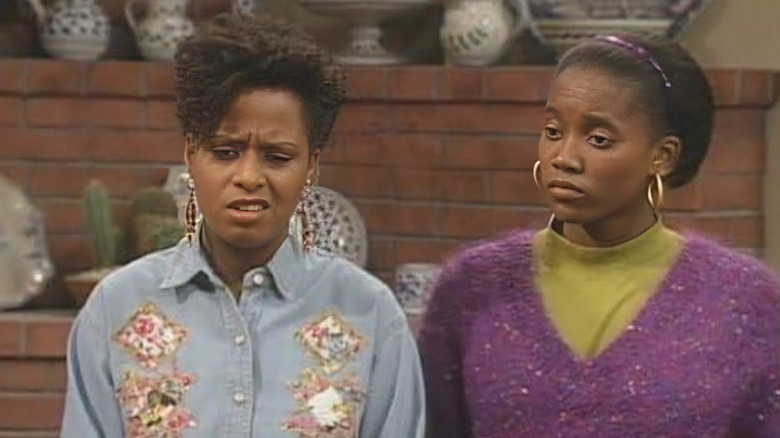
That said, by its 7th season, "The Cosby Show" had grown stale as the Huxtable kids grew up. Eager to return to the teen storylines that had once been the show's bread and butter, producers introduced a new character: Pam Tucker (played by Erika Alexander). The streetwise teenage cousin of Clair Huxtable (Phylicia Rashad) is sent to live with the Huxtables when her mom moves to California to take care of her ailing mother.
Pam's storylines soon dominated the focus while the Huxtable kids faded into the background, creating a tone shift that led to heavy, preachy storylines focusing on the challenges she encountered at her urban high school in Brooklyn. It essentially revived many of the very same stereotypes that the show had so deliberately obliterated in earlier seasons. For viewers, Pam felt like a textbook example of "Cousin Oliver syndrome," an add-on character with a tenuous connection to the Huxtables, created because the series' writers had run out of ideas. "The Cosby Show" limped to the finish line one season later.
Mary Watson — Sherlock
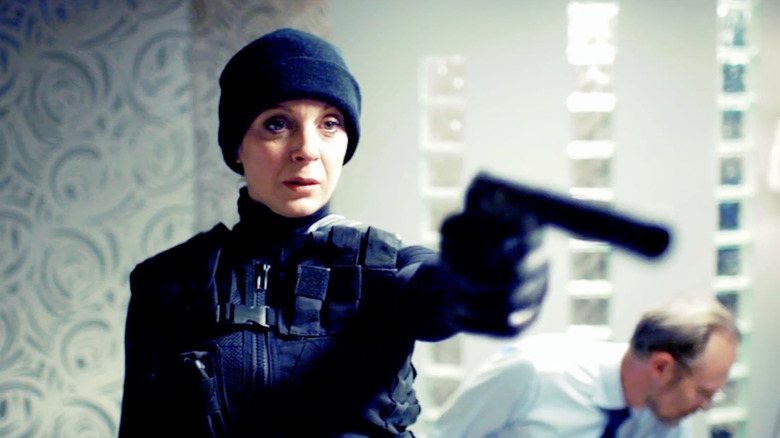
With Benedict Cumberbatch as super-sleuth Sherlock Holmes and Martin Freeman as Dr. Watson, BBC's modern take on literature's most iconic detective led "Sherlock" to bask in acclaim from both critics and fans. Or at least that was the case until the third season, when Mary Morstan (Freeman's then-real-life wife Amanda Abbington) was introduced as Watson's love interest and then wife. Fans complained that Mary changed the Watson-Sherlock dynamic. "People were quite angry about it," Abbington recalled when appearing on the "Out to Lunch with Jay Rayner" podcast (via The Independent). "Die-hard Sherlock-Watson fans were very upset that this new element had come in and she was the third wheel. They didn't like that ..."
That criticism escalated further when, in the 3rd season's finale, Mary was revealed to be a former assassin, an elite covert spy who'd successfully hidden her true identity from both her oblivious husband and, incredulously, the world's greatest detective. That revelation led to an abrupt tone shift, transforming what had been a nuanced whodunit into a third-rate "James Bond" knockoff. When Mary was killed off in the Season 4 opener, it was a mixed blessing for those who loathed the character. While they were undoubtedly glad to see her go (sacrificing herself by taking a bullet meant for Sherlock), the end result was a season-long rift between Sherlock and Watson that once again messed with the fundamental relationship that was at the heart of the show.